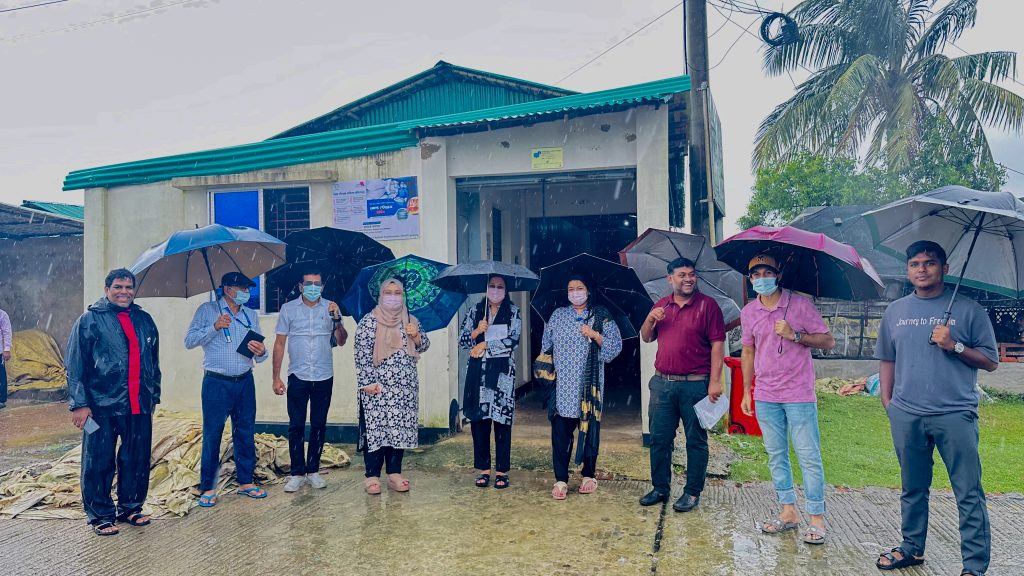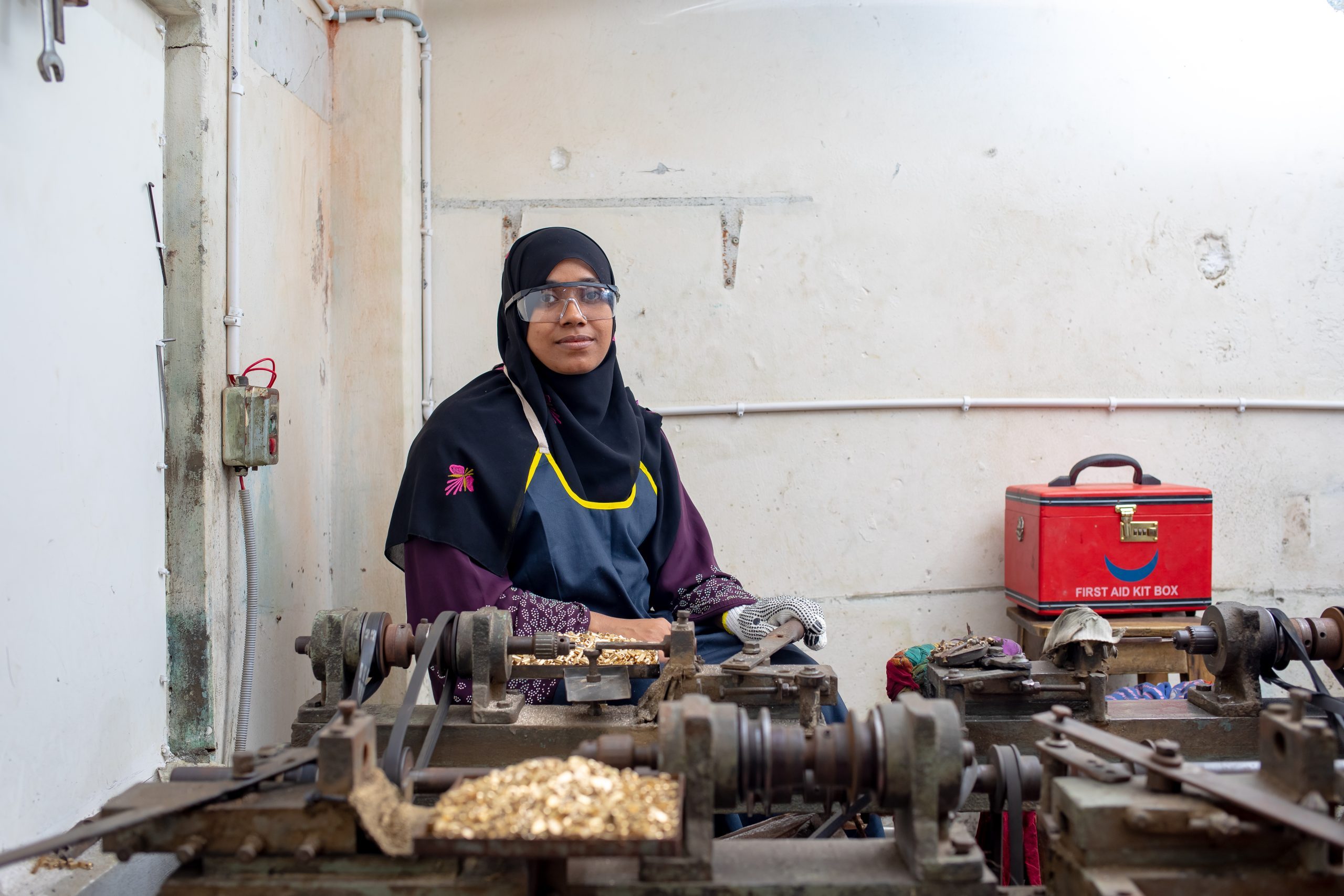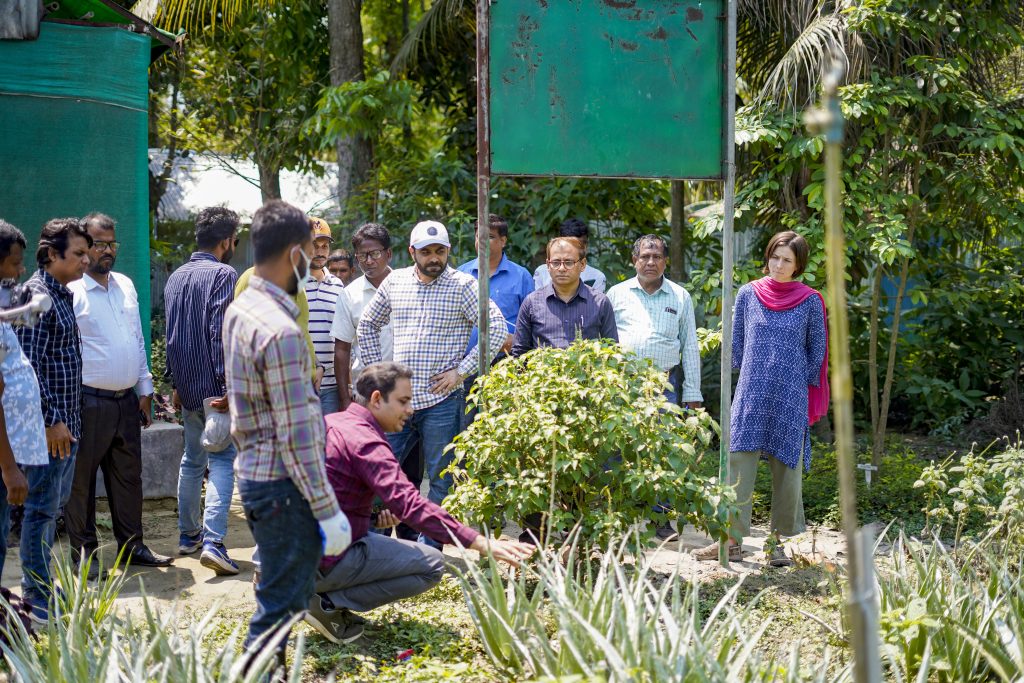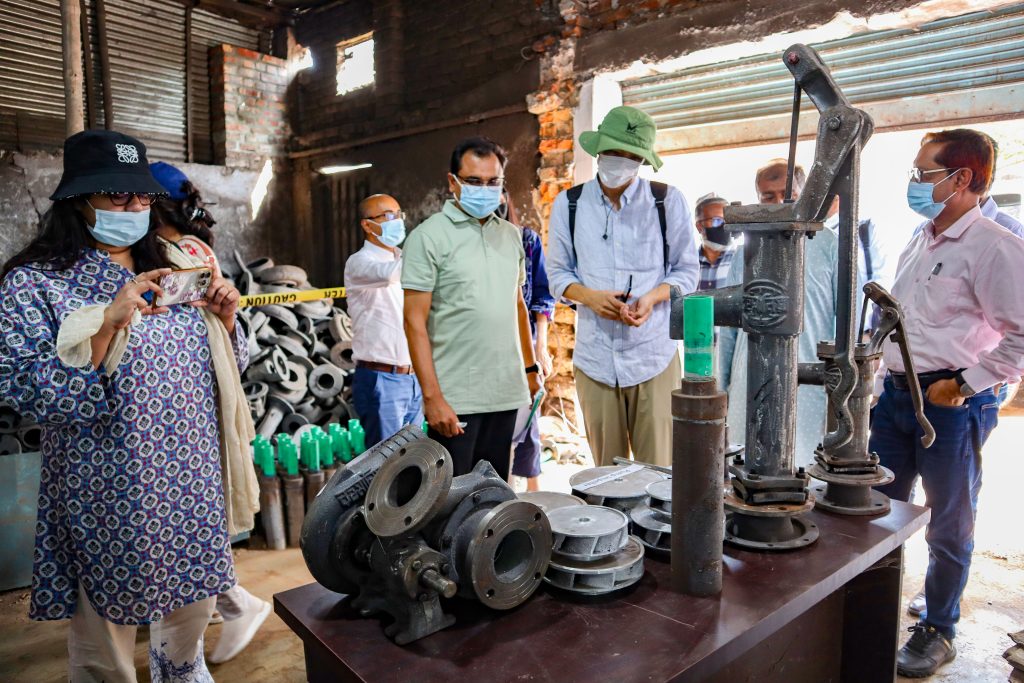

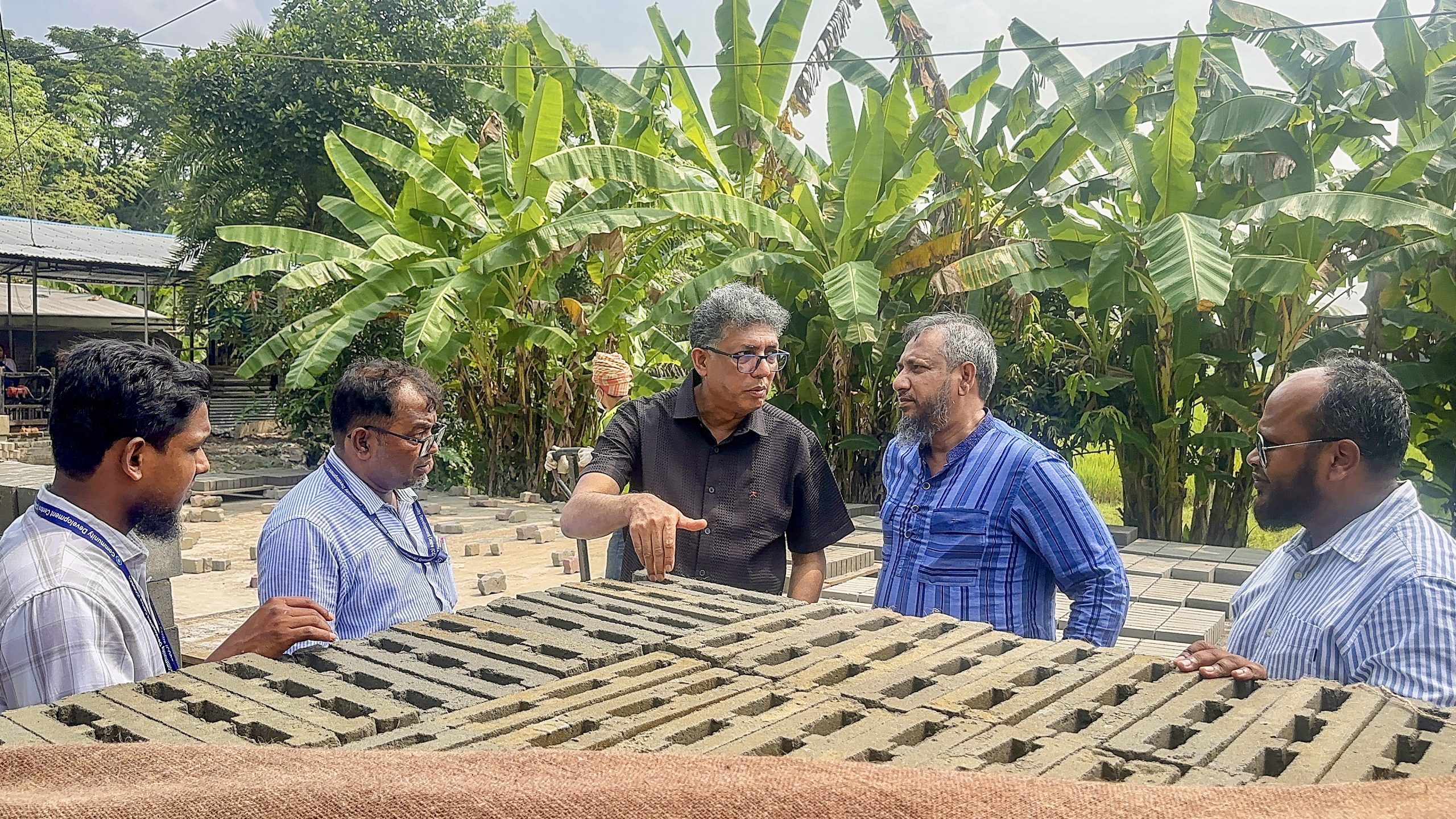
World Bank and PKSF representatives inspect an environment-friendly block manufacturing facility under the SMART project in Khulna and Bagerhat.
News & Events

WB-PKSF delegation visits environment-friendly construction materials sub-projects in Khulna and Bagerhat

A delegation from the World Bank and PKSF visited three block and paving tile manufacturing facilities in Khulna and Bagerhat on 11 October 2026 to review the progress of the ‘Environment-friendly Construction Materials’ sub-sector activities and identify opportunities to improve environmental performance and market access.

Implemented by CODEC, the sub-project promotes environment-friendly construction materials and strengthens environmental and social management in the manufacturing sector.
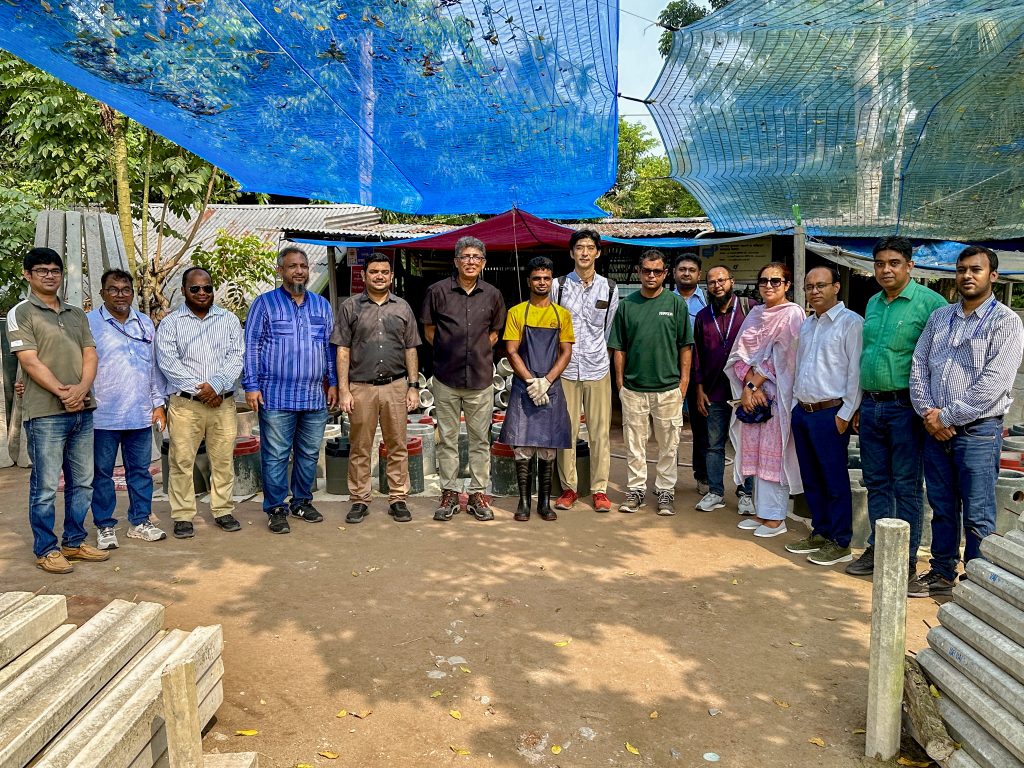
World Bank environmental specialist examines environmental management practices at a block and paving tile manufacturing facility under the SMART project.

The World Bank delegation included Keisuke Iyadomy, Task Team Leader; SM Zulkernine, Senior Environmental Specialist; Md Shariful Islam, Social Development Consultant; and Sharlin Hossain, Environmental Specialist. They were accompanied by SMART Project Coordinator A. K. M. Zahirul Haque, other PKSF representatives, and officials from CODEC, including Quazi Wafiq Alam, Director of the Programme and Knowledge Management Department, and focal person Sheikh Rezwan Hasan.

During the visits, the delegation discussed environmental and social management, waste recycling, production efficiency, occupational health and safety (OHS), and the Grievance Redress Mechanism (GRM).

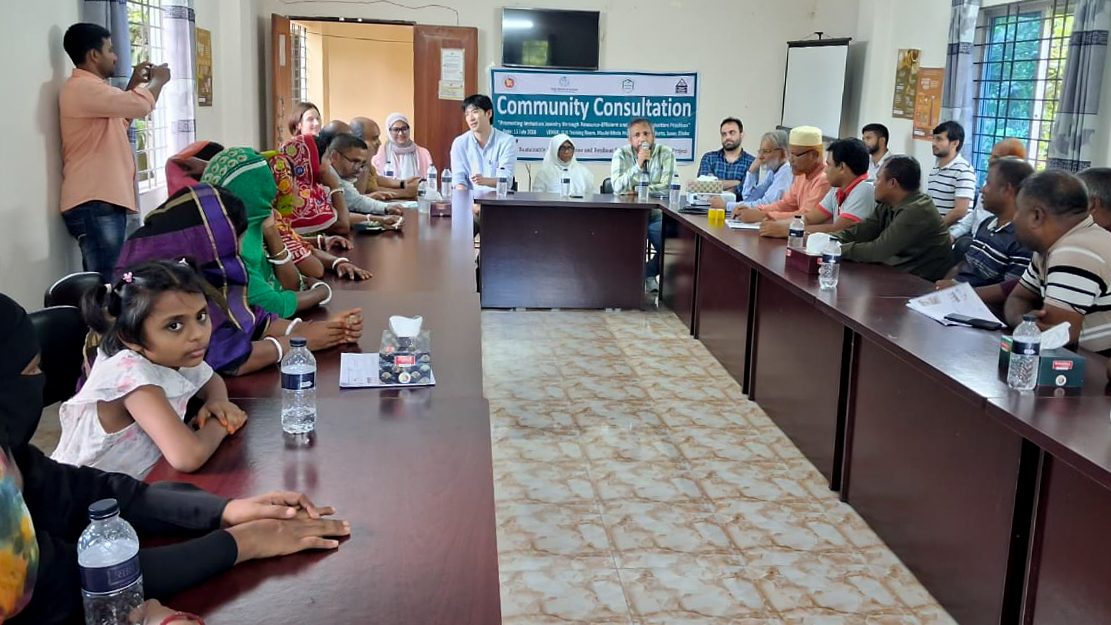
Following the factory visits, a community consultation meeting was held with 15 entrepreneurs, a Senior Assistant Engineer from the Local Government Engineering Department (LGED), Bagerhat, and environmental club representatives.

Participants discussed the potential of concrete blocks as an alternative to conventional clay bricks, market expansion opportunities, water quality challenges, and improvements to factory environments. The discussion also highlighted the need for greater coordination between entrepreneurs and environmental clubs.
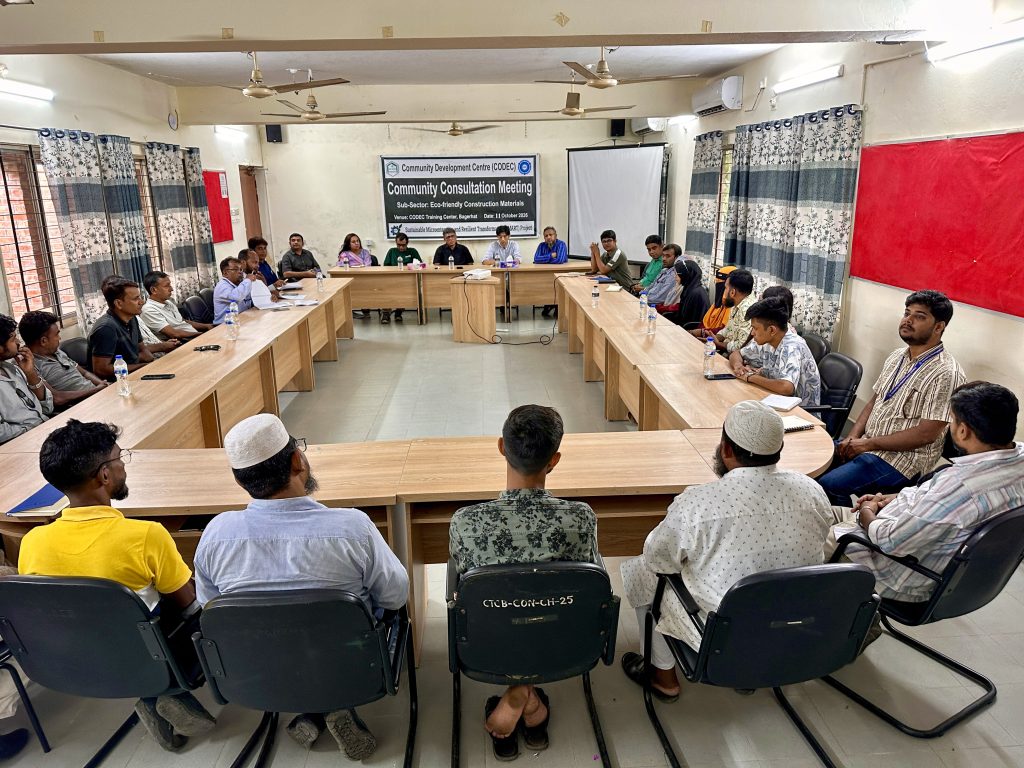
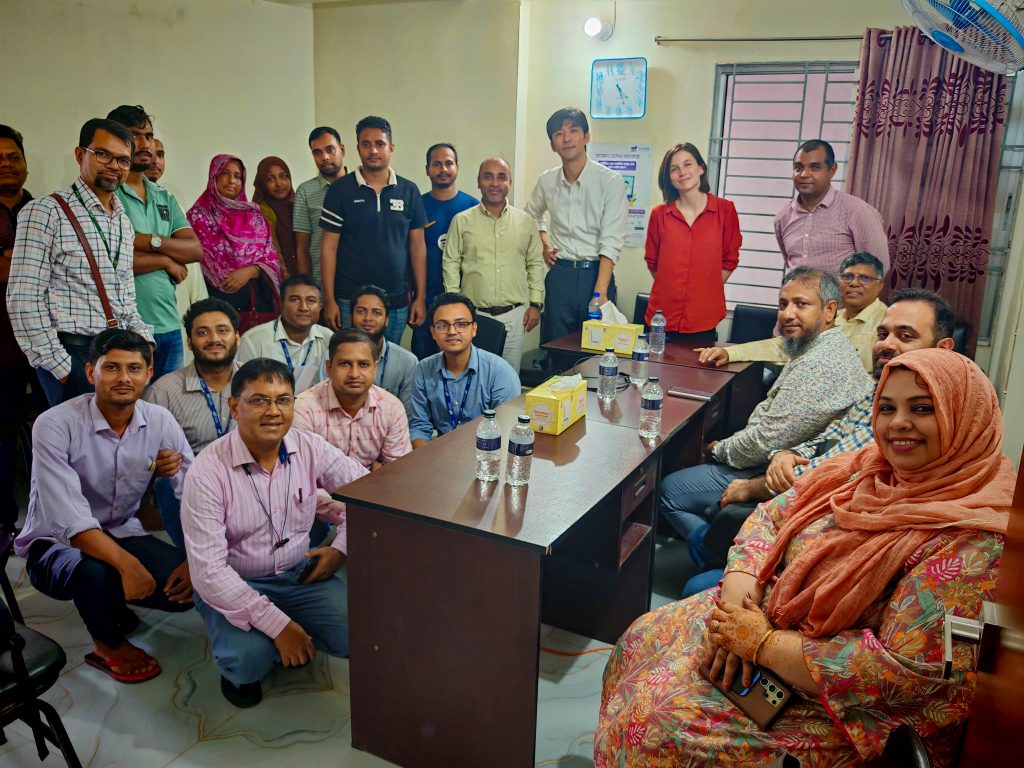
World Bank, PKSF, CODEC, and local stakeholders participate in a community consultation meeting on environment-friendly construction materials.

To promote wider adoption of environment-friendly blocks, the delegation recommended public awareness campaigns, expanded training for masons, and stronger engagement with stakeholders to increase the use of blocks in public and private construction projects.

Through the SMART project, CODEC provides entrepreneurs with training, technical assistance, improved production methods, product quality testing, learning visits, and marketing support. These interventions aim to improve resource efficiency, strengthen environmental management, and promote the sustainable growth of Bangladesh’s construction materials sector.
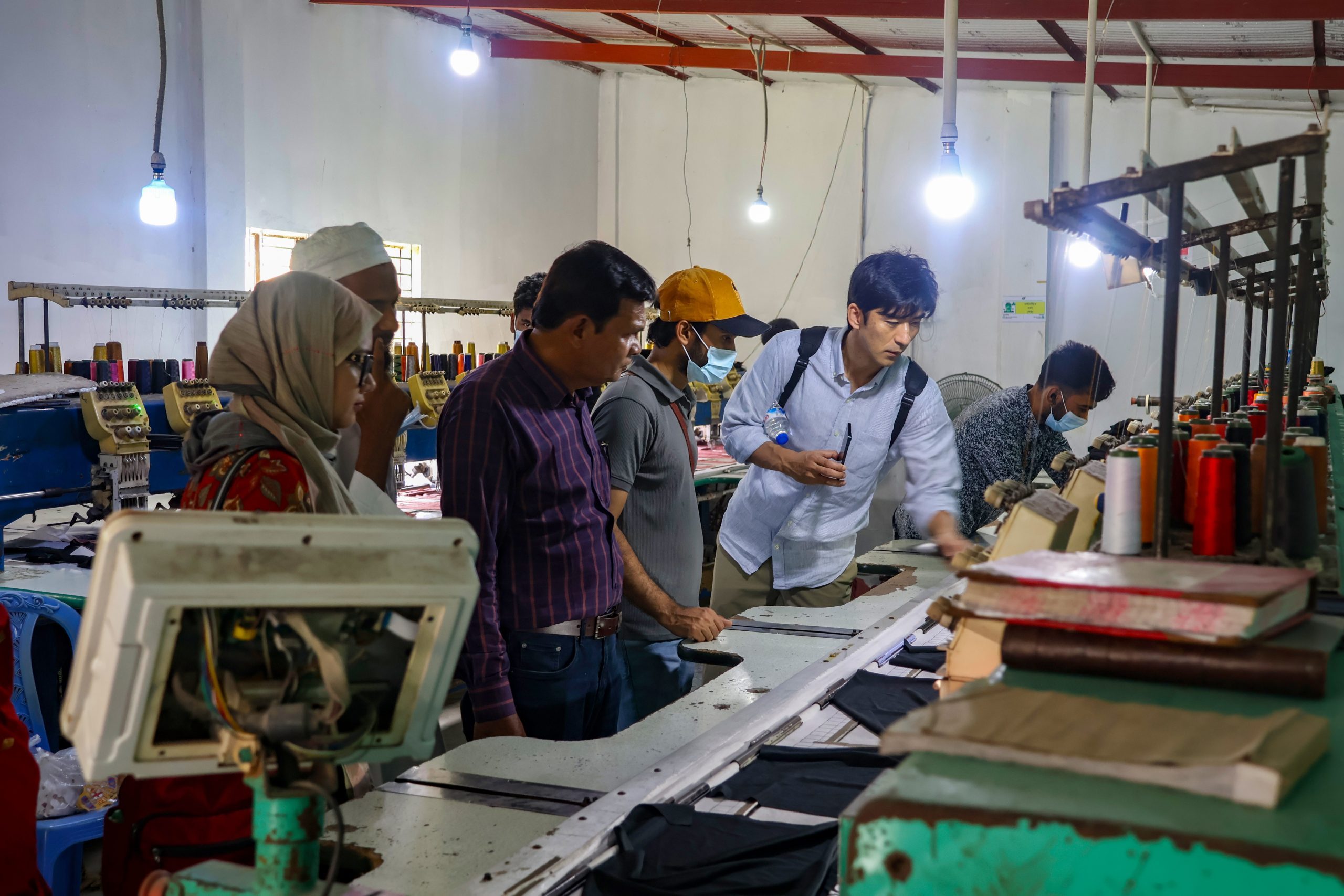
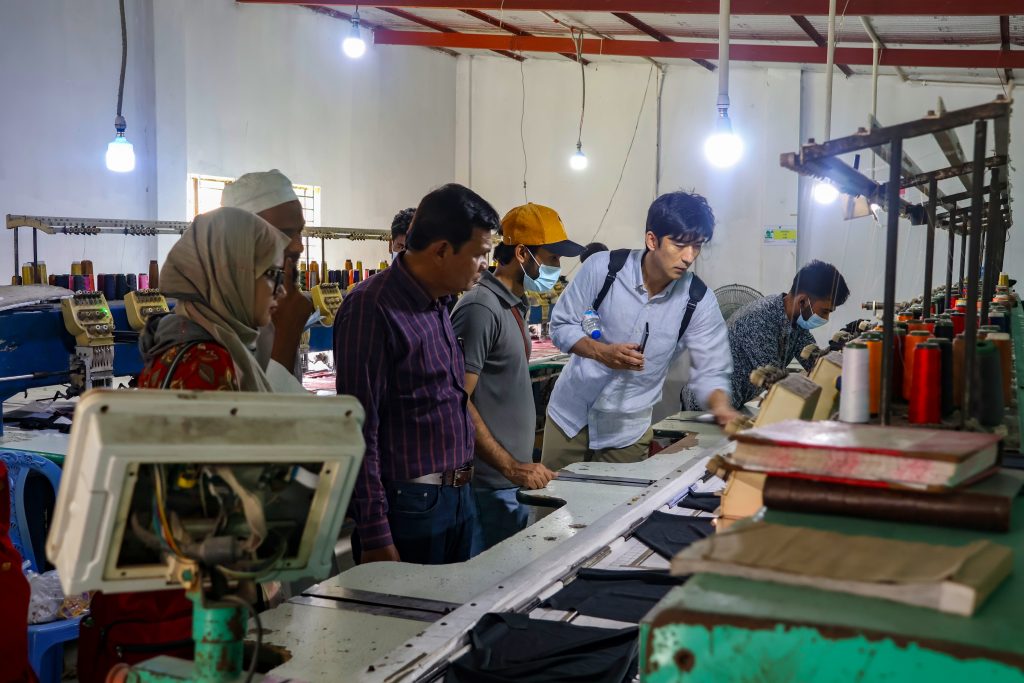
World Bank and PKSF delegation members inspect production activities at a mini-garment factory in Gogannagar, Narayanganj.
News & Events

WB-PKSF delegation reviews Mini-Garments sub-project in Narayanganj

Gogannagar, Narayanganj, on 1 October 2026 to review the implementation progress, achievements and ongoing activities of the ‘Promoting Sustainable Mini-garments through RECP Practices’ sub-project implemented by Palli Mongal Karmosuchi (PMK).

The delegation first visited the PMK Nitaiganj branch office, where a presentation on the progress and implementation of the sub-project was delivered. The team then visited five factories in the Gogannagar mini-garments cluster: Mayer Doya Hosiery, Bhai Bhai Embroidery, SD Hosiery and Garments, Bismillah Hosiery and Bismillah Garments.

The field visit focused on assessing the implementation of project-supported activities and understanding changes in productivity, efficiency, workforce skills, working conditions and workplace safety. The delegation also reviewed the use of modern technologies and production methods in the mini-garments sector, while identifying achievements, challenges and opportunities for further improvement.

During the factory visits, the delegation observed different sections of the production facilities and the various stages of the manufacturing process. Team members also spoke directly with factory owners, managers and workers to understand how project-supported initiatives were being implemented in practice.

Particular attention was given to production processes, workers’ practices, skills development, the use of modern technologies and equipment, working conditions, occupational health and safety, productivity enhancement, quality control, waste management and the effective use of workers’ skills.

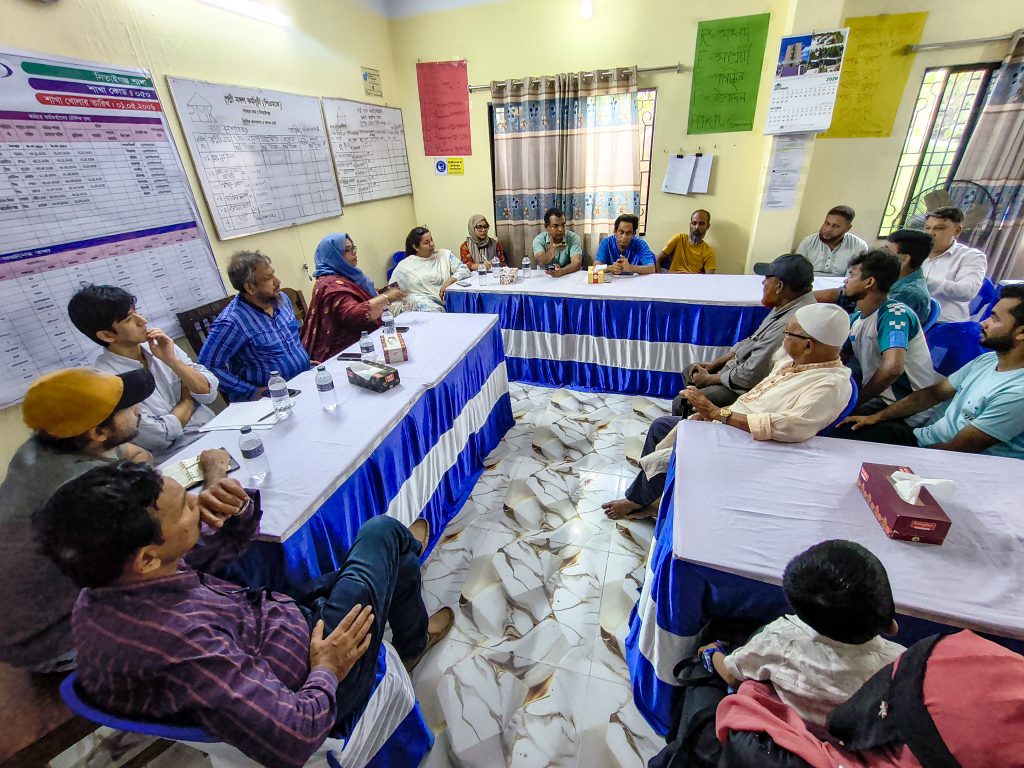
A consultation meeting was subsequently held with factory owners and workers in the presence of senior PMK officials and sub-project personnel. Discussions covered the practical impact of project-supported loan assistance, training and other interventions. Entrepreneurs shared their experiences in applying newly acquired skills and described the positive effects on their production processes, while the delegation sought further information about project implementation and outcomes.

The visit identified several positive developments at the enterprise level. Skills development initiatives were found to be contributing to improved workforce capacity, while improved work practices, skilled personnel and modern technology were creating opportunities to enhance productivity. The use of modern machinery was also observed to support greater efficiency and improved production quality. Attention to the working environment and worker safety, alongside strengthened management capacity, was identified as another positive aspect of the intervention.

World Bank and PKSF delegation members inspect production activities at a mini-garment factory in Gogannagar, Narayanganj.

The delegation and project team also identified areas requiring continued attention to make the interventions more effective and sustainable. These include strengthening regular and needs-based training, expanding the use of modern technologies and production methods, regularly monitoring workplace health and safety, establishing effective productivity improvement plans, assessing the application and outcomes of workers’ training, documenting project achievements, and exploring opportunities to replicate successful initiatives in other suitable factories.

The visit further recommended continued monitoring of project activities, sustained investment in skills development, the introduction of results-based performance indicators, stronger workplace safety measures, greater adoption of modern technologies, systematic documentation of successful interventions, regular collection of beneficiary feedback, and periodic assessment and reporting of project results. The report also emphasized the importance of appropriately implementing recommendations from PKSF and the World Bank.

The field visit concluded with a community consultation involving local entrepreneurs and other stakeholders, providing an opportunity to capture their experiences and views. The visit highlighted the progress being made under the SMART sub-project and the potential for further improvements in sustainable microenterprise development through skills enhancement, modern production technologies, improved productivity and safer working environments.

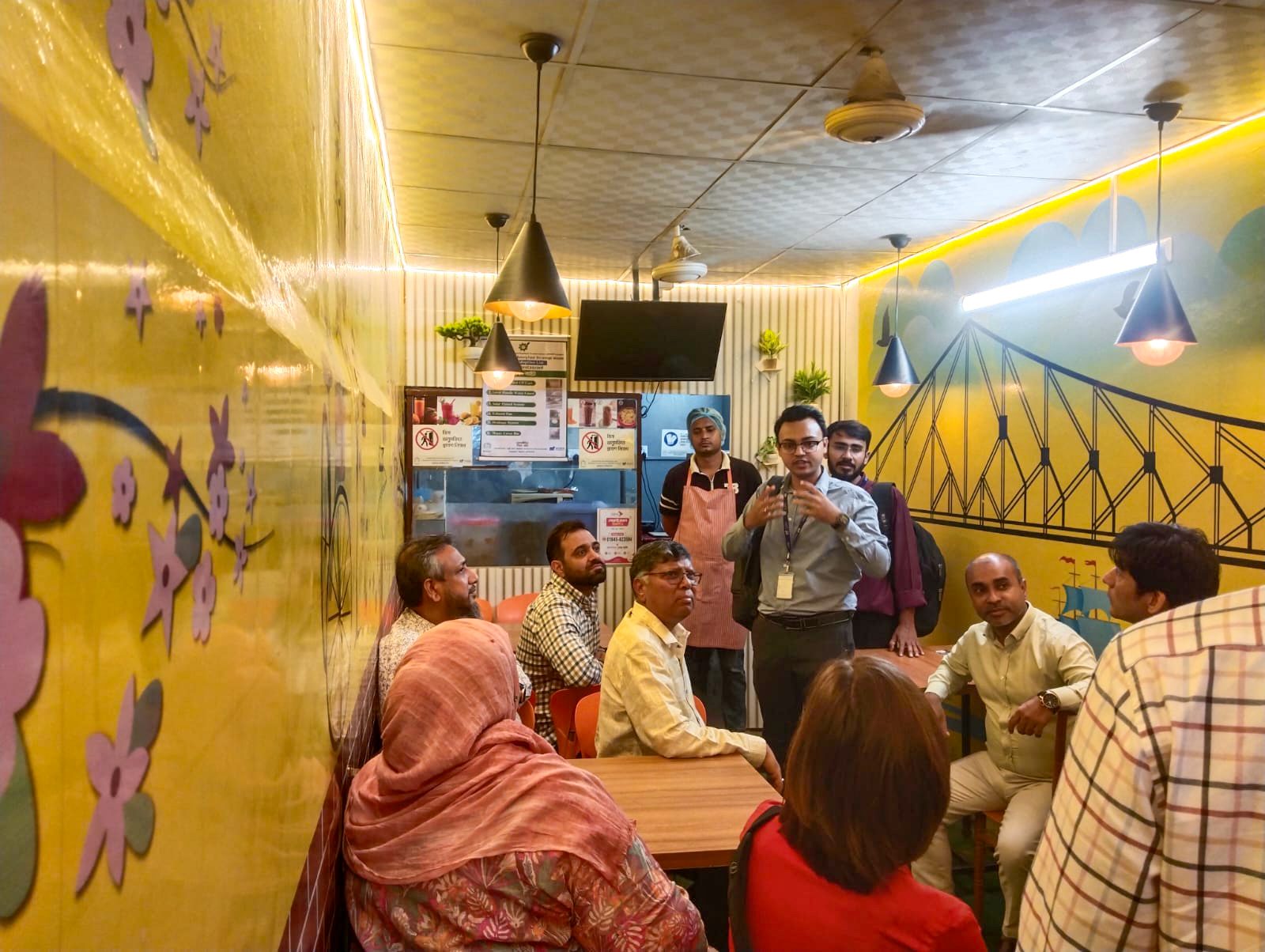
World Bank and PKSF delegation members visit a SMART-supported food business in Badda, Dhaka.
News & Events

WB-PKSF delegation visits street food activities of SMART project in Dhaka

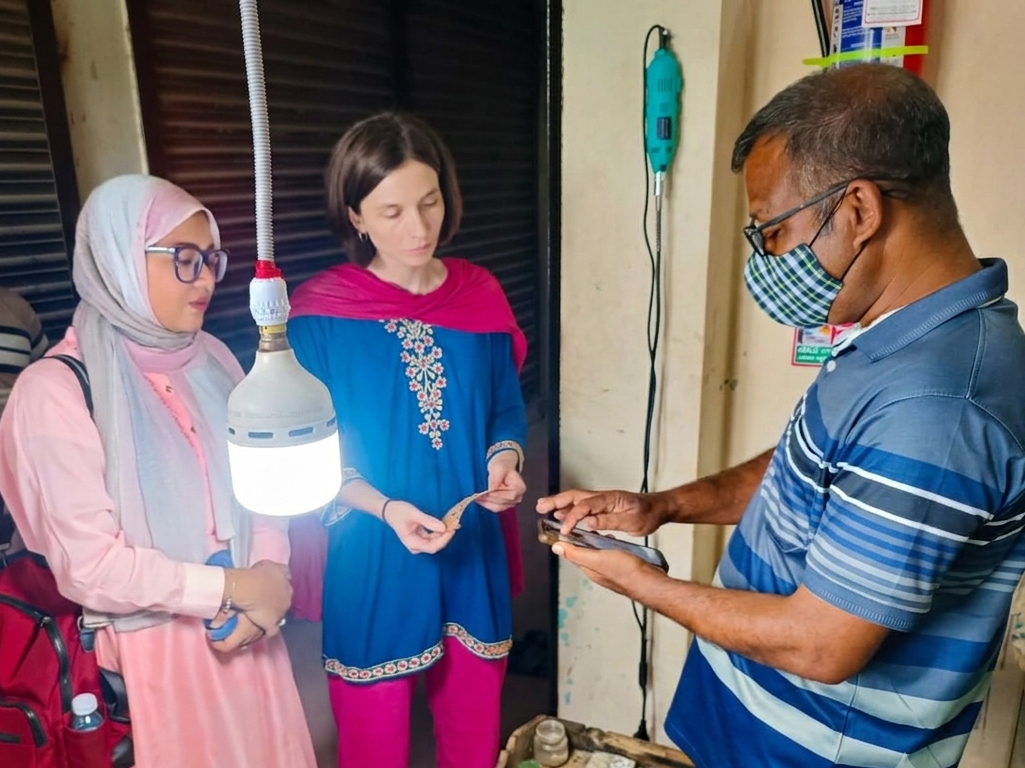
A joint delegation from the World Bank and PKSF visited microenterprises in Badda, Dhaka, supported under the SMART project, on 31 August 2026, to observe the adoption of Resource Efficient and Cleaner Production (RECP) practices in the restaurant, street food and bakery sectors.

Implemented by SAJIDA Foundation under the SMART project, the sub-project helps small food businesses improve resource efficiency, hygiene, food safety and workplace conditions through financing, grants and practical training.

During the visit, the delegation observed a range of RECP measures adopted by participating enterprises, including solar energy, energy-efficient cooking equipment and lighting, improved ventilation, water-saving arrangements, safer waste handling, and enhanced hygiene and occupational safety practices. These measures are designed to reduce the consumption of energy, water and raw materials, lower operating costs, and minimize the environmental footprint of small food businesses.

World Bank, PKSF and SAJIDA Foundation officials discuss RECP practices with an entrepreneur at a SMART-supported food business.

The delegation also interacted with entrepreneurs to learn about their experiences in implementing the practices and the changes these interventions have brought to their day-to-day operations. The discussions highlighted the importance of combining financial support with practical guidance to help small businesses adopt cleaner, safer, and more resource-efficient production methods.

The World Bank delegation comprised Keisuke Iyadomi, Senior Climate Change Specialist; Hosna Ferdous Sumi, Senior Private Sector Specialist, Finance, Competitiveness and Investment; Shariful Islam, Senior Social Development Specialist; Sayed Mujtaba Shobair, Environmental Specialist; and Jasmin Kraehenbuehl, Climate Finance and Carbon Market Analyst.

Representing PKSF were A.K.M. Zahirul Haque, Assistant General Manager, CERD and Project Coordinator of the SMART project; and Abu Hayad Md. Rahat Hossain, Manager, CERD and Deputy Project Coordinator of the SMART project. Md. Fazlul Hoque, Deputy Chief Executive Officer of SAJIDA Foundation, also accompanied the delegation.

The delegation appreciated the visible progress in implementing RECP measures at the enterprise level and identified opportunities to expand technology adoption and extend support to more micro and small food businesses. The visit also underscored the importance of strengthening environmental management, food safety, and occupational health and safety practices to improve business sustainability and resilience.

World Bank delegation and officials from PKSF and Coast Foundation attend a progress review meeting on the SMART dry fish processing sub-project in Cox’s Bazar.
News & Events

WB delegation conducts HIRA assessment of dry fish processing sub-project in Cox’s Bazar

A World Bank delegation conducted a three-day field visit to Cox’s Bazar from 17 to 19 August 2026 to review the overall progress, environmental and social commitments, Resource Efficient and Cleaner Production (RECP) practices, and field-level activities of the SMART project’s dry fish processing sub-project implemented by Coast Foundation.

The delegation also conducted a Hazard Identification and Risk Assessment (HIRA) to identify potential occupational, environmental and social risks associated with dry fish processing activities and assess measures for their prevention and mitigation.

A sub-project progress review meeting was held at the Coast Foundation’s Cox’s Bazar Center on 17 August. The meeting was attended by Sharlin Hossain, Environmental Specialist, World Bank; Samira Chowdhury, Social Development Specialist, World Bank; and Zahin Takrim Hossain, Programme Assistant, World Bank, along with senior officials from PKSF and Coast Foundation.

During the meeting, the progress of the sub-project was presented, followed by a detailed review of the Environmental and Social Commitment Plan (ESCP) and the status of its implementation. Discussions focused particularly on gender inclusion, occupational health and safety (OHS), and the adoption of climate-resilient RECP technologies and practices in the dry fish processing sector. The World Bank delegation provided observations and guidance on strengthening environmental and social safeguards and ensuring compliance with the project’s commitments.

World Bank, PKSF and Coast Foundation officials participate in a Hazard Identification and Risk Assessment session for the dry fish processing sub-project.

A dedicated session on HIRA was also held, where potential hazards associated with the subproject activities were identified and discussed. The participants reviewed possible risks across different stages of the dry fish processing value chain and discussed appropriate preventive and mitigation measures.

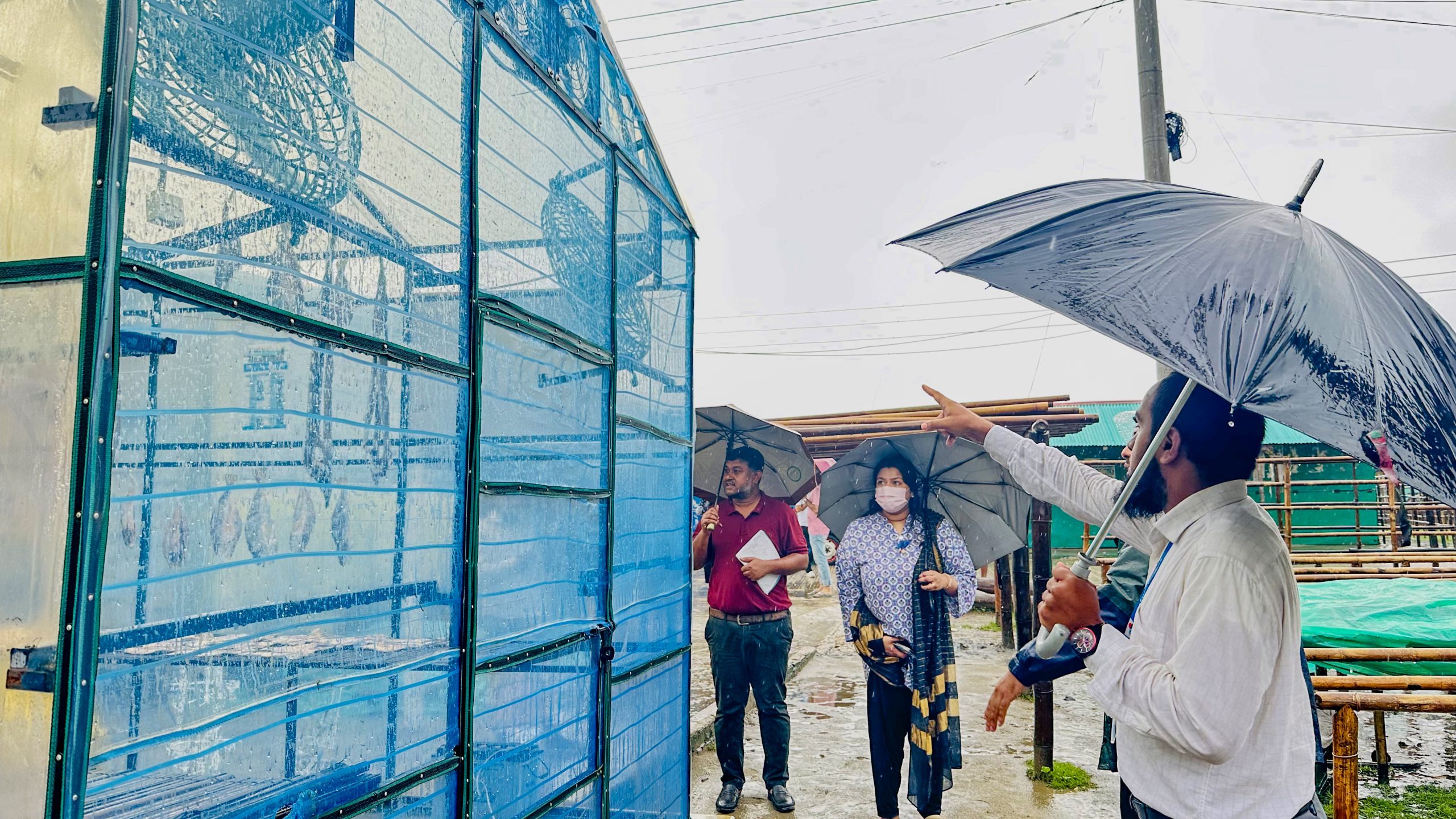
The delegation also visited the Nazirartek dry fish processing area in Cox’s Bazar. The team inspected several key facilities and technologies introduced or supported under the sub-project, including a container-type cold storage facility, dry fish waste collection and processing center, raw fish washing floor and soak pit, solar fish dryer technology, and a plastic recycling unit.

During the field visit, the delegation interacted with entrepreneurs and workers to understand operational practices, identify potential hazards, and assess the effectiveness of existing risk mitigation measures. Particular attention was given to occupational health and safety, environmental management, resource efficiency, waste management, and the practical application of RECP technologies.

The team then held a community consultation meeting with local entrepreneurs, elected representatives, women workers, and other stakeholders. Participants highlighted several issues requiring further attention, including the renovation of the road in Samitirpara, establishment of a primary healthcare facility for female workers, construction of adequate public toilets for women workers, and greater opportunities for developing the dry fish sector as an export-oriented industry through access to modern markets.

The field visit concluded with an emphasis on strengthening safeguards across the entire dry fish value chain, from fish harvesting and processing to final consumption. The delegation stressed the importance of keeping all SMART-supported activities free from child labor, strengthening occupational health and safety measures, ensuring a safe and appropriate working environment for women, and implementing adequate preventive measures against identified hazards and risks throughout the value chain.

Shabiha Akter Pinky stands in her electric switch and socket manufacturing workshop in Kadamtoli, Dhaka, with a rooftop solar panel installation and workers assembling products in the background.
Stories

The switch that changed everything in Pinky’s workshop

In a rented 550-square-foot workshop tucked into South Donia, Kadamtoli, the steady hum of machines making electric switches and socket connectors used to compete with something else: the anxiety of rising power bills and the disruption of frequent load-shedding. Today, that hum is powered increasingly by sunlight.

Shabiha Akter Pinky, 31, runs Aual Electric Product, a small manufacturing enterprise that employs six workers, two men and four women, producing switches and socket connectors for the local market. Like many microentrepreneurs in Bangladesh’s metal products sub-sector, Pinky built her business the hard way, growing it into an operation with a total investment of BDT 25 lakh and dependable profits. But growth came with a cost: heavy dependence on grid electricity, mounting energy bills, and the vulnerability that comes with unpredictable power supply.

That began to change when Pinky, supported by ‘BASTOB – Initiative for Peoples Self Development’ under the SMART project, decided to adopt Resource-Efficient and Cleaner Production (RECP) practices at her factory.

Shabiha Akter Pinky stands in her electric switch and socket manufacturing workshop in Kadamtoli, Dhaka, with a rooftop solar panel installation and workers assembling products in the background.

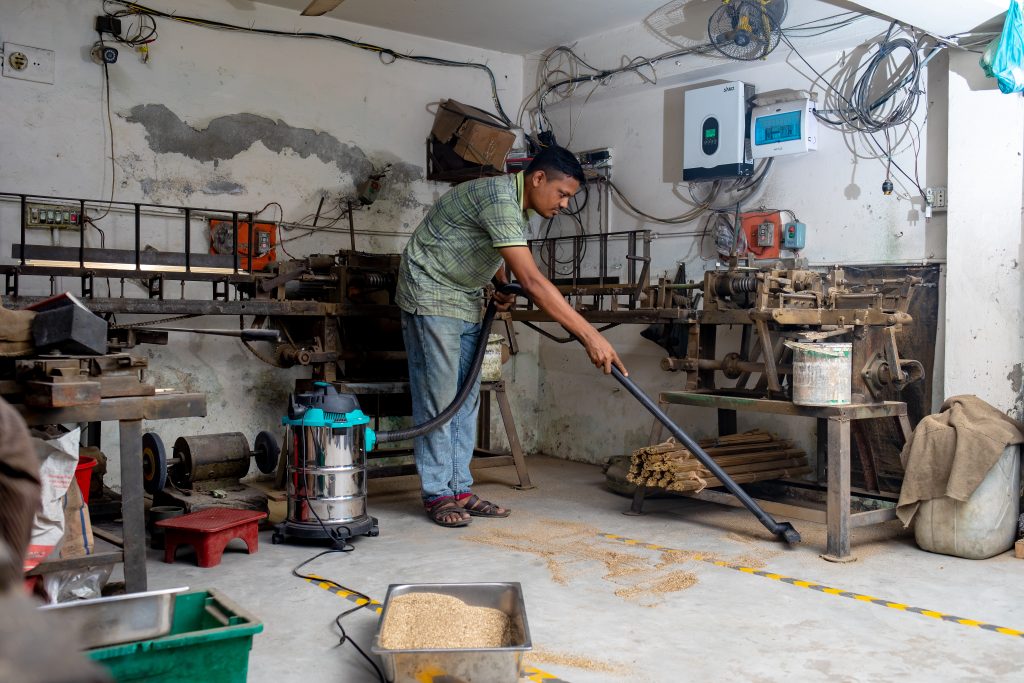
With a BDT 20,000 RECP grant and a first-time loan of BDT 8 lakh, she installed a solar power system to run her lights, fans, water pump and equipment; introduced proper waste storage for metal dust through a dust collector; and added an exhaust fan to improve air circulation on the factory floor.

“After installing solar panel, I don’t use electricity from the national grid during the entire daylight hours. As a result, my monthly electricity bill has been reduced. When other factories are closed due to load shedding in the area, work continues on a small scale in my factory.”

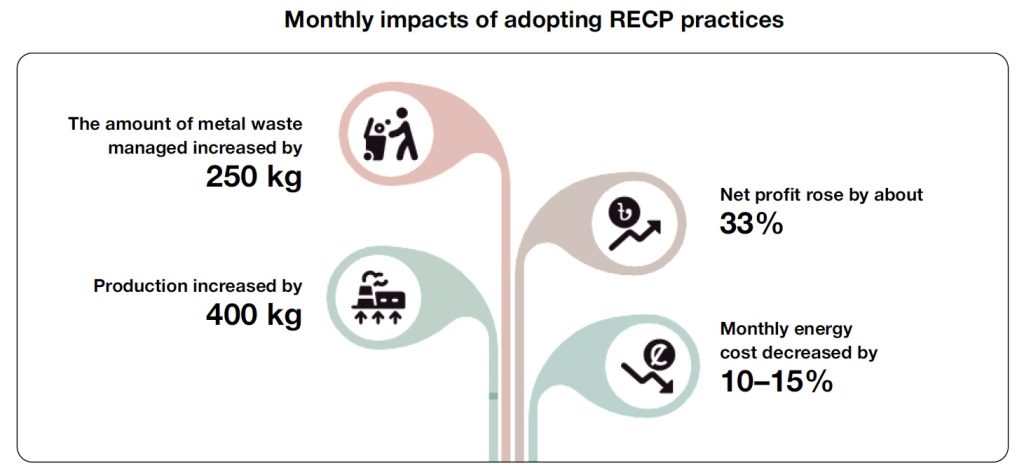
The numbers back up her experience. Since adopting RECP practices, Pinky’s production has climbed from 1,800 kg to 2,200 kg, while her energy costs have dropped by 10 to 15 percent: from BDT 22,000–25,000 to BDT 20,000–22,000 per month. Her net profit has grown from BDT 5–6 lakh to BDT 7–8 lakh, and rather than discarding metal waste, she now collects and sells roughly 1,050 kg of it, up from 800 kg previously left unmanaged.

The changes extend beyond the balance sheet. With solar power now running lights, fans and even a CCTV camera, and with the dust collector keeping the workshop cleaner, Pinky also invested in two split air conditioners to improve conditions for her staff.

The effect on morale has been tangible. “We have a nice working environment in the factory. So, we are encouraged to work more in this comfortable environment in the heat, and the working spirit has also increased,” says one of the factory’s workers.

Pinky’s transformation has not gone unnoticed in her community. Other micro-entrepreneurs, curious about the advantages and disadvantages of going solar, have visited her factory to see the system for themselves — and she has become an informal advocate, encouraging her neighbors to make the switch to cut their own electricity costs.

She has also linked her business with the Bangladesh Electrical Merchandise Manufacturers Association (BEMMA) to expand her market reach.

Looking ahead, Pinky wants to grow further: expanding into new territories, strengthening her product branding to reach more buyers, and building her capacity in e-commerce-based marketing. With continued support, she is confident her cleaner, more efficient factory can become an even bigger source of livelihoods in her community.

Representatives from the World Bank and PKSF's SMART Project Management Unit visited the Imitation Jewelry sub-project, implemented by Social Upliftment Society (SUS) in Savar, on 15 July 2026 to review its implementation progress.
News & Events

World Bank team visits Imitation Jewelry microenterprises in Savar

Representatives from the World Bank and PKSF’s SMART Project Management Unit visited the Imitation Jewelry sub-project, implemented by Social Upliftment Society (SUS) in Savar, on 15 July 2026 to review its implementation progress.

The delegation toured several microenterprises to assess the adoption of Occupational Health and Safety (OHS) measures introduced under the SMART project. On-site, a Hazard Identification and Risk Assessment (HIRA) was also conducted to identify workplace risks and recommend appropriate mitigation measures.

Participants discussed the positive changes brought about by project interventions, highlighted ongoing challenges, and shared their expectations for future support to further strengthen their enterprises. The consultation gave the World Bank and PKSF teams a valuable opportunity to engage directly with project participants and gain firsthand insight into the project's implementation and impact at the grassroots level.

The World Bank team expressed satisfaction with the sub-project’s overall progress and appreciated the awareness and keen interest shown by the supported micro-entrepreneurs in adopting occupational health and safety practices at their workplaces.

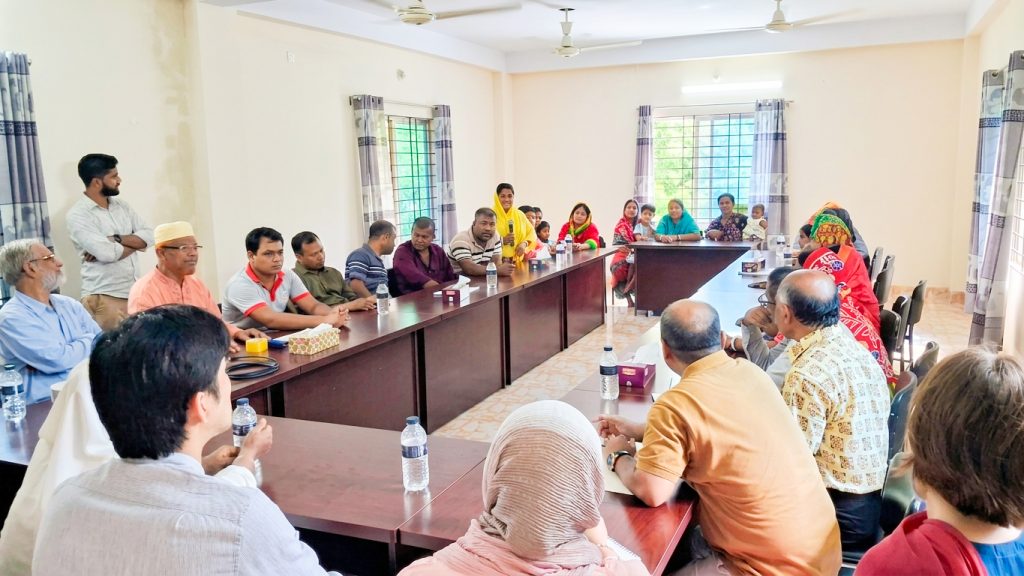
The visit also included a community consultation meeting, where project stakeholders, including supported micro-entrepreneurs, shared their experiences with the SMART project.

Participants discussed the positive changes brought about by project interventions, highlighted ongoing challenges, and shared their expectations for future support to further strengthen their enterprises.

Participants discussed the positive changes brought about by project interventions, highlighted ongoing challenges, and shared their expectations for future support to further strengthen their enterprises. The consultation gave the World Bank and PKSF teams a valuable opportunity to engage directly with project participants and gain firsthand insight into the project's implementation and impact at the grassroots level.

The consultation gave the World Bank and PKSF teams a valuable opportunity to engage directly with project participants and gain firsthand insight into the project’s implementation and impact at the grassroots level.

A World Bank mission has successfully concluded the Mid-Term Review (MTR) of the Sustainable Microenterprise and Resilient Transformation (SMART) project, finding the initiative progressing well and delivering both financial and environmental benefits to micro-entrepreneurs its sub-sectors. The review mission, led by Keisuke Iyadomi, Task Team Leader (TTL) of the SMART Project at the World Bank, was conducted from 5 to 16 April 2026. During the mission, the delegation visited 13 sub-projects spread across the country and engaged directly with micro-entrepreneurs and other grassroots stakeholders. The team also held a series of meetings and discussion sessions to comprehensively assess progress across all components of the project.
News & Events

World Bank completes mid-term review of SMART project, finds progress on track

A World Bank mission has successfully concluded the Mid-Term Review (MTR) of the Sustainable Microenterprise and Resilient Transformation (SMART) project, finding the initiative progressing well and delivering both financial and environmental benefits to micro-entrepreneurs.

The review mission, led by Keisuke Iyadomi, Task Team Leader (TTL) of the SMART Project at the World Bank, was conducted from 5 to 16 April 2026. During the mission, the delegation visited 13 sub-projects spread across the country and engaged directly with micro-entrepreneurs and other grassroots stakeholders. The team also held a series of meetings and discussion sessions to comprehensively assess progress across all components of the project.

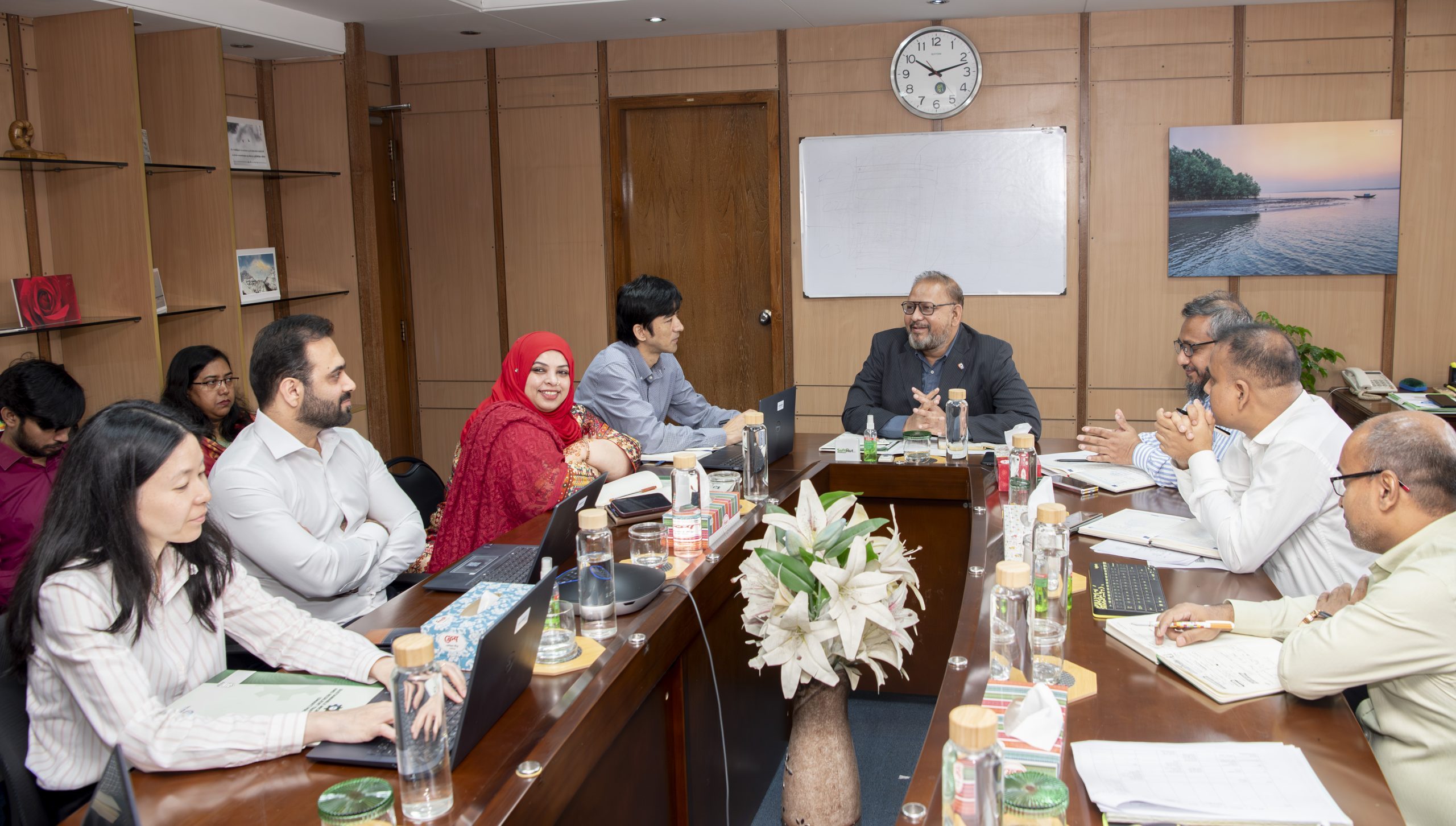
Following field visits, formal review discussions were launched through a kick-off meeting on 12 April 2026, presided over by Md Mashiar Rahman, Deputy Managing Director of PKSF. In his opening remarks, Rahman emphasized that PKSF is actively integrating the principles of the SMART project into its broader operations, noting that the project’s objectives align closely with PKSF’s strategic plan.

A World Bank mission has successfully concluded the Mid-Term Review (MTR) of the Sustainable Microenterprise and Resilient Transformation (SMART) project, finding the initiative progressing well and delivering both financial and environmental benefits to micro-entrepreneurs its sub-sectors. The review mission, led by Keisuke Iyadomi, Task Team Leader (TTL) of the SMART Project at the World Bank, was conducted from 5 to 16 April 2026. During the mission, the delegation visited 13 sub-projects spread across the country and engaged directly with micro-entrepreneurs and other grassroots stakeholders. The team also held a series of meetings and discussion sessions to comprehensively assess progress across all components of the project.

The World Bank delegation also held a view-exchange session with representatives of PKSF’s Partner Organizations (POs) implementing the SMART project, with discussions focusing on the POs’ financial portfolios and the adoption of Resource-Efficient and Cleaner Production (RECP) practices.

On 19 April 2026, the mission held a check-out meeting with the Financial Institutions Division (FID) of the Ministry of Finance. Keisuke Iyadomi informed the FID that the project is right on track. He highlighted that the SMART project provides a platform enabling micro-entrepreneurs to benefit both financially and environmentally. Kamrul Hoque Maruf, Joint Secretary of the FID, echoed this sentiment, stating that the project is poised to leave a sustainable impact on both the economy and the environment.

The mission’s findings were further shared in a meeting with the Economic Relations Division (ERD) on 28 April 2026. Keisuke Iyadomi reported that micro-entrepreneurs adopting RECP practices are successfully reducing production costs and increasing profitability. Additional Secretary of the ERD, Mirana Mahrukh, who presided over the session, expressed satisfaction with the project’s progress, noting that it was reassuring to learn there were no critical challenges facing the initiative.

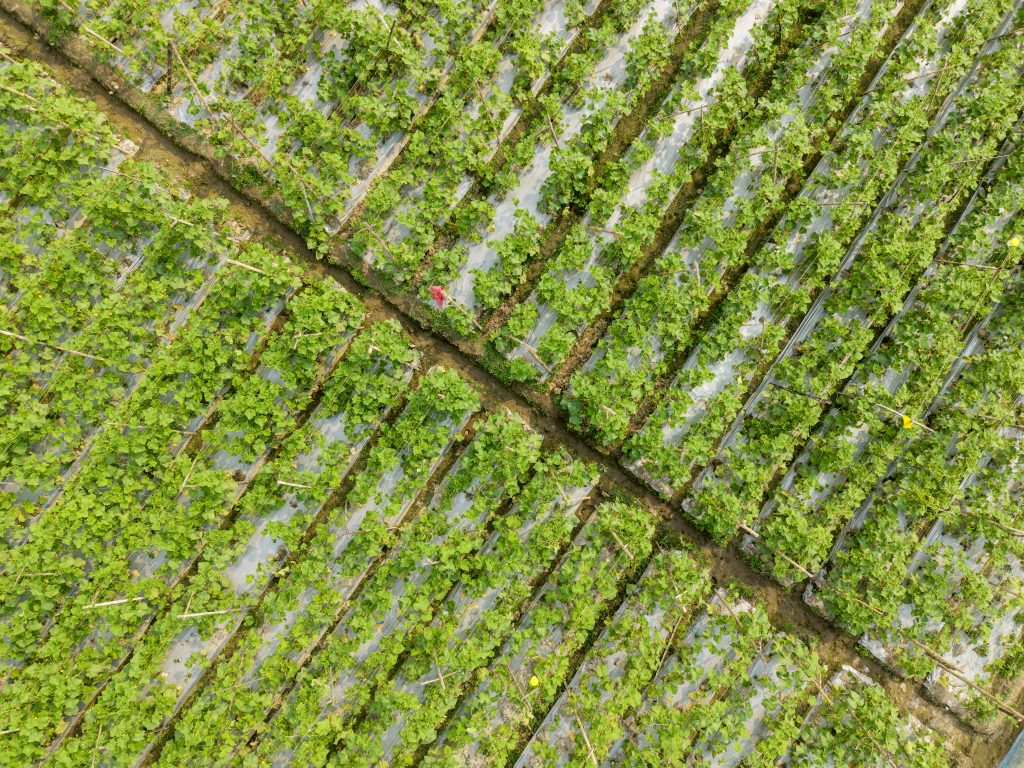
PKSF SMART project vegetable cultivation with RECP practices
Stories

RECP practices transformed Rubel’s vegetable farm from conventional to sustainable

On a crisp morning in Mostafabad, Md Rubel Hosain walks through his 148-decimal vegetable farm with the quiet confidence of someone who has discovered a better way of doing things. The 37-year-old farmer, who supports a family of five, has become something of a local pioneer in sustainable agriculture.

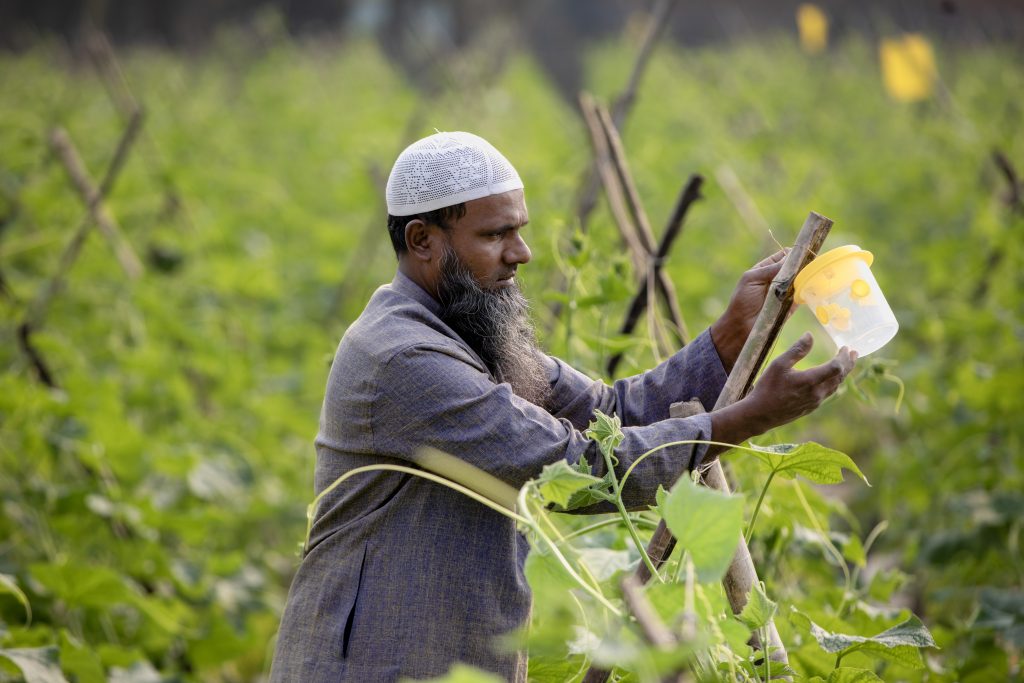
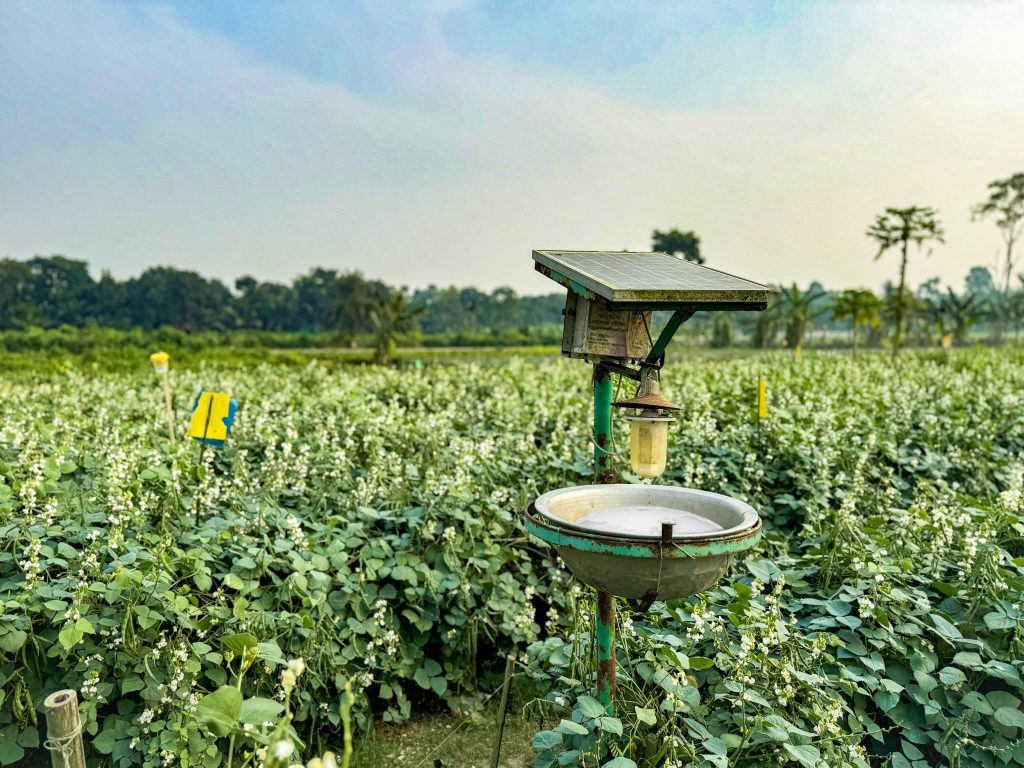
His journey toward Resource-Efficient and Cleaner Production (RECP) practices began with skepticism. “When GBK’s workers first told me about RECP, I wasn’t entirely convinced,” Rubel admits, standing beside rows of thriving tomatoes and eggplants. “But I decided to try mulching, pheromone traps, color traps, and organic fertilizers in my vegetable cultivation. The result? My production costs have decreased, profits have increased, and many people in the area have now started growing vegetables using mulching and organic methods.”

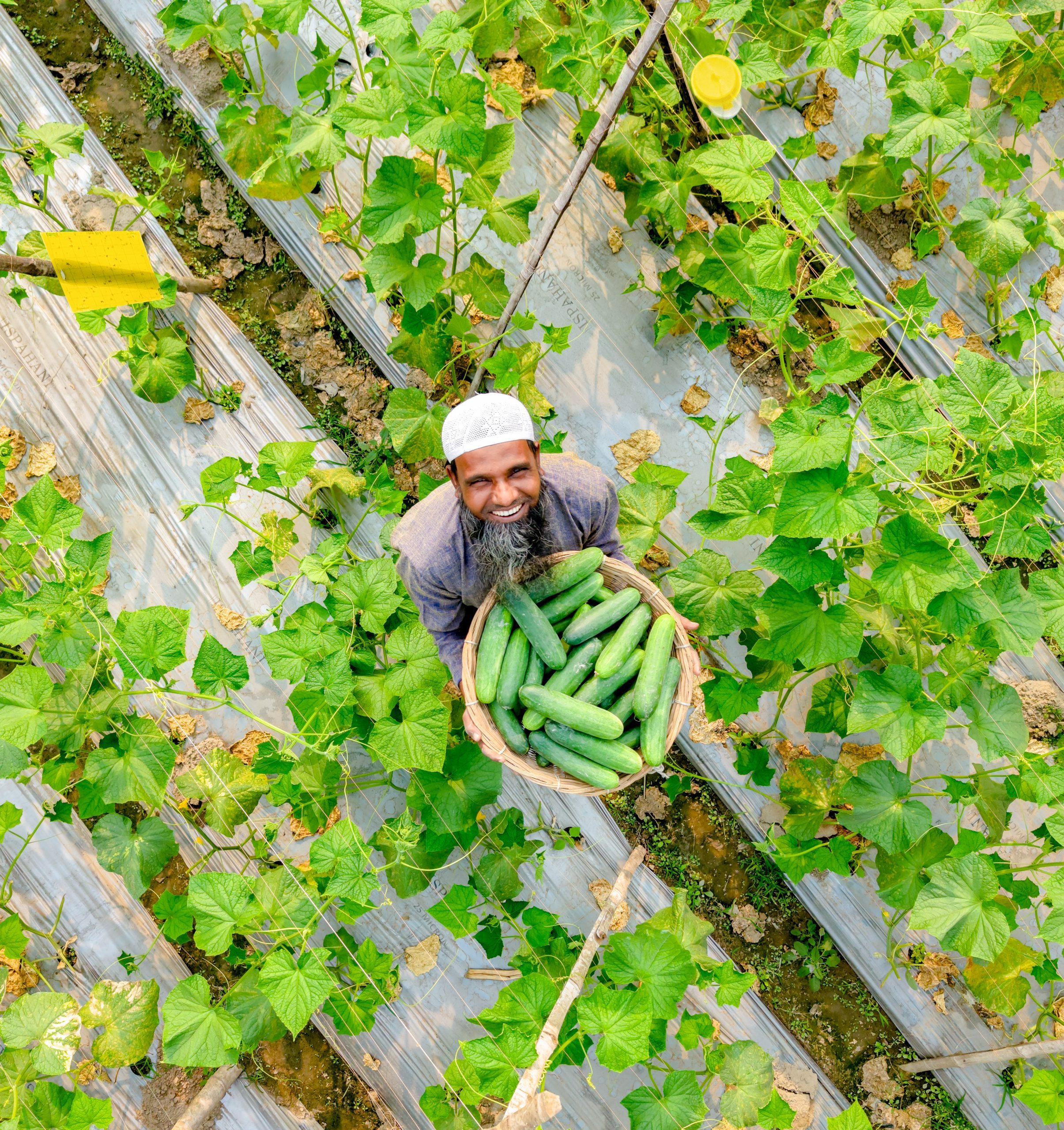
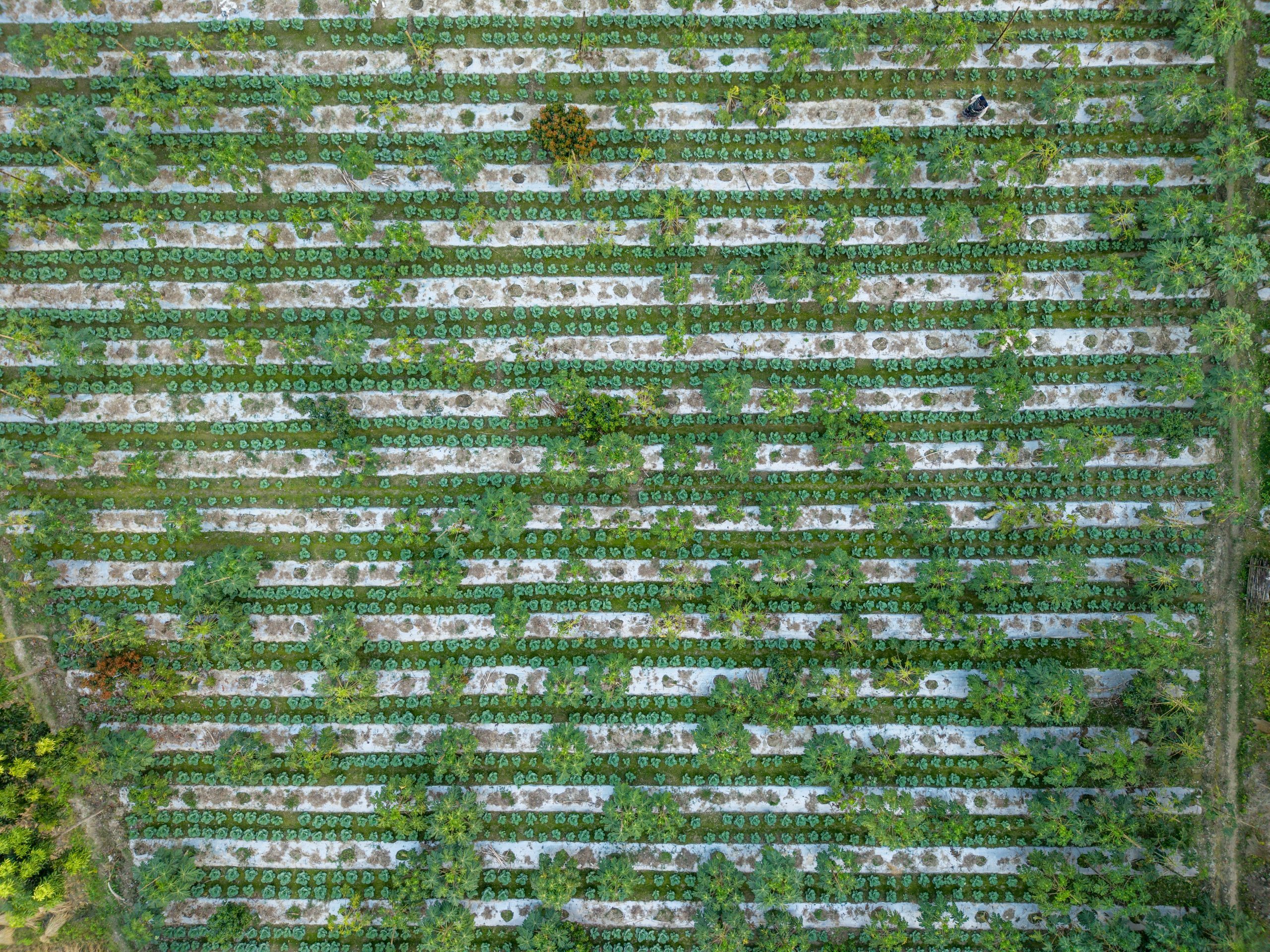
Mulching and multiple cropping in cucumber field under SMART project

A shift in approach

Before embracing RECP practices, Rubel’s farm operated like most conventional vegetable enterprises in the region. Chemical fertilizers and pesticides were liberally applied, water flowed freely through traditional irrigation channels, and yields hovered around 8-10 tonnes per hectare. Net profits barely crossed BDT 60,000-70,000 per hectare per season. It was marginal but had to scope for expansion or investment.

The turning point came in July 2025, when Rubel secured a loan of BDT 100,000 through Gram Bikash Kendra (GBK) and began implementing RECP techniques. The changes were methodical: organic fertilizers replaced excessive chemical inputs, mulching conserved precious water, and color traps and pheromone traps managed pests without the use of harsh pesticides.

Measurable impact

The transformation was faster than Rubel expected. Within a single cropping season, the numbers told a compelling story. Water consumption dropped by 25-30%, while chemical fertilizer and pesticide use decreased by 20-35%. But efficiency was not the only gain – crop yields actually increased to 11-13 tonnes per hectare, and the vegetables’ improved quality commanded better market prices.

The financial impact was even more striking. Production costs fell by 15-20%, and net profits soared to approximately BDT 100,000-120,000 per hectare per season, which is a remarkable 40-60% increase compared to his baseline earnings.

“The soil health has improved significantly,” Rubel explains, gesturing toward his integrated farming setup where five cattle provide both milk for his family and organic manure for his fields. “The vegetables have fewer chemical residues, which consumers appreciate. And I’m spending less on inputs while earning more.”

Metric

Before RECP (Baseline)

After RECP Adoption

Average Yield

8–10 tons per hectare

11–13 tons per hectare

Water Usage

High conventional use

Reduced by 25–30%

Chemical Use

High reliance

Reduced by 20–35%

Net Profit

BDT 60,000–70,000

BDT 100,000–120,000

Looking ahead

Rubel’s influence extends beyond his own farm boundaries. His success with RECP practices has sparked interest throughout Mostafabad and surrounding areas, with neighboring farmers beginning to adopt similar methods.

His aspirations have grown alongside his profits. He envisions expanding his cultivated area, diversifying into off-season and value-added vegetables, and adopting digital platforms for better market information and input sourcing. His wish list includes improved irrigation systems like drip or sprinkler technology and post-harvest facilities for grading, sorting, and packaging.

“I want to strengthen my market linkages further,” he says, “and explore certification and branding for RECP-grown vegetables. There’s so much potential.”

As the morning sun climbs higher, Rubel surveys his thriving farm – a patchwork of green vitality where sustainability and profitability have proven to be partners rather than competitors. His story offers a template for other smallholder farmers in Bangladesh: that environmental responsibility and economic success can flourish together.

Agroecological farming under the PKSF's SMART Project
Stories

Agroecological farming: Cultivating food in harmony with nature

Md Julfiker Rahman, Senior Program Manager, SMART Project, PKSF

Agroecological farming is a sustainable approach to agriculture that applies ecological principles to the design and management of food systems. It seeks to produce food in harmony with nature while enhancing farmers’ livelihoods, community resilience, and environmental health. The key feature of agroecology is its holistic perspective; rather than focusing solely on yields, it considers the entire agroecosystem—soil, water, plants, animals, and people. It emphasizes biodiversity, recognizing that diverse crops and landscapes are more resilient to pests, diseases, and climate shocks. Furthermore, it relies on local knowledge and farmer innovation, blending traditional wisdom with scientific understanding to create context-specific solutions.

The SMART project actively promotes agroecological farming among farmers in the high-value crops sub-sector through various sub-projects dedicated to vegetables, fruits, flowers, and medicinal plants. While the core objective of the project is to help farmers adopt climate-resilient RECP practices, many of these interventions align perfectly with agroecological principles. Here is how the SMART project is laying the foundation for agroecological farming:

Building living soil

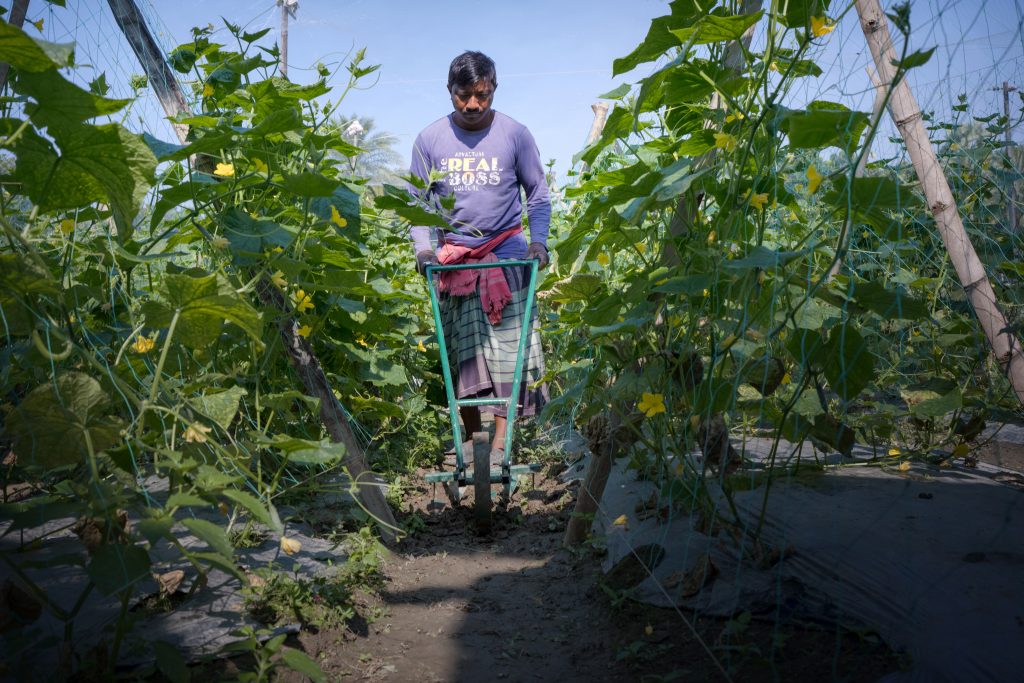
Healthy soil is the bedrock of agroecology. SMART farmers enrich the earth using vermicompost, trichocompost, mulching, and mechanical weeders, alongside composting crop residues to increase organic matter in the soil. By feeding the beneficial microorganisms in the soil, they unlock the natural nutrients plants need to thrive. Cover crops like mung bean and lentil are often interplanted with main crops to naturally balance nitrogen levels, while minimal tillage preserves the delicate soil structure and fungal networks essential for long-term soil health.

Manual Weeding does the work of 4 in just an hour

Diversity as a strategy

Unlike industrial monocultures, agroecological farms embrace variety. Crop rotation – growing different crops in sequence – breaks pest cycles and balances nutrient demands. For instance, mango growers cultivate mung bean, lentil, mustard, ginger, or turmeric in the same orchard, while pineapple growers intercrop with papaya, ginger, chili, and aram. Vegetable growers often plant cauliflower, cabbage, carrots, and coriander together, ensuring the most efficient use of land and resources.

Natural pest management

Rather than relying on synthetic pesticides, farmers utilize bio-pesticides and Integrated Pest Management (IPM) systems, such as pheromone, color, and light traps. Some have adopted the “perching” method, installing bamboo poles as resting spots for insectivorous birds that naturally consume harmful insects. In fruit cultivation—specifically for mangoes, bananas, and dragon fruits—farmers use fruit bagging to protect their harvest from pests, ensuring the produce remains safe and healthy for consumption.

Water efficiency

The project introduces modern techniques to ensure every drop of water counts. This includes the use of drip and sprinkler irrigation, foggers in Gerbera flower sheds, and the use of hosepipes for transporting water to minimize the loss typically associated with open canals.

Climate resilience

A key intervention of the SMART project is the promotion of climate-smart and adaptive crop varieties suited to specific geographical regions. For example, the G-9 banana is a dwarf variety particularly resilient to cyclones. In the Barind tract, where water is scarce, the project encourages fruit cultivation over rice crops to conserve the local water table.

Agroecological farming produces nutritious food while healing the land. As climate change challenges conventional industrial agriculture, these time-tested yet innovative practices offer a pathway toward food systems that support both the community and the environment.

ESDO WWD 1
News & Events

SMART project marks International Women’s Day with rallies, discussions across the country

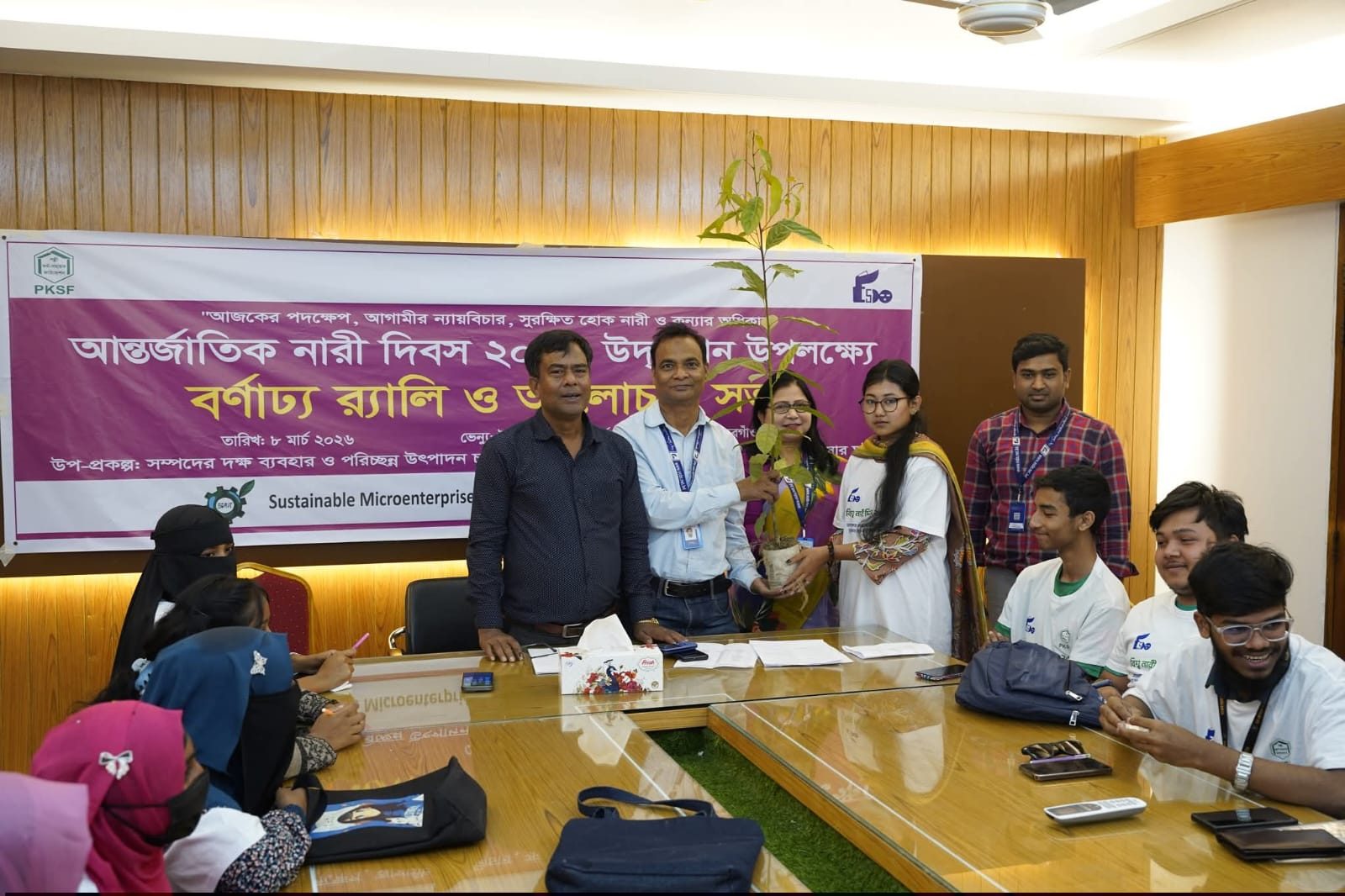
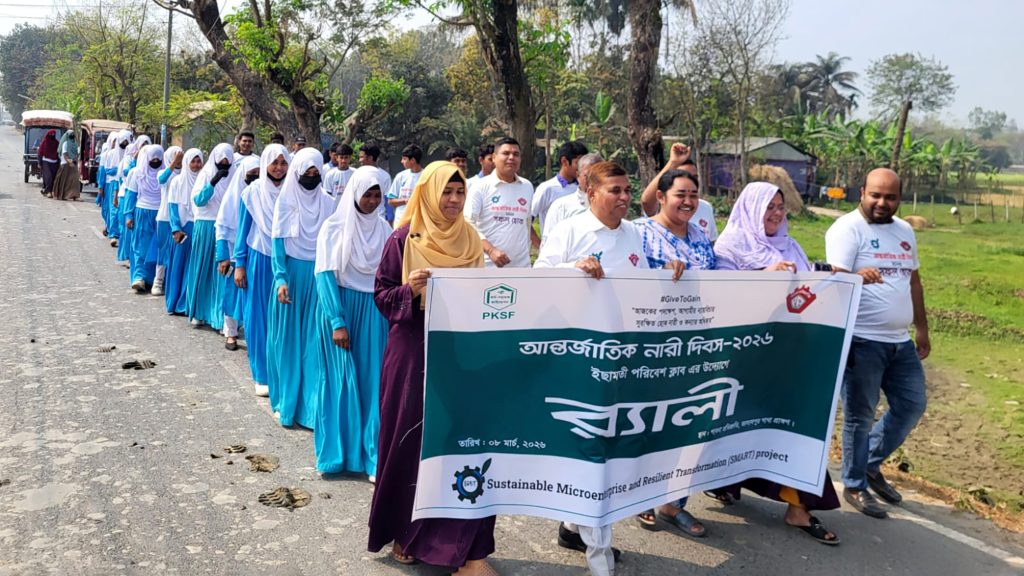
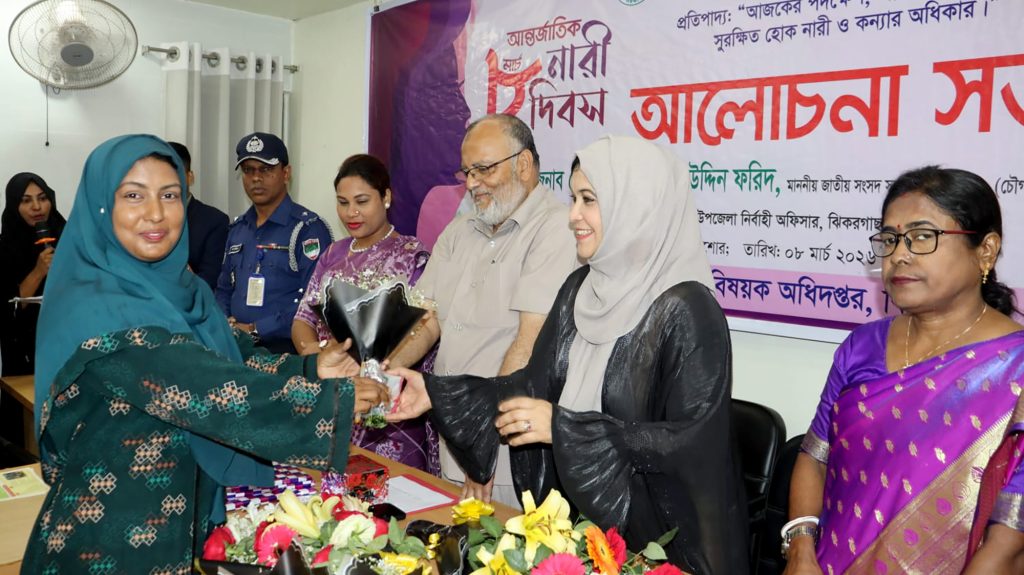
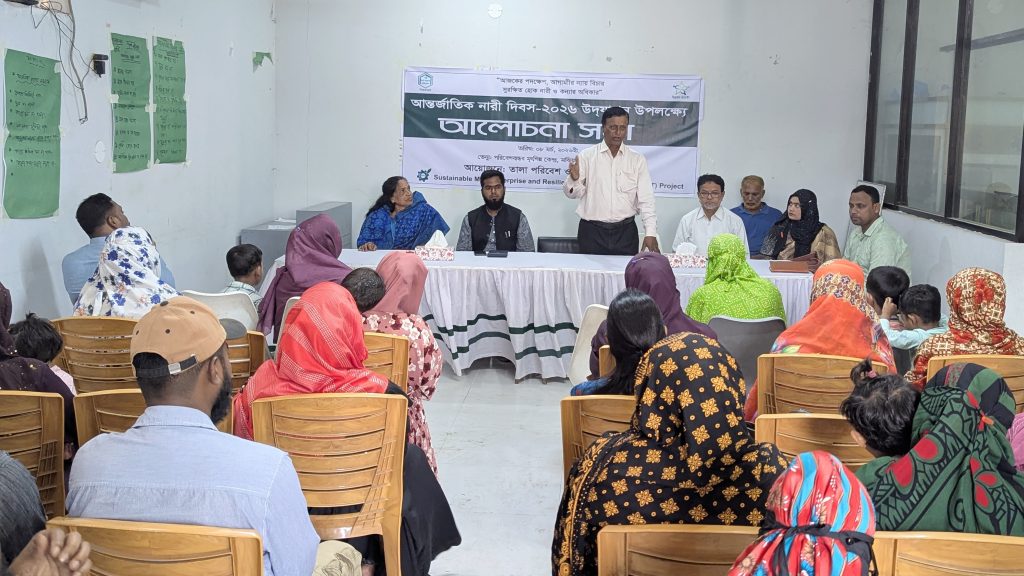
SMART project implementing Partner Organizations of PKSF observed International Women’s Day 2026 through a series of vibrant community events across project areas, highlighting women’s rights, contributions to the economy, and persistent challenges. The celebrations on March 8 aligned with this year’s global theme, “Rights. Justice. Action. For ALL Women and Girls”.

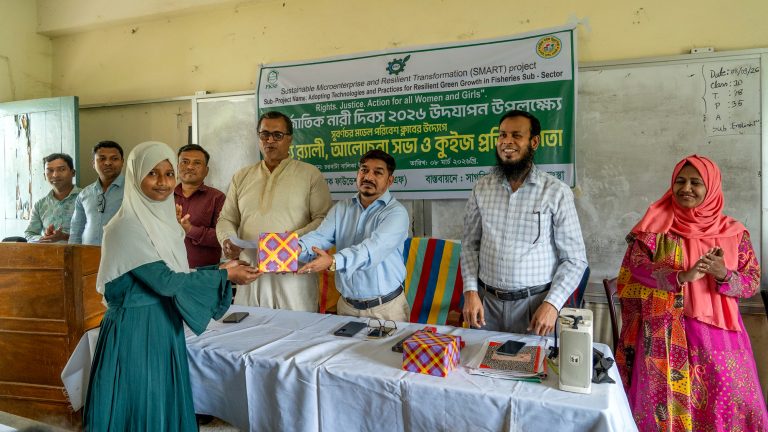
Under the SMART project, sub-projects implemented by various PKSF partners organized colorful processions, rallies, discussion sessions, debate competition, human chain, and quiz competitions for students in different parts of the country. Environment Clubs mobilized micro-entrepreneurs and local community members to take active part in the programs. Participants discussed the significance of Women’s Day, women’s pivotal role in society and the national economy, their entitlements, and the barriers they continue to face. In several locations, the Partner Organizations distributed tree saplings and books among quiz competition winners to promote both knowledge and environmental awareness. The events served to spotlight the SMART project’s deliberate focus on women’s economic empowerment.

SMART’s results framework sets a specific target that 65 percent of supported microenterprises adopting climate-resilient practices and achieving revenue growth should be female-owned. The project also aims for at least 30 percent women’s representation in the management committees of non-revenue-generating common facilities to strengthen female leadership. Additionally, women-led microenterprises receive tailored training — based on professional assessments — in financial literacy, green technologies, and marketing strategies for eco-friendly products. These targeted interventions reflect SMART’s broader commitment to fostering gender-inclusive, climate-resilient microenterprise development across Bangladesh.