
News & Events
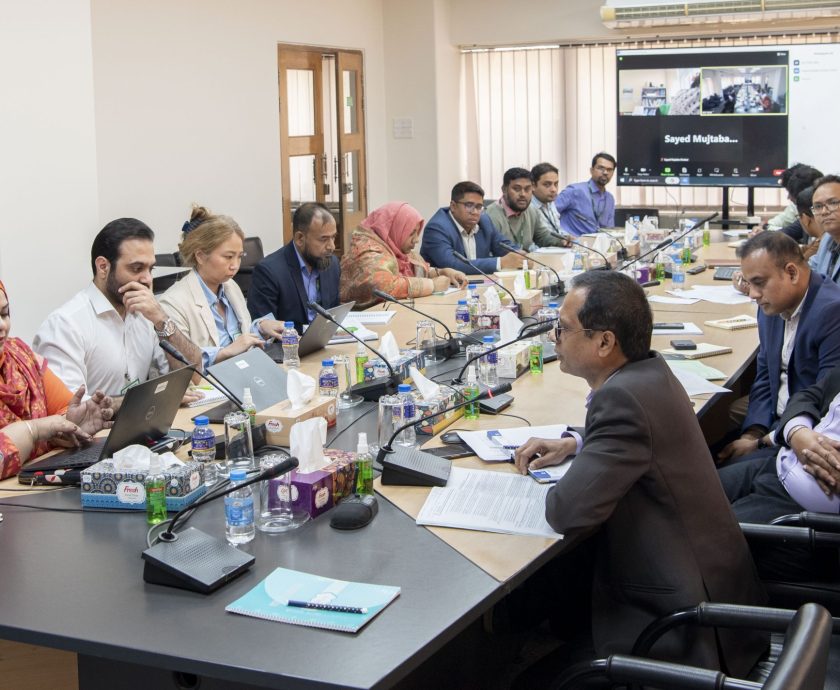
Gogannagar, Narayanganj, on 1 October 2026 to review the implementation progress, achievements and ongoing activities of the ‘Promoting Sustainable Mini-garments through RECP Practices’ sub-project implemented by Palli Mongal Karmosuchi (PMK).
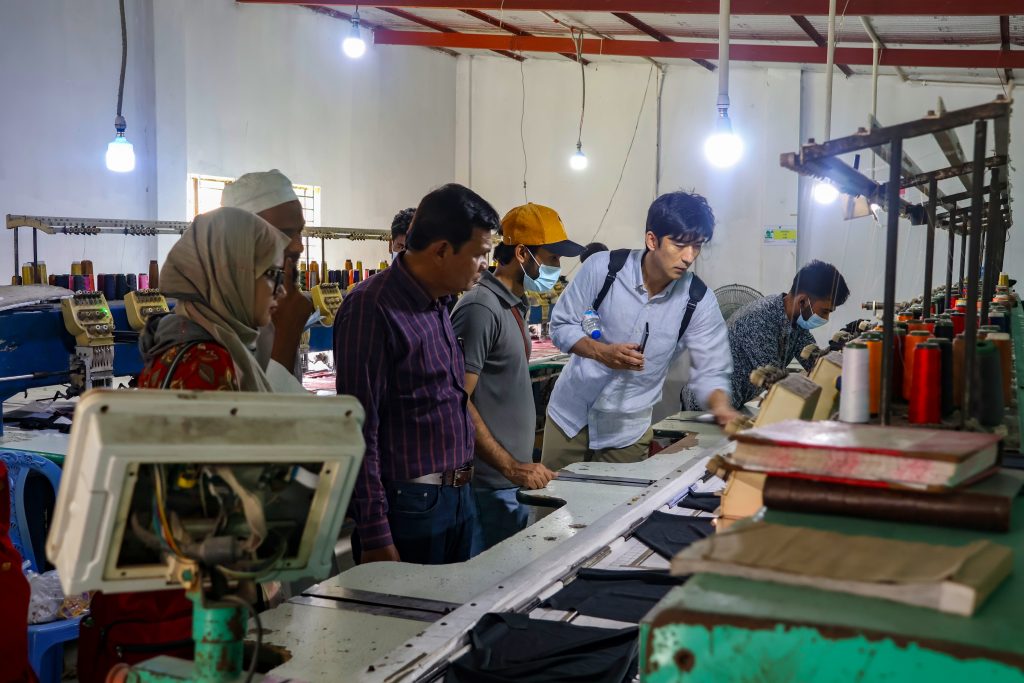
The delegation first visited the PMK Nitaiganj branch office, where a presentation on the progress and implementation of the sub-project was delivered. The team then visited five factories in the Gogannagar mini-garments cluster: Mayer Doya Hosiery, Bhai Bhai Embroidery, SD Hosiery and Garments, Bismillah Hosiery and Bismillah Garments.
The field visit focused on assessing the implementation of project-supported activities and understanding changes in productivity, efficiency, workforce skills, working conditions and workplace safety. The delegation also reviewed the use of modern technologies and production methods in the mini-garments sector, while identifying achievements, challenges and opportunities for further improvement.
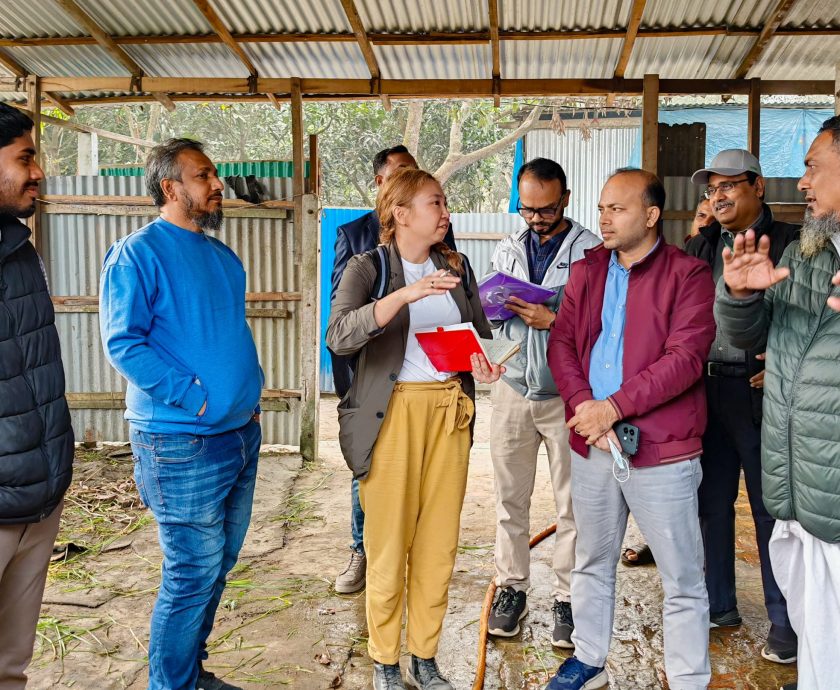
During the factory visits, the delegation observed different sections of the production facilities and the various stages of the manufacturing process. Team members also spoke directly with factory owners, managers and workers to understand how project-supported initiatives were being implemented in practice.
Particular attention was given to production processes, workers’ practices, skills development, the use of modern technologies and equipment, working conditions, occupational health and safety, productivity enhancement, quality control, waste management and the effective use of workers’ skills.
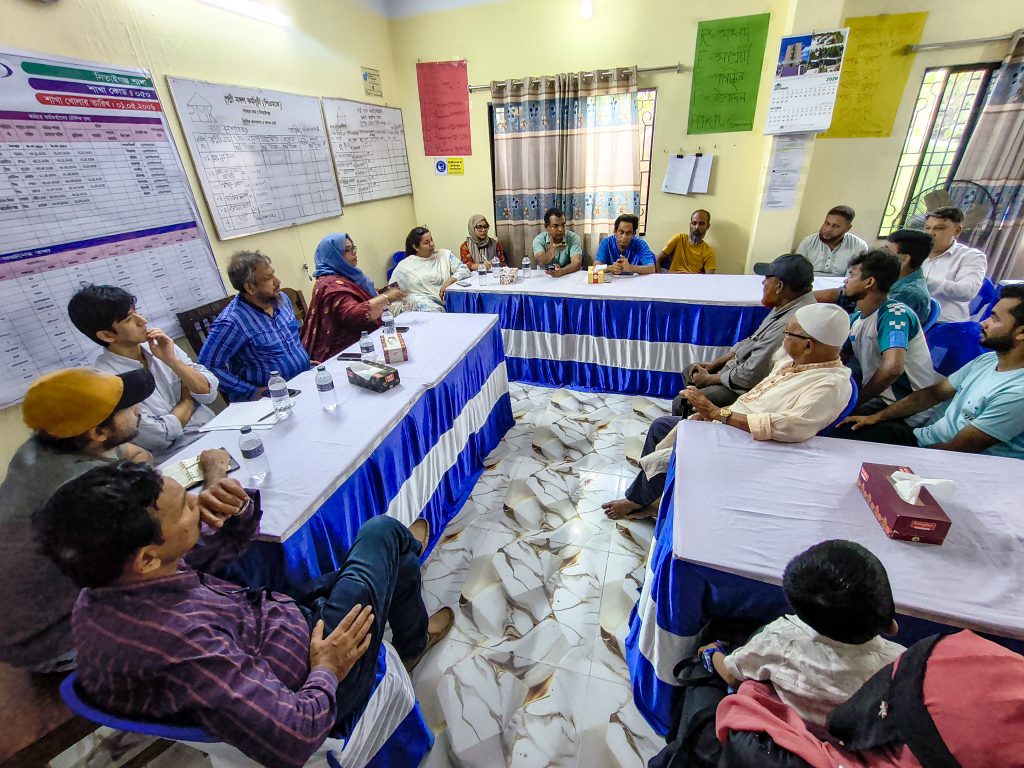
A consultation meeting was subsequently held with factory owners and workers in the presence of senior PMK officials and sub-project personnel. Discussions covered the practical impact of project-supported loan assistance, training and other interventions. Entrepreneurs shared their experiences in applying newly acquired skills and described the positive effects on their production processes, while the delegation sought further information about project implementation and outcomes.
The visit identified several positive developments at the enterprise level. Skills development initiatives were found to be contributing to improved workforce capacity, while improved work practices, skilled personnel and modern technology were creating opportunities to enhance productivity. The use of modern machinery was also observed to support greater efficiency and improved production quality. Attention to the working environment and worker safety, alongside strengthened management capacity, was identified as another positive aspect of the intervention.
The delegation and project team also identified areas requiring continued attention to make the interventions more effective and sustainable. These include strengthening regular and needs-based training, expanding the use of modern technologies and production methods, regularly monitoring workplace health and safety, establishing effective productivity improvement plans, assessing the application and outcomes of workers’ training, documenting project achievements, and exploring opportunities to replicate successful initiatives in other suitable factories.
The visit further recommended continued monitoring of project activities, sustained investment in skills development, the introduction of results-based performance indicators, stronger workplace safety measures, greater adoption of modern technologies, systematic documentation of successful interventions, regular collection of beneficiary feedback, and periodic assessment and reporting of project results. The report also emphasized the importance of appropriately implementing recommendations from PKSF and the World Bank.
The field visit concluded with a community consultation involving local entrepreneurs and other stakeholders, providing an opportunity to capture their experiences and views. The visit highlighted the progress being made under the SMART sub-project and the potential for further improvements in sustainable microenterprise development through skills enhancement, modern production technologies, improved productivity and safer working environments.