
News & Events
A delegation from the World Bank and PKSF visited three block and paving tile manufacturing facilities in Khulna and Bagerhat on 11 October 2026 to review the progress of the ‘Environment-friendly Construction Materials’ sub-sector activities and identify opportunities to improve environmental performance and market access.
Implemented by CODEC, the sub-project promotes environment-friendly construction materials and strengthens environmental and social management in the manufacturing sector.
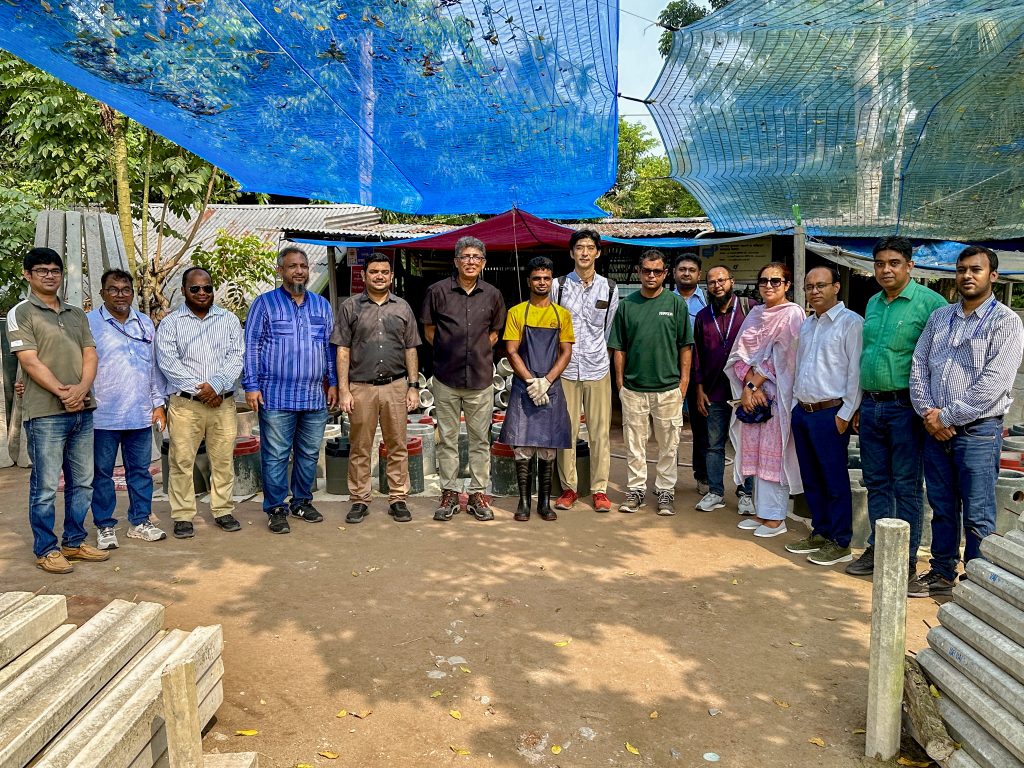
The World Bank delegation included Keisuke Iyadomy, Task Team Leader; SM Zulkernine, Senior Environmental Specialist; Md Shariful Islam, Social Development Consultant; and Sharlin Hossain, Environmental Specialist. They were accompanied by SMART Project Coordinator A. K. M. Zahirul Haque, other PKSF representatives, and officials from CODEC, including Quazi Wafiq Alam, Director of the Programme and Knowledge Management Department, and focal person Sheikh Rezwan Hasan.
During the visits, the delegation discussed environmental and social management, waste recycling, production efficiency, occupational health and safety (OHS), and the Grievance Redress Mechanism (GRM).
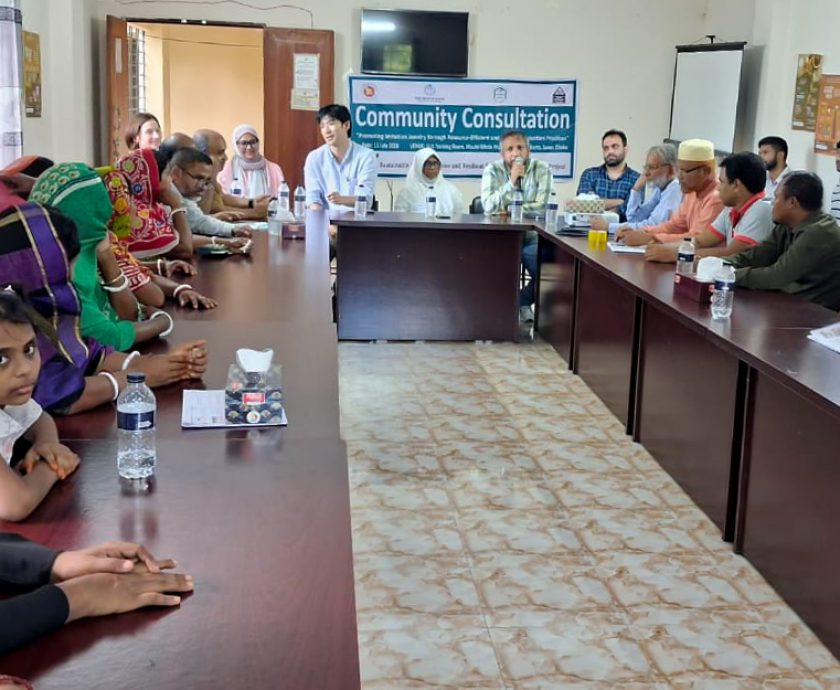
Following the factory visits, a community consultation meeting was held with 15 entrepreneurs, a Senior Assistant Engineer from the Local Government Engineering Department (LGED), Bagerhat, and environmental club representatives.
Participants discussed the potential of concrete blocks as an alternative to conventional clay bricks, market expansion opportunities, water quality challenges, and improvements to factory environments. The discussion also highlighted the need for greater coordination between entrepreneurs and environmental clubs.
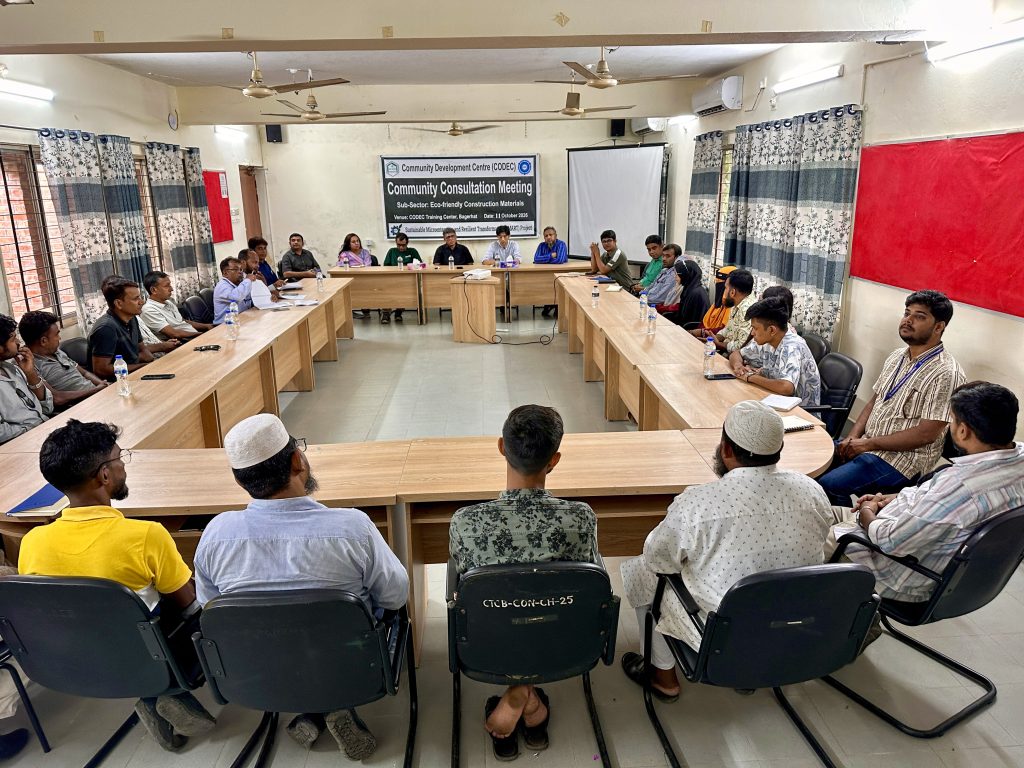
To promote wider adoption of environment-friendly blocks, the delegation recommended public awareness campaigns, expanded training for masons, and stronger engagement with stakeholders to increase the use of blocks in public and private construction projects.
Through the SMART project, CODEC provides entrepreneurs with training, technical assistance, improved production methods, product quality testing, learning visits, and marketing support. These interventions aim to improve resource efficiency, strengthen environmental management, and promote the sustainable growth of Bangladesh’s construction materials sector.