
News & Events
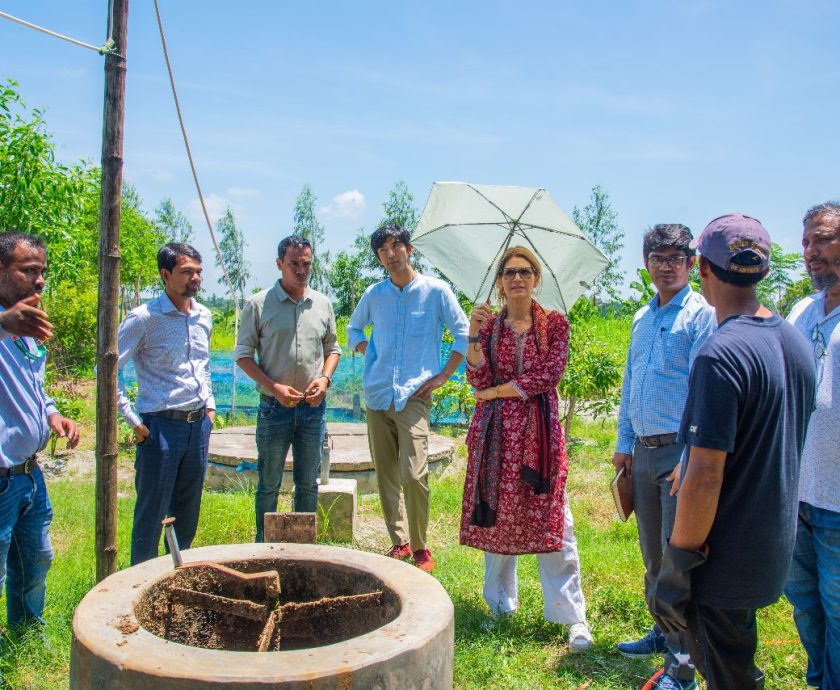
A joint delegation from the World Bank and PKSF visited microenterprises in Badda, Dhaka, supported under the SMART project, on 31 August 2026, to observe the adoption of Resource Efficient and Cleaner Production (RECP) practices in the restaurant, street food and bakery sectors.
Implemented by SAJIDA Foundation under the SMART project, the sub-project helps small food businesses improve resource efficiency, hygiene, food safety and workplace conditions through financing, grants and practical training.
During the visit, the delegation observed a range of RECP measures adopted by participating enterprises, including solar energy, energy-efficient cooking equipment and lighting, improved ventilation, water-saving arrangements, safer waste handling, and enhanced hygiene and occupational safety practices. These measures are designed to reduce the consumption of energy, water and raw materials, lower operating costs, and minimize the environmental footprint of small food businesses.
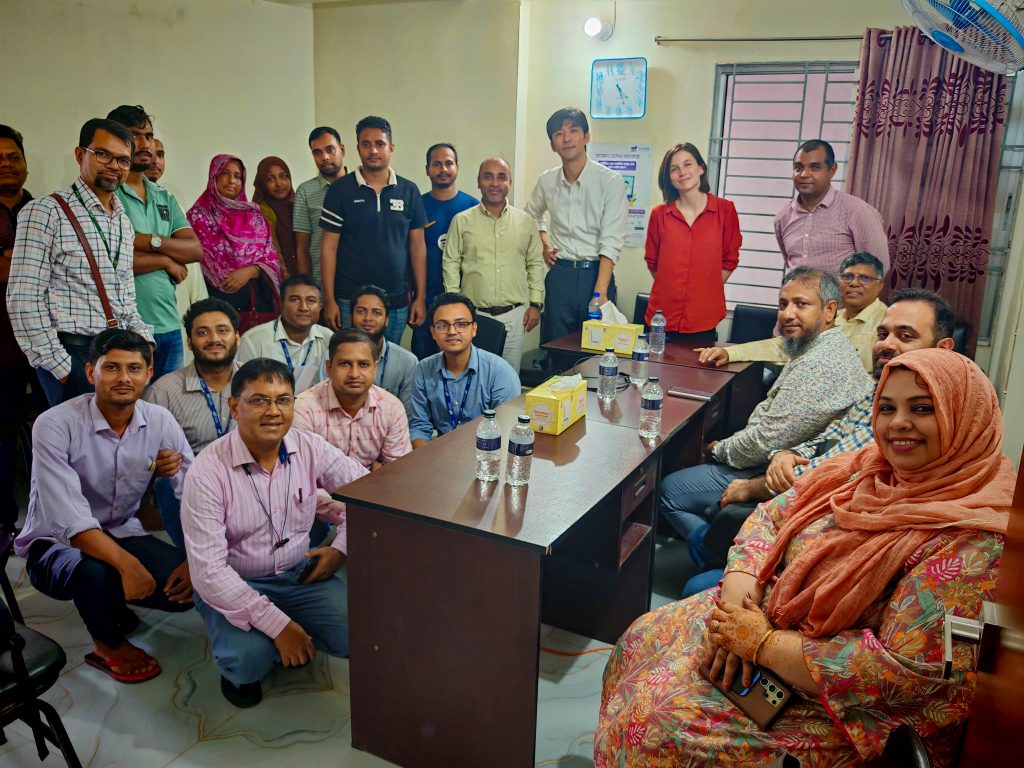
The delegation also interacted with entrepreneurs to learn about their experiences in implementing the practices and the changes these interventions have brought to their day-to-day operations. The discussions highlighted the importance of combining financial support with practical guidance to help small businesses adopt cleaner, safer, and more resource-efficient production methods.
The World Bank delegation comprised Keisuke Iyadomi, Senior Climate Change Specialist; Hosna Ferdous Sumi, Senior Private Sector Specialist, Finance, Competitiveness and Investment; Shariful Islam, Senior Social Development Specialist; Sayed Mujtaba Shobair, Environmental Specialist; and Jasmin Kraehenbuehl, Climate Finance and Carbon Market Analyst.
Representing PKSF were A.K.M. Zahirul Haque, Assistant General Manager, CERD and Project Coordinator of the SMART project; and Abu Hayad Md. Rahat Hossain, Manager, CERD and Deputy Project Coordinator of the SMART project. Md. Fazlul Hoque, Deputy Chief Executive Officer of SAJIDA Foundation, also accompanied the delegation.
The delegation appreciated the visible progress in implementing RECP measures at the enterprise level and identified opportunities to expand technology adoption and extend support to more micro and small food businesses. The visit also underscored the importance of strengthening environmental management, food safety, and occupational health and safety practices to improve business sustainability and resilience.