
News & Events
A World Bank delegation conducted a three-day field visit to Cox’s Bazar from 17 to 19 August 2026 to review the overall progress, environmental and social commitments, Resource Efficient and Cleaner Production (RECP) practices, and field-level activities of the SMART project’s dry fish processing sub-project implemented by Coast Foundation.
The delegation also conducted a Hazard Identification and Risk Assessment (HIRA) to identify potential occupational, environmental and social risks associated with dry fish processing activities and assess measures for their prevention and mitigation.
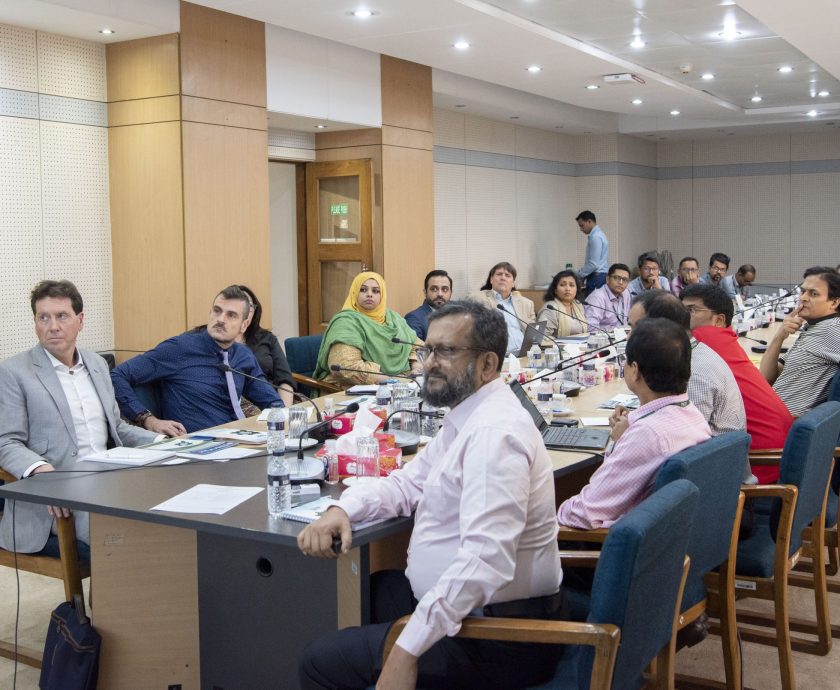
A sub-project progress review meeting was held at the Coast Foundation’s Cox’s Bazar Center on 17 August. The meeting was attended by Sharlin Hossain, Environmental Specialist, World Bank; Samira Chowdhury, Social Development Specialist, World Bank; and Zahin Takrim Hossain, Programme Assistant, World Bank, along with senior officials from PKSF and Coast Foundation.
During the meeting, the progress of the sub-project was presented, followed by a detailed review of the Environmental and Social Commitment Plan (ESCP) and the status of its implementation. Discussions focused particularly on gender inclusion, occupational health and safety (OHS), and the adoption of climate-resilient RECP technologies and practices in the dry fish processing sector. The World Bank delegation provided observations and guidance on strengthening environmental and social safeguards and ensuring compliance with the project’s commitments.
A dedicated session on HIRA was also held, where potential hazards associated with the subproject activities were identified and discussed. The participants reviewed possible risks across different stages of the dry fish processing value chain and discussed appropriate preventive and mitigation measures.
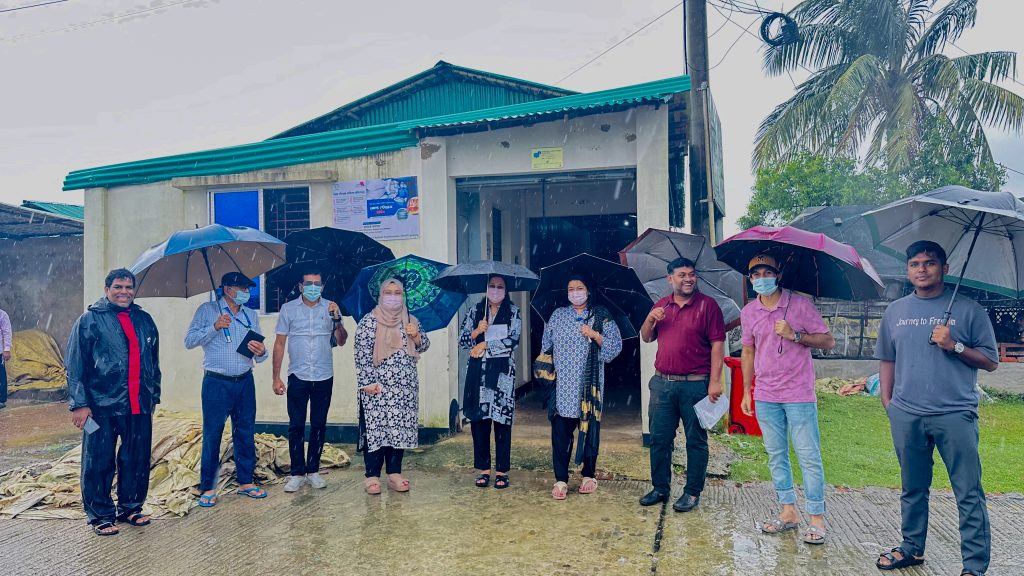
The delegation also visited the Nazirartek dry fish processing area in Cox’s Bazar. The team inspected several key facilities and technologies introduced or supported under the sub-project, including a container-type cold storage facility, dry fish waste collection and processing center, raw fish washing floor and soak pit, solar fish dryer technology, and a plastic recycling unit.
During the field visit, the delegation interacted with entrepreneurs and workers to understand operational practices, identify potential hazards, and assess the effectiveness of existing risk mitigation measures. Particular attention was given to occupational health and safety, environmental management, resource efficiency, waste management, and the practical application of RECP technologies.
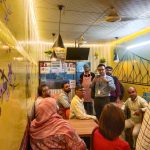
The team then held a community consultation meeting with local entrepreneurs, elected representatives, women workers, and other stakeholders. Participants highlighted several issues requiring further attention, including the renovation of the road in Samitirpara, establishment of a primary healthcare facility for female workers, construction of adequate public toilets for women workers, and greater opportunities for developing the dry fish sector as an export-oriented industry through access to modern markets.
The field visit concluded with an emphasis on strengthening safeguards across the entire dry fish value chain, from fish harvesting and processing to final consumption. The delegation stressed the importance of keeping all SMART-supported activities free from child labor, strengthening occupational health and safety measures, ensuring a safe and appropriate working environment for women, and implementing adequate preventive measures against identified hazards and risks throughout the value chain.