SMART project driving growth through eco-friendly innovation in light engineering sector
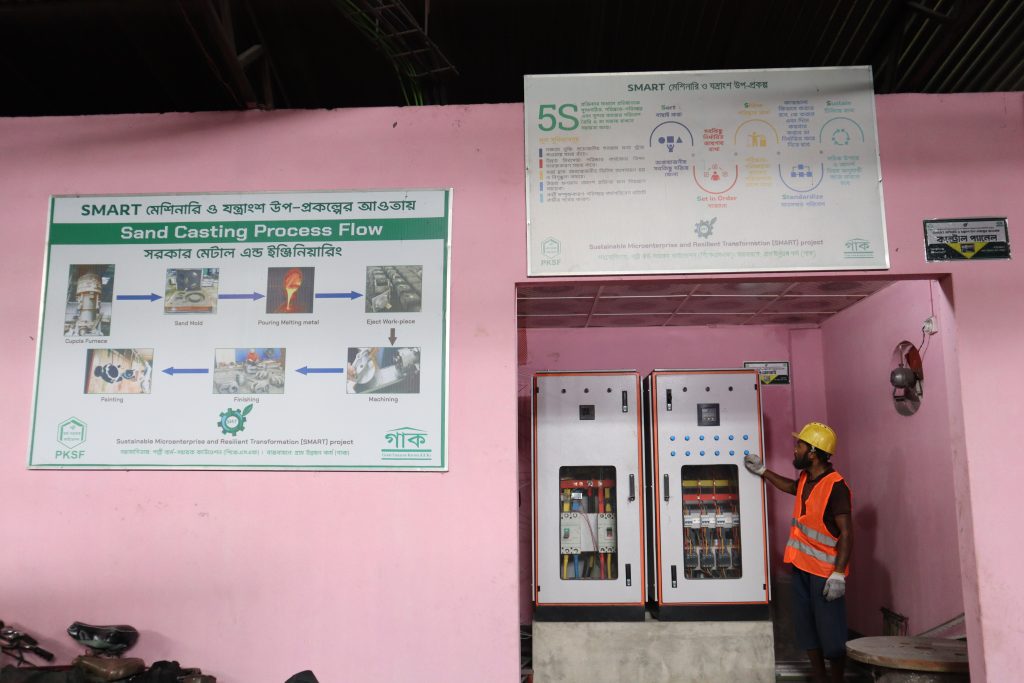
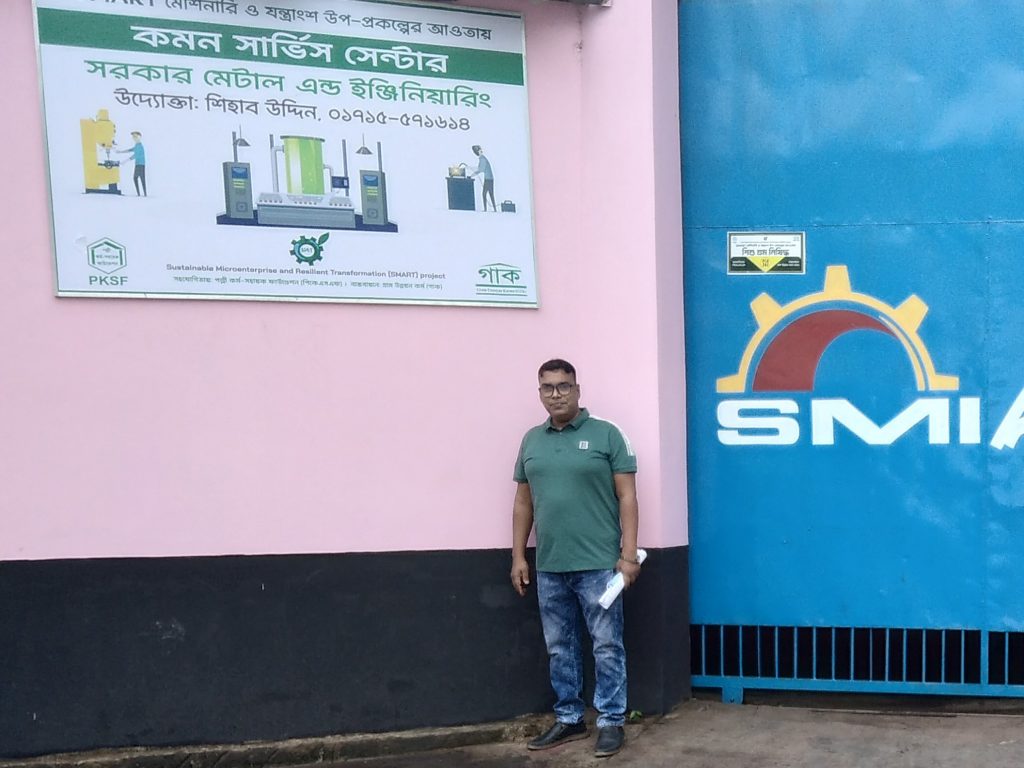


In Bangladesh, the light engineering sector plays a vital role in the national economy, but it also faces significant challenges. Many of its microenterprises operate with outdated, resource-intensive technologies that contribute to environmental pollution and limit profitability. The story of Sarkar Metal & Engineering, a small foundry in Bogura, highlights a path of transformation that addresses these issues through Resource-efficient and Cleaner Production (RECP) practices, proving that environmental responsibility can lead to economic viability. It is a testament to how targeted support and strategic partnerships can transform an entire industry, one enterprise at a time.
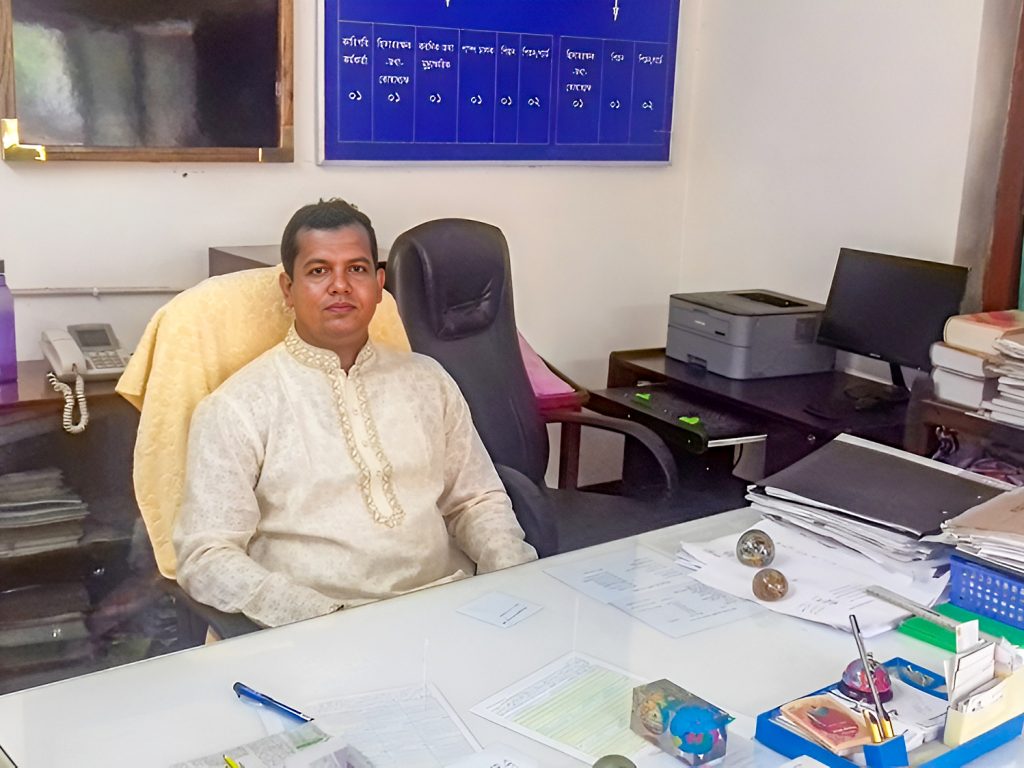
Founded in 2015 by Md Shihab Uddin Sarkar, the company initially used a coal-powered foundry to produce parts for large industrial clients like RFL. While the business started with promise, by 2020 it faced a crisis. The market for its primary product, tube-wells, had collapsed, and soaring electricity costs, which had doubled from BDT 5 to 10 per unit, made the business model unsustainable. Faced with the risk of closure, Sarkar’s once-promising venture stood on the edge of survival for a substantial period of time.
In 2024, Sarkar attended a workshop on RECP technology organized by Gram Unnayan Karma (GUK) under the Sustainable Microenterprise and Resilient Transformation (SMART) project. The workshop presented a new perspective: that cost reduction and environmental protection could go hand in hand. Inspired and determined, Sarkar decided to reinvent his business.
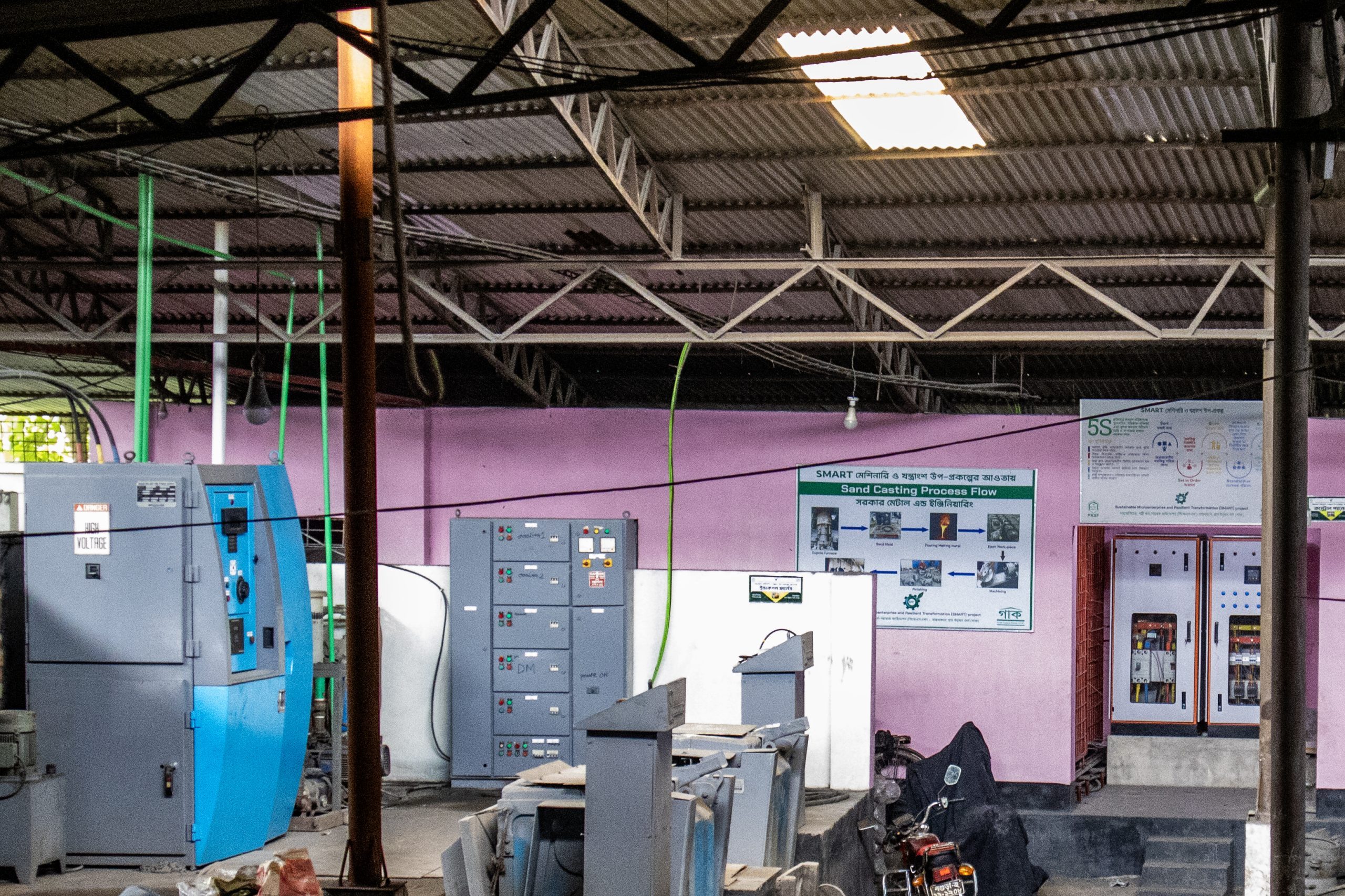
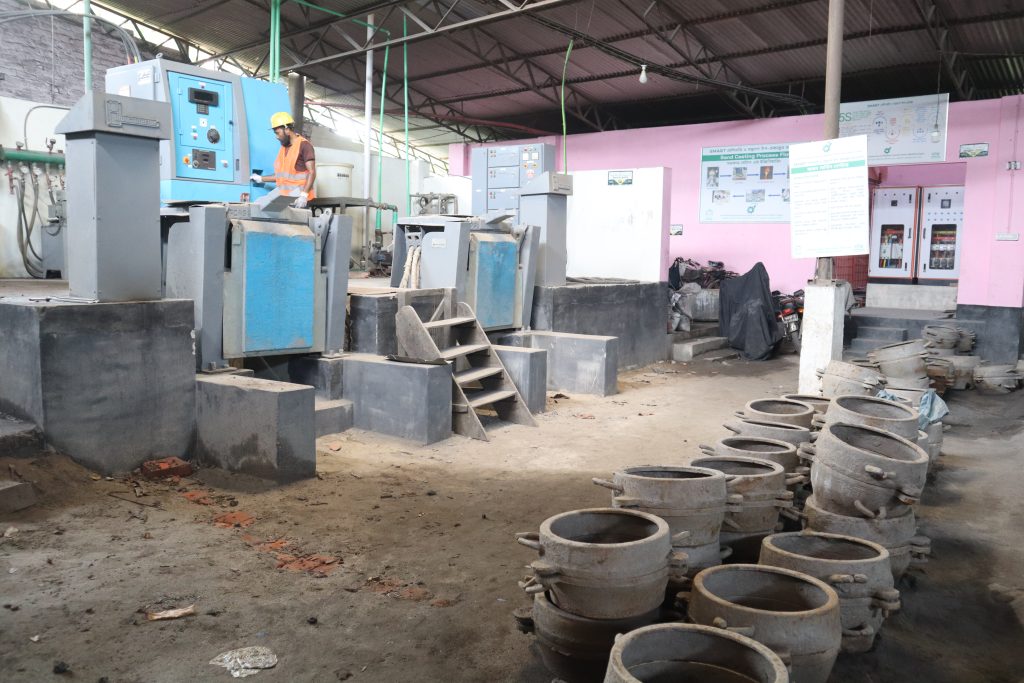
With support from the SMART project, Sarkar received hands-on training in RECP practices, e-commerce marketing, and environmental certification. Backed by a BDT 10 lakh Common Service loan from GUK and a grant for an automated induction furnace, he made a strategic move. He replaced his polluting coal-based foundry with automated induction technology.
This was more than an upgrade, a fundamental shift. The change resulted in reduction of production costs, a significant improvement in product quality, and a near-zero reduction in waste generation. Beyond the technology, Sarkar implemented modern waste management practices and planted over 1,200 timber and fruit trees on his property. He also focused on his employees’ well-being, providing safety equipment and occupational health training. As Sarkar himself reflected, “This wasn’t just an upgrade—it was a complete transformation. Production costs fell by 20-30%, product quality soared, and waste generation dropped to nearly zero. My foundry became not just a workplace, but a model of safe, sustainable, and climate-resilient industry.”
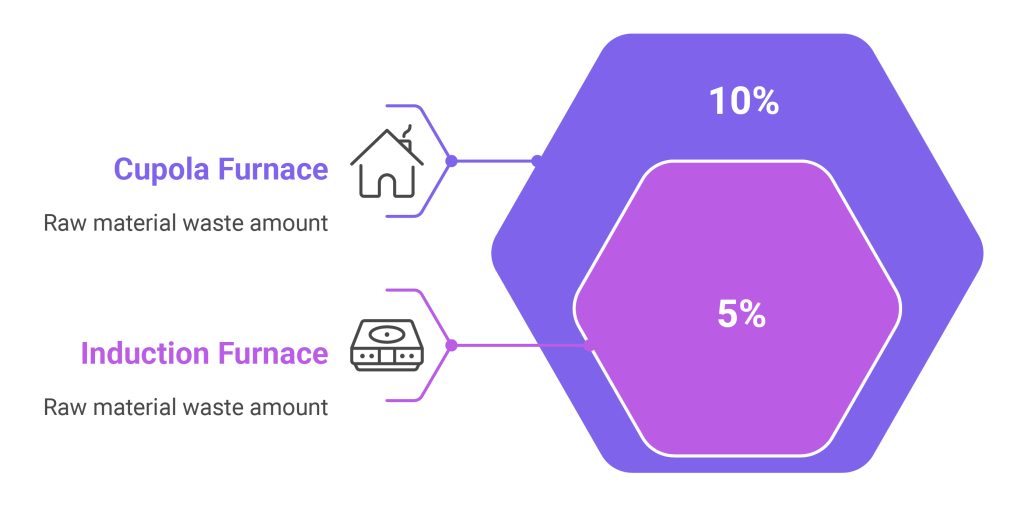
The transition from a coal-powered cupola furnace to an automated induction furnace offers a clear set of benefits. A cupola furnace produces a raw material waste of about 10% and emits approximately 550 kg of CO2 per ton of material produced. In contrast, an induction furnace reduces raw material waste to about 5% and has no direct emissions. While the cupola furnace is limited to producing cast iron and requires 250 KWh of electricity plus 100 kg of coal per ton, the induction furnace is more versatile, capable of processing steel, cast iron, aluminum, copper, and brass. It requires 1000 KWh of electricity per ton, but eliminates the need for coal and its associated costs and pollution.
The success of Sarkar Metal & Engineering is part of a larger, coordinated effort. According to A. K. M. Mahfuzur Rahman, Deputy General Manager of the Bangladesh Small and Cottage Industries Corporation (BSCIC) in Bogura, the government has long been working to address key challenges in green manufacturing. Rahman notes that these include “a significant lack of awareness among entrepreneurs about sustainable practices, insufficient legal frameworks and enforcement mechanisms, limited technical knowledge regarding clean production methods, inadequate financial capacity among microenterprises to invest in green technologies, and poor coordination between various government agencies and development partners.”
He believes the SMART project’s collaborative approach has aligned well with national goals. “Working hand-in-hand with BSCIC, the project has initiated comprehensive activities to sensitize light engineering entrepreneurs through strategic observation of national and international environmental days, targeted awareness campaigns, and regular stakeholder meetings. This approach has proven highly effective in bridging the gap between policy intentions and ground-level implementation.” Rahman adds that he is particularly impressed by how the project “ensures both work-friendly environments and green growth through targeted support mechanisms.”
The partnership behind the SMART project involves the World Bank, Palli Karma-Sahayak Foundation (PKSF), and GUK. Dr Md Mahbub Alam, Senior Director at GUK, describes this collaboration as pivotal. “The partnership with the World Bank, PKSF, and Gram Unnayan Karma (GUK) has been crucial in driving success by combining international expertise, national policies, and grassroots networks. The World Bank and PKSF provided technical guidance and ensured an effective financial mechanism, and GUK delivered community-level support. This multi-tiered model enabled comprehensive assistance ranging from awareness and training to sustainable financing reaching entrepreneurs previously excluded from traditional development programs.”
Dr Alam highlights the sustainability of RECP practices. “The outstanding economic benefits we have achieved including impressive cost reductions of 20-30% and exceptional product quality improvements create powerful momentum for widespread adoption. The dynamic peer-to-peer learning networks, exemplified by inspiring success stories like Sarkar’s foundry transformation, are generating an unstoppable wave of knowledge sharing and continuous innovation.”
Sarkar’s transformation has made his business a local leader in green industrial practices. He now shares his knowledge with other foundry owners, promoting eco-friendly methods. His vision continues to grow, as he plans to add a heat treatment plant, a metal testing lab, and a solar energy system.
GUK is working to provide financial and technical support to 1,000 microenterprises in Bagura and Naogaon districts under the ‘Promoting Sustainable Growth in Machinery and Equipment Sub-Sector through RECP Practices’ sub-project of the SMART project. With support from the government of Bangladesh and the World Bank, PKSF is implementing the SMART project across the country to support around 80,000 microenterprises in Agriculture, Manufacturing and Processing, and Service sectors within 2028. The main objective of the project is to increase resource-efficient and resilient green growth of microenterprises.
The contribution of construction sector in a country’s economic growth is undeniable. Traditionally the sector is mostly reliant on the use of bricks produced in large brick kilns that consume fertile topsoil and responsible for significant carbon emissions since it burns a lot of fossil fuel including wood and coal. This practice harms agricultural land and public health on a significant scale. The story of Md Asad Hossain Orange, an entrepreneur from Thakurgaon, provides a clear example of how strategic intervention can lead to a more sustainable and profitable business model, proving that economic development and environmental sustainability can be mutually reinforcing.
For years, Orange managed his family’s two traditional brick kilns, which provided a steady income but came at a high environmental cost. His business consumed approximately 900,000 kg of fertile topsoil and emitted 2,885 tons of CO₂ annually from coal burning. The environmental damage was significant, leading to farmer protests and the degradation of farmland. On a business level, the traditional process resulted in a low-quality product, with about 40% of bricks cracking during firing. The government also took initiatives to reduce the use of bricks, considering its negative impact on environment. Thus, he was excluded from government tenders that required eco-friendly materials, limiting his market opportunities. His primary goal was to continue his family’s business profitably while also reducing its environmental harm and becoming eligible for government contracts. He knew the negative impact of the brick kilns but could not help continuing, since he had no other options.
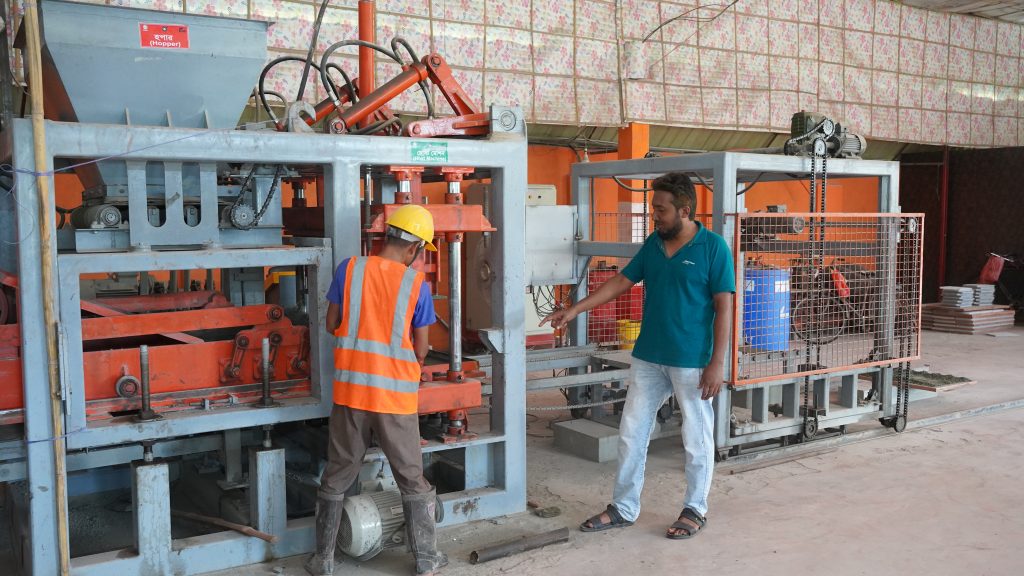
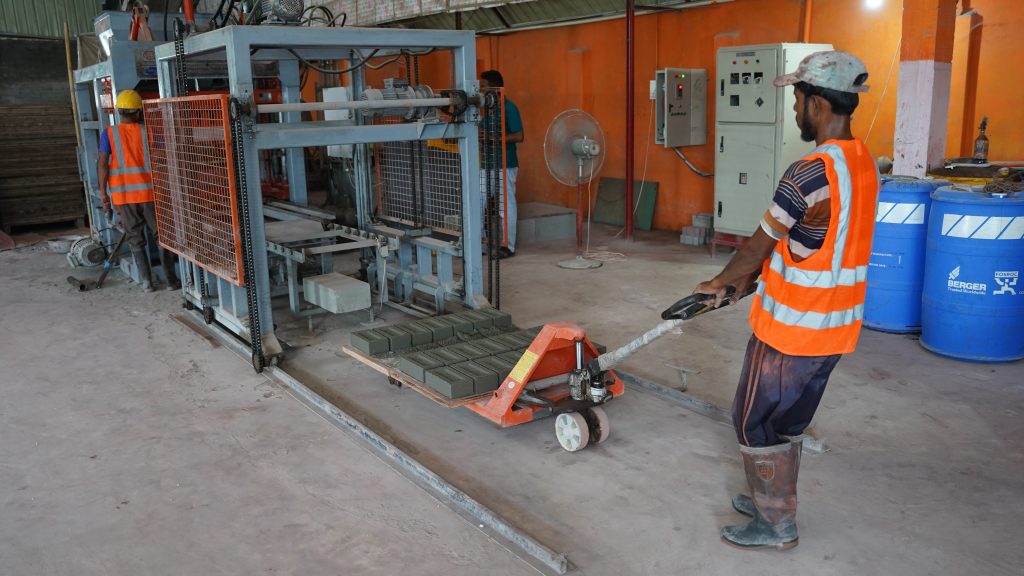
In September 2024, the ESDO SMART team visited Orange’s brick kilns and introduced him to the concept of making eco-friendly concrete blocks. This demonstration was a turning point. Realizing the extent of his business’s negative impact on the environment and immense opportunity of concrete blocks, he was motivated to join the project and transform his operations.
Through the SMART project, Orange received comprehensive financial and technical support. He took a loan of BDT 800,000 from the project and was enrolled in residential, hands-on training sessions on resource-efficient block production for himself, his technicians, and masons. The training covered advanced technologies, fire safety, and occupational health standards. He also received guidance on proper production technique, business and product certification to meet market standards.
He started block production and faced some challenges. The machines run on electricity and the raw materials are not so cheap. So, the profit margin was not up to his expectation. The SMART project officials, introduced him with Resource-Efficient and Cleaner Production (RECP) practices.
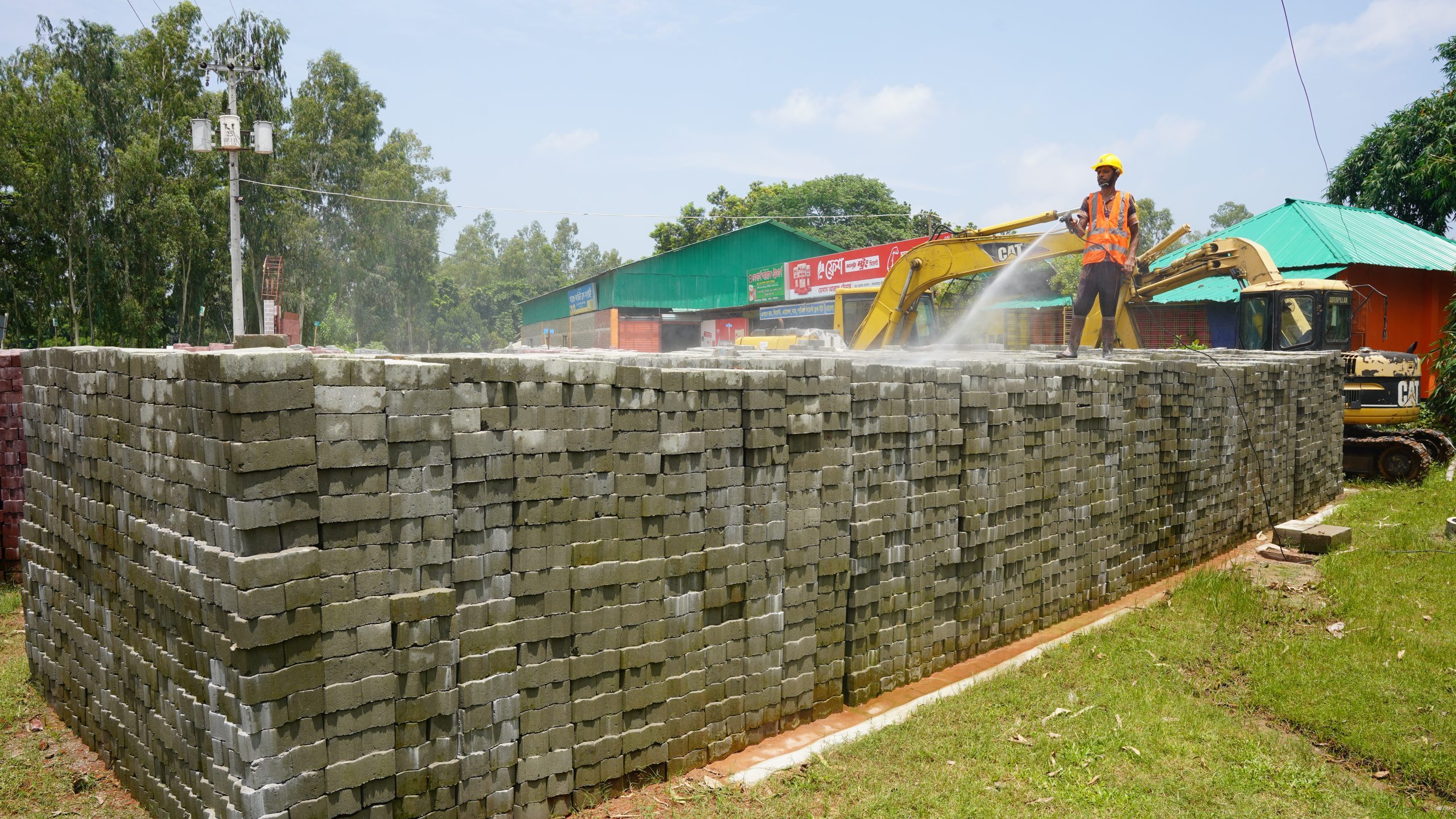
Orange implemented several RECP technologies and practices. He installed a Power Factor Improvement (PFI) system to reduce electricity consumption, built a Dyke Wall storage for raw materials to minimize air emissions, and created a wastewater recharge pit to reuse water instead of discharging it. These changes led to significant results: his electricity bills dropped by 30%, raw material waste was reduced by 15%, and 20,000 liters of water were reused monthly.
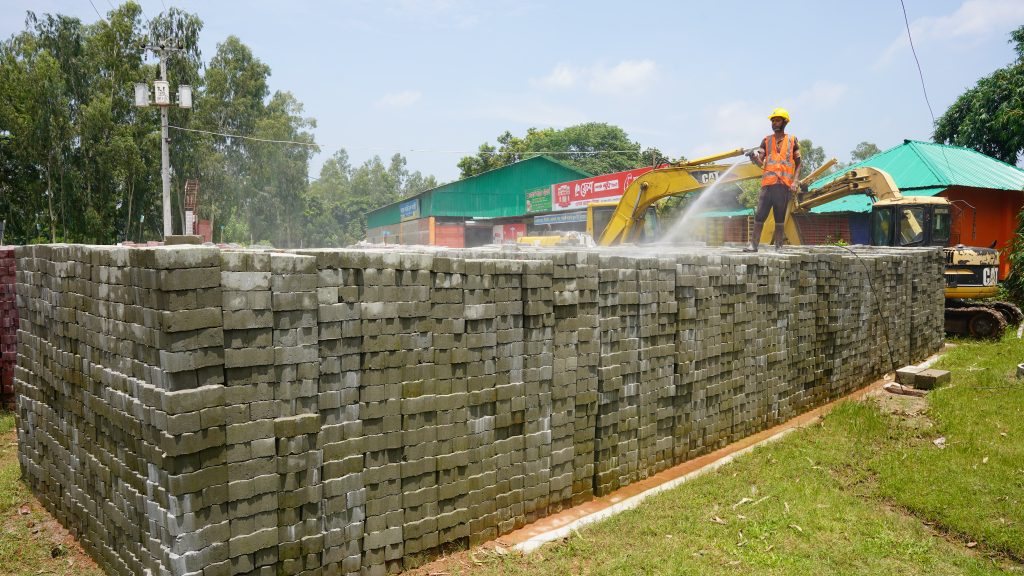
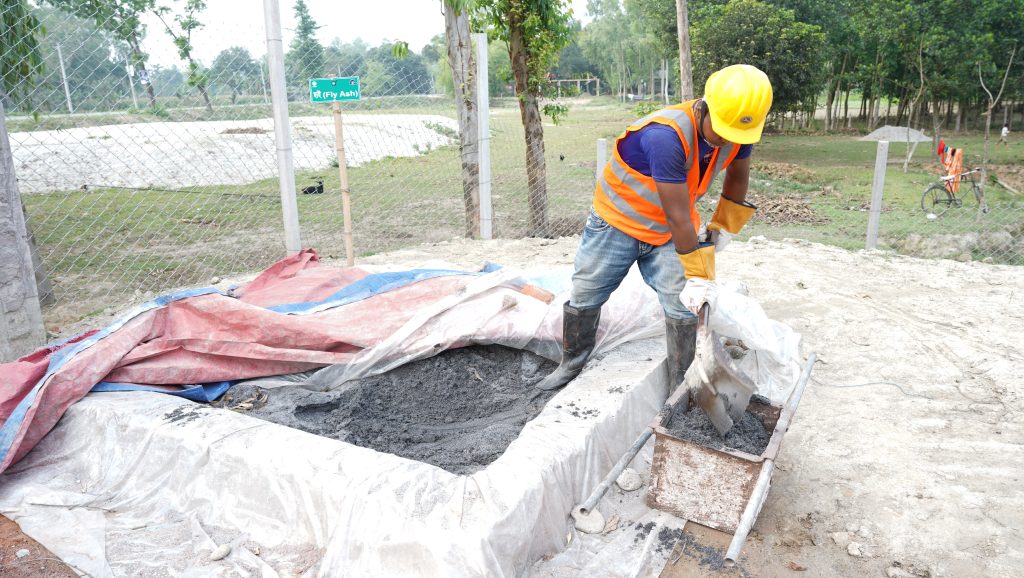
Most importantly, his transition to concrete blocks now saves over 4,300 tons of topsoil annually compared to traditional brick kilns.
Beyond the numbers, the impact has been personal and communal. Orange no longer feels the guilt of harming the environment. He notes that air quality has improved, and farmland has been restored, allowing his neighbors to resume farming, with one neighbor recently harvesting 40 mounds of rice. His workers now enjoy safer conditions and improved health.
The success of Orange’s business is a direct result of a strategic collaboration. As Engineer Nazmul Haque, Assistant Engineer at the Public Works Department (PWD) in Thakurgaon, notes, the SMART project created a breakthrough by combining World Bank financing with technical support for RECP. “The transition of Orange Concrete Block Factory alone now saves over 4,000 tons of topsoil every year, and this successful model is already being scaled up in several districts under the National Adaptation Plan 2050,” Haque stated.
The Executive Director of ESDO, highlighted the vision behind the project, “For years, Bangladesh’s construction sector relied on traditional brick kilns — consuming fertile topsoil, emitting carbon, and harming communities. This was not sustainable for our farmers, our workers, or our environment. Today, they are not just producing blocks, they are producing hope, resilience, and sustainability.” He stated that the World Bank provided strategic guidance and financing, while PKSF ensured accountability and strong coordination. This synergy allowed ESDO to effectively channel resources to entrepreneurs, empowering them to adopt new technologies and access markets.

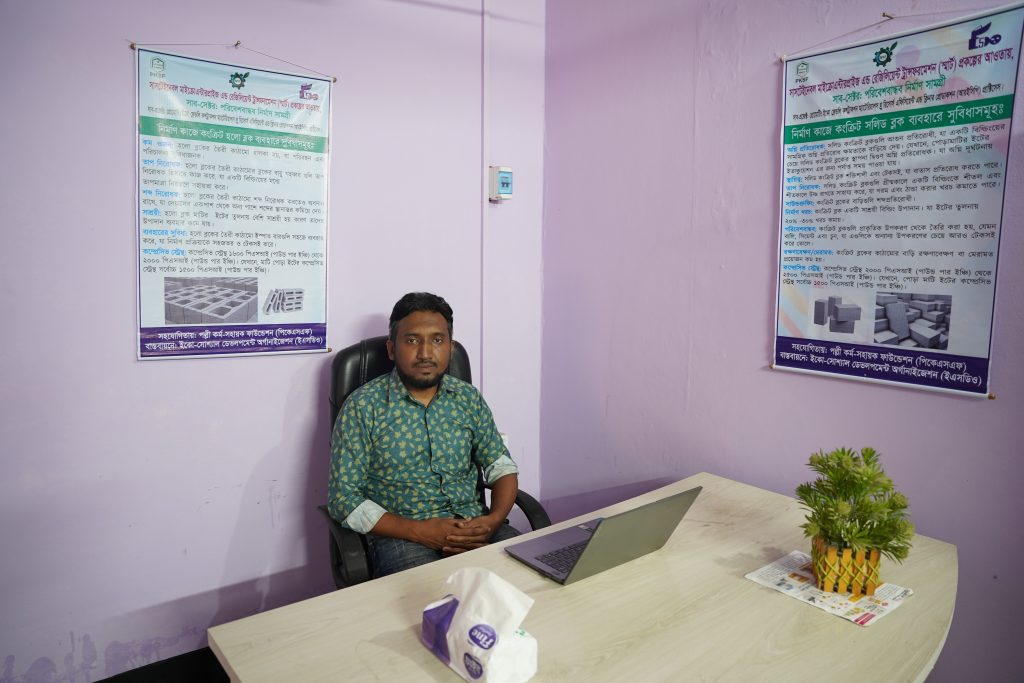
The SMART project has shown that addressing a pressing challenge like balancing urbanization with climate resilience is possible through an integrated approach. The project’s success is driven by its combination of training, technology adoption, and market linkages. By providing policy support, financial access, and technical guidance, it has reduced the barriers for entrepreneurs to adopt green business models.
Orange now aims to scale up his eco-friendly block production and expand into wider markets. He plans to continue adopting innovative RECP practices to strengthen the sustainability of his business. The project’s results, visible in Orange’s transformation, suggest that with sustained support, these eco-friendly practices can move from a pilot to the new standard for Bangladesh’s construction sector.
ESDO is working to provide financial and technical support to 1,200 microenterprises in eight districts in the northern region. However, two other Partner Organizations supporting a total of 600 block-producing microenterprises through similar sub-projects of the SMART project in the southern parts of the country. With support from the government of Bangladesh and the World Bank, PKSF is implementing the SMART project across the country to support around 80,000 microenterprises in Agriculture, Manufacturing and Processing, and Service sectors during within 2028. The main objective of the project is to increase resource-efficient and resilient green growth of microenterprises.
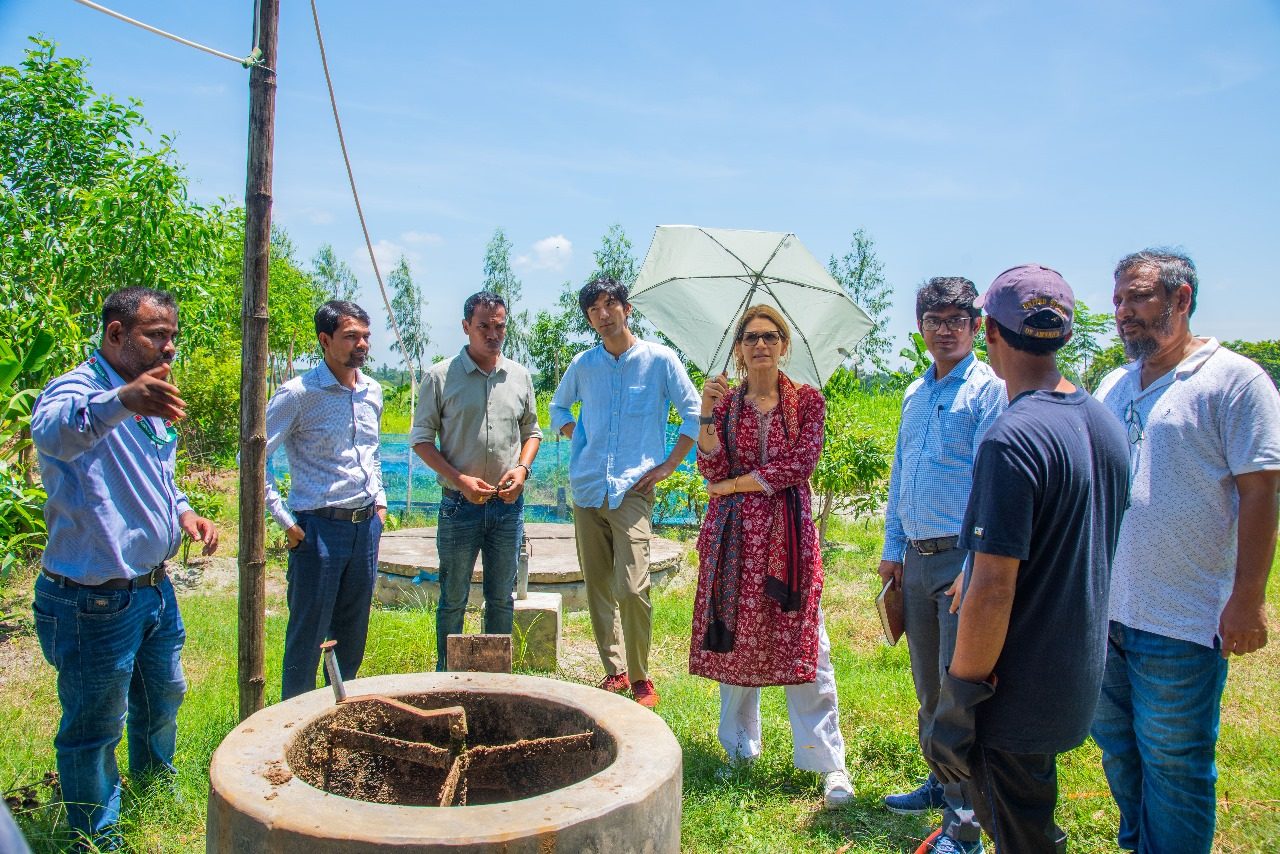
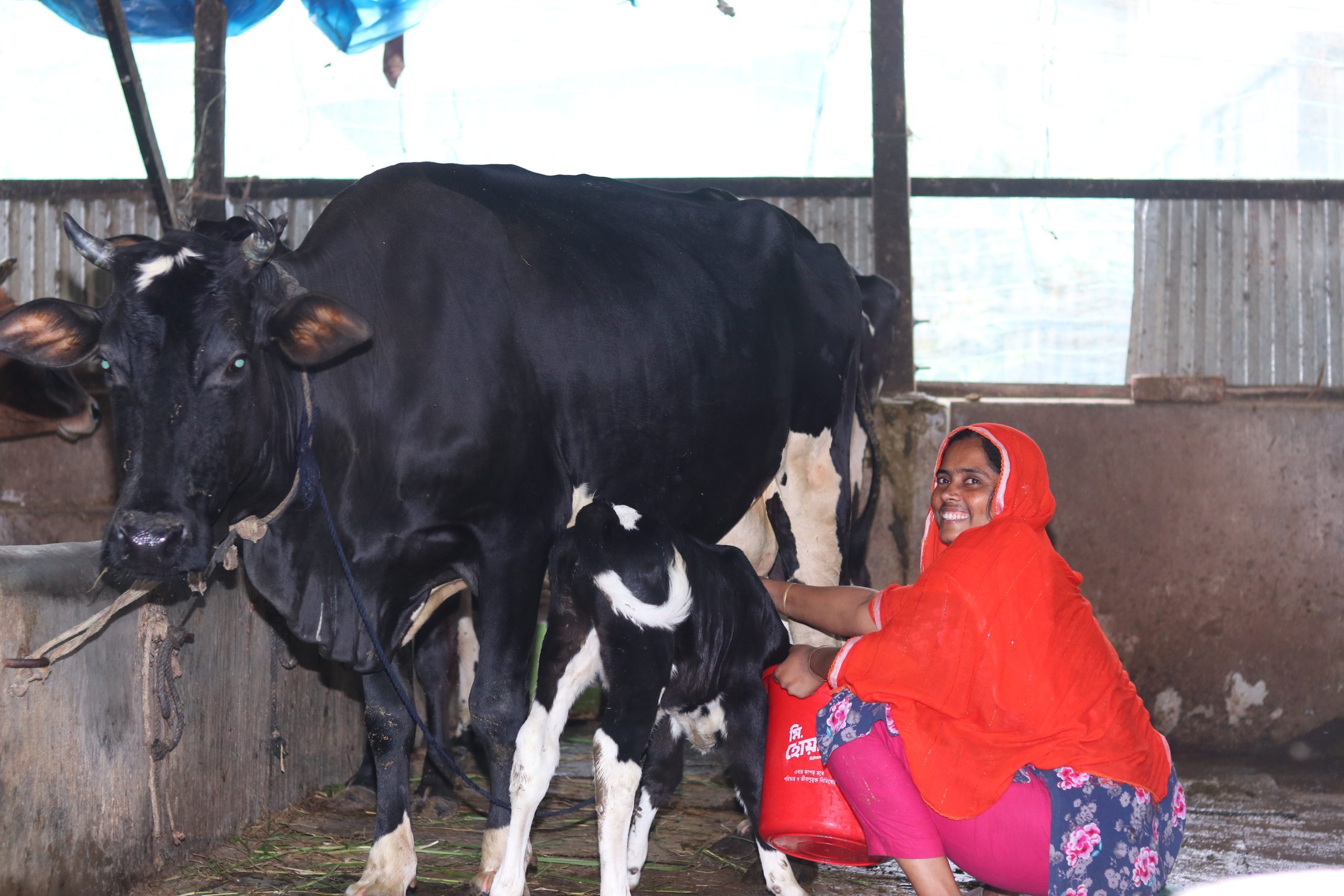
The sky over Rasulpur village in Bhola district was a canvas of soft, cotton-like clouds, a gentle reminder of the recent rain. The path to Sajeda Khatun’s tin-shed home was muddy, but the journey revealed a story of transformation. We walked down the road to meet Sajeda Khatun. At 42, she is a dedicated dairy farmer and a member of SMART project’s Cattle and Buffalo sub-sector, and has turned challenges into triumphs with strategic support from the project.
Before joining the SMART project, Sajeda faced daily struggles in managing her 14 cattle, including 8 milch cows that produced around 60 liters of milk daily. She needed 360-370 kg of fodder, but a significant 30-40 kg went to waste each day because she had to manually chop it. Her reliance on purchasing expensive concentrated feed from the local market further squeezed her profits. The process was labor-intensive, costly, and inefficient.
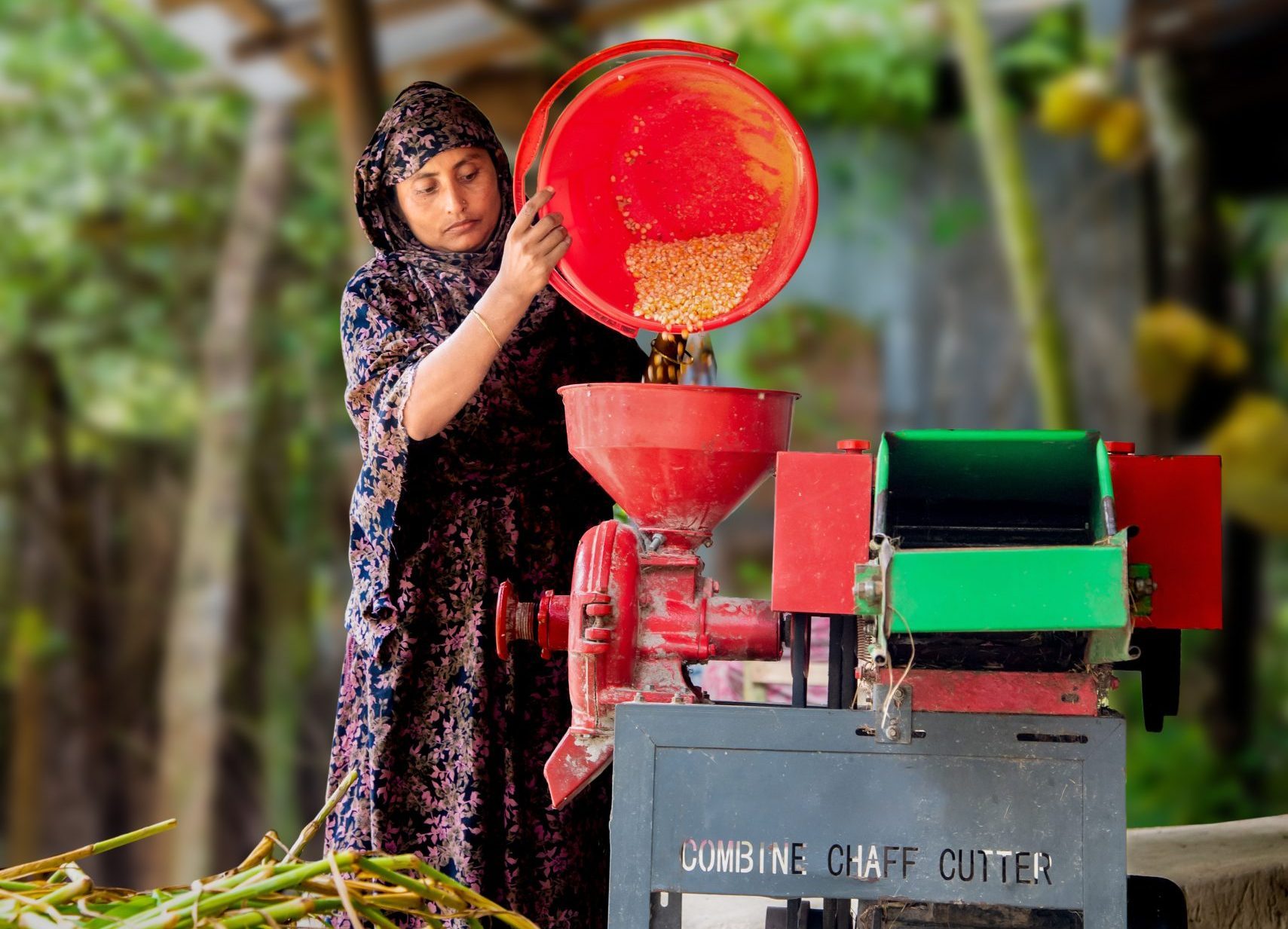
Recognizing her potential and need for sustainable practices, the SMART project provided Sajeda with a BDT 1 lakh loan and a small grant. This crucial assistance enabled her to adopt two key Resource-Efficient and Cleaner Production (RECP) practices: self-processing feed using a multifunctional feed processing machine and waste disposal pit. She invested in a modern feed processing machine and installed a waste disposal pit.
The impact was immediate and profound. “I used to buy over 360 kg of fodder every day, and more than 40 kg was wasted because I had to cut it by hand,” Sajeda explained, her voice now filled with relief. “Now, with the processing machine, there’s virtually no waste. Plus, I don’t have to buy concentrated feed anymore; I make it myself, saving about BDT 15 per kg!”
This simple yet effective change drastically reduced her daily fodder use to about 330 kg, with minimal wastage. By crushing her own concentrate feed, she saves BDT 10-15 per unit. These savings, coupled with reduced labor and time, have significantly boosted her farm’s profitability and given her more time to manage her household, which includes her husband, two sons, and one daughter.
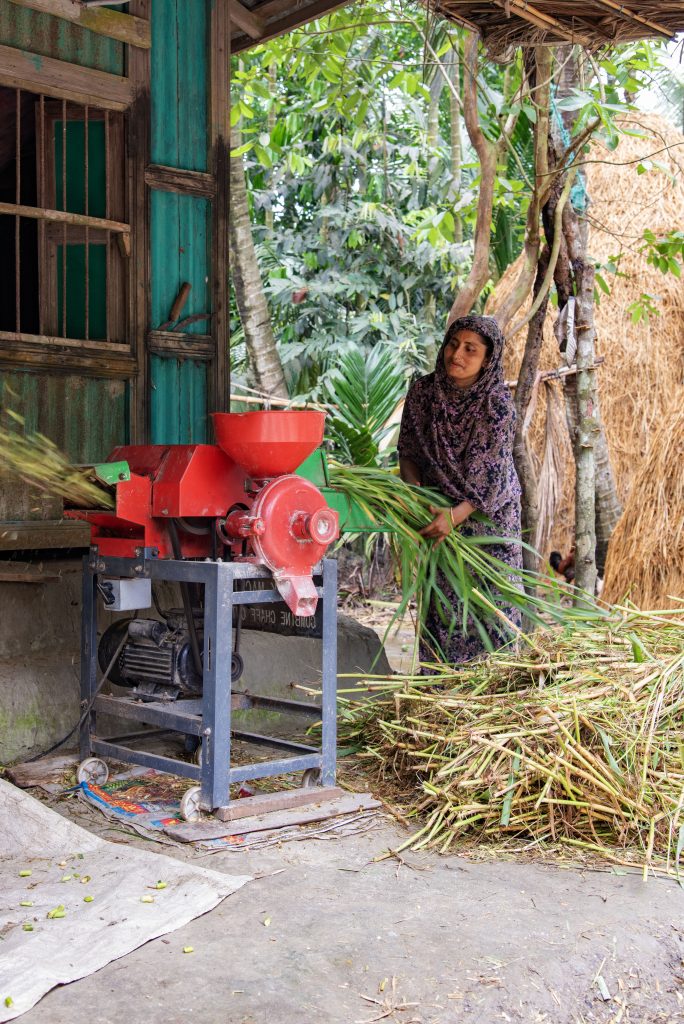
Sajeda’s farm now stands as a model of efficiency. Her ability to produce most of her feed on-site has made her less vulnerable to market price fluctuations. In an inspiring display of entrepreneurial spirit, she also offers fodder chopping and feed grinding services to other farmers in Rasulpur, generating additional income and strengthening community ties.
Looking ahead, Sajeda Khatun is filled with aspirations. She hopes to expand her herd of milch cows and invest in advanced dairy machinery, such as milking machines, to further enhance her farm’s productivity. Her journey from a struggling farmer to a successful, environmentally conscious entrepreneur highlights the transformative power of targeted interventions and the resilience of individuals like Sajeda, who are building a greener, more prosperous future for themselves and their community.
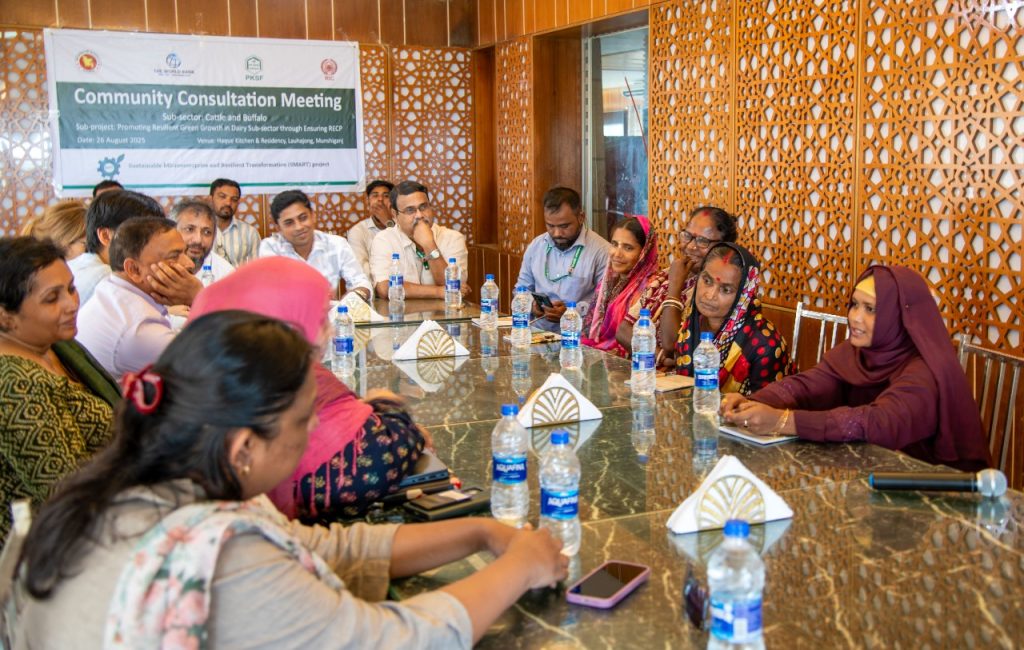
Ann Jeannette Glauber, Practice Manager for Environment and Natural Resources at the World Bank’s East Asia and the Pacific Region, lauded the SMART project for its ‘innovative’ initiatives in promoting Resource-Efficient and Cleaner Production (RECP) practices in microenterprises (MEs). Her comments came during a community consultation meeting on 26 August 2025, in Munshiganj, following a visit to several microenterprises in the district’s Louhajong upazila.
Resource Integration Centre (RIC) organized the meeting under ‘Promoting Resilient Green Growth in Dairy Sub-sector’ sub-project of the SMART project. It brought together delegates from the World Bank, PKSF, RIC, and the Upazila Livestock Officer to engage directly with 11 local micro-entrepreneurs. During the discussion, the entrepreneurs expressed satisfaction with the financial and technical support they are receiving. To them, RECP is a new concept which helps conserve the environment as well as ensure optimum use of thier resources. They also expressed their desire for continued assistance to expand their businesses and diversify their products.
The World Bank delegates, including SMART project Task Team Leader Keisuke Iyadomi and Senior Environmental Specialist Kirtan Chandra Sahoo, Senior Private Sector Specialist Hosna Ferdous Sumi, Environmental Specialist Bushra Nishat, visited cattle-rearing microenterprises to observe the RECP practices and its benefits firsthand. Gokul Chandra Biswas, Project Coordinator of the SMART project, AKM Zahirul Haqeu, Deputy Project Coordinator of the SMART project, Dr Shemol Chandra Podder, Upazila Livestock Officer of Lowhajang, and Alauddin Khan, General Manger of RIC, and other officials of PKSF and RIC were present during the meeting.
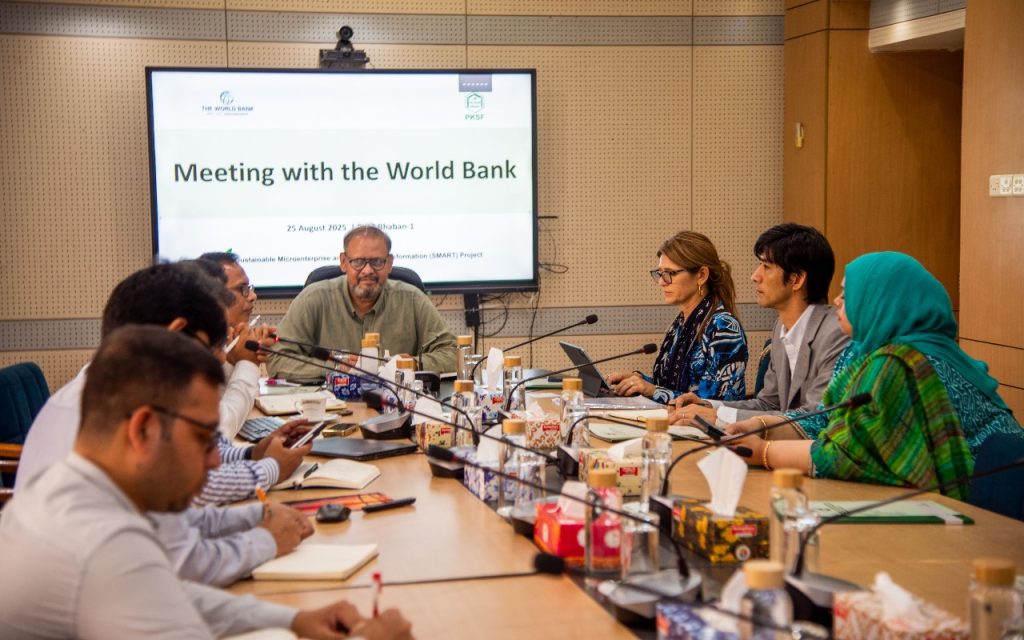
The day before the field visit, a courtesy meeting was held at PKSF with Ms Glauber, presided over by PKSF Deputy Managing Director Md Mashiar Rahman. He highlighted PKSF’s commitment to integrating RECP practices into its core programs and acknowledged the long-standing partnership with the World Bank. Ms Glauber, in turn, stressed the potential impact the SMART project can create through appropriate financing.
RIC, as a Partner Organizaiton of PKSF, is providing financial and technical support to the MEs in ‘Cattle and Buffalo’ sub-sector with a target of reaching 1,200 in Munshiganj district under one of the sub-projects of the SMART project. PKSF is implementing the SMART project across the country to support around 80,000 microenterprises in Agriculture, Manufacturing and Processing, and Service sectors within 2028. The main objective of the project is to increase resource-efficient and resilient green growth of microenterprises.
Keisuke Iyadomi, the new Task Team Leader (TTL) from the World Bank of the SMART Project, visited Rangpur on 17 July 2025, to observe field activities, with a particular focus on the project’s environmental impact. He took on the role of TTL earlier this month.
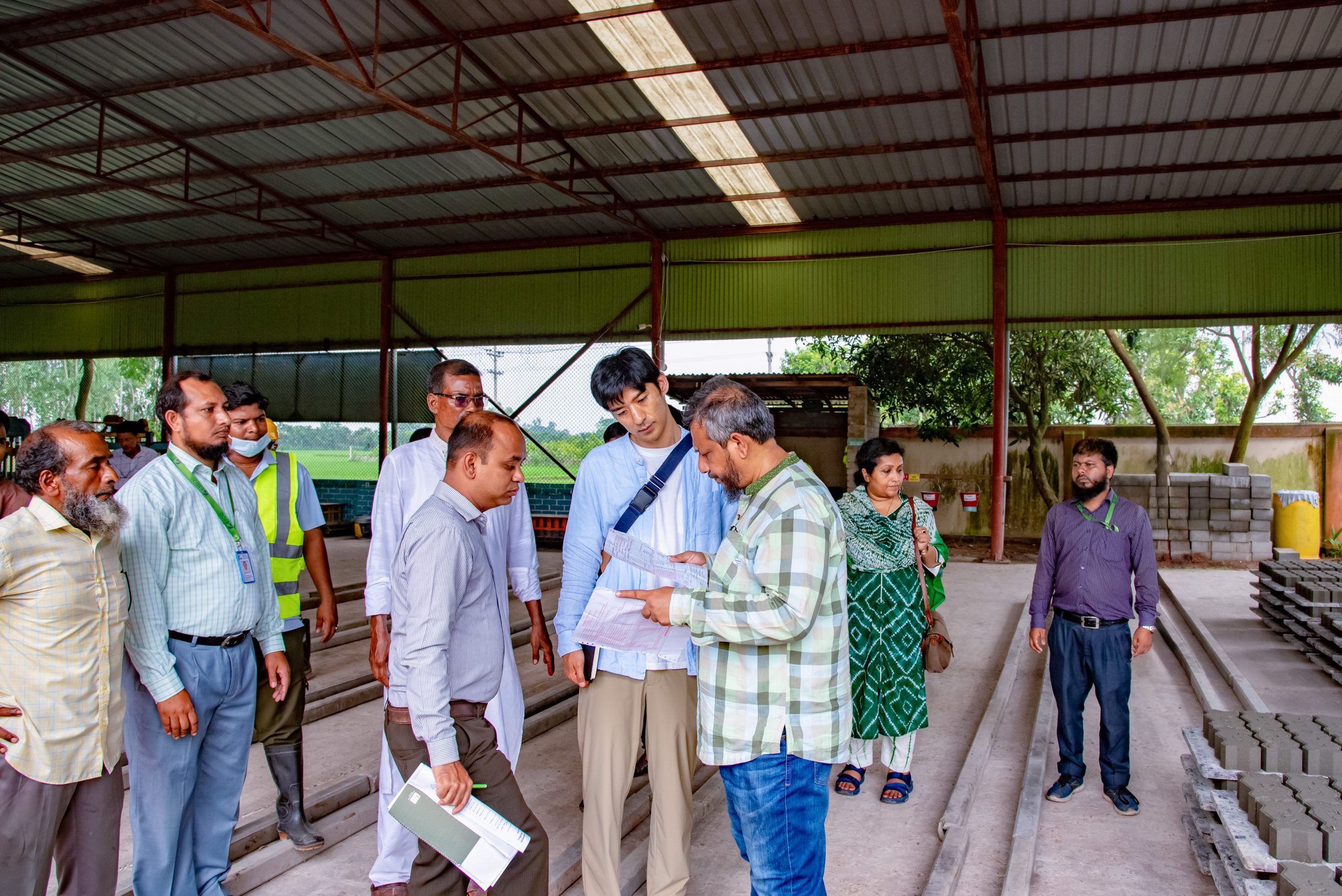
During his visit, Keisuke Iyadomi and his team explored three eco-block production centers in Rangpur Sadar upazila. These factories, supported by the SMART project, are promoting eco-friendly construction materials through Resource-Efficient Cleaner Production (RECP) practices.
Bushra Nishat, Environmental Specialist, The World Bank; Gokul Chandra Biswas, Project Coordinator of the SMART project; A.K.M. Zahirul Haque, Deputy Project Coordinator of the SMART project, among others, were also present during the visit. The visitors exchanged views with the micro-entrepreneurs of the ‘Eco-friendly Construction Materials’ sub-sector and the sub-project team in Rangpur.
“As the new TTL for the project, this is my first visit to see the activities in the field under the SMART project,” stated Keisuke Iyadomi. He emphasized on the environmental benefits, adding, “The production and use of environment-friendly blocks will protect the top soil of the land, reduce carbon emissions, increase the yield of the crop, and have positive effects on climate change.”
The ‘Promoting Eco-Friendly Construction Materials through Resource Efficient Cleaner Production’ sub-project, implemented by the Eco-Social Development Organization (ESDO) under the SMART project, aims to reduce environmental degradation caused by traditional construction methods by introducing sustainable alternatives.
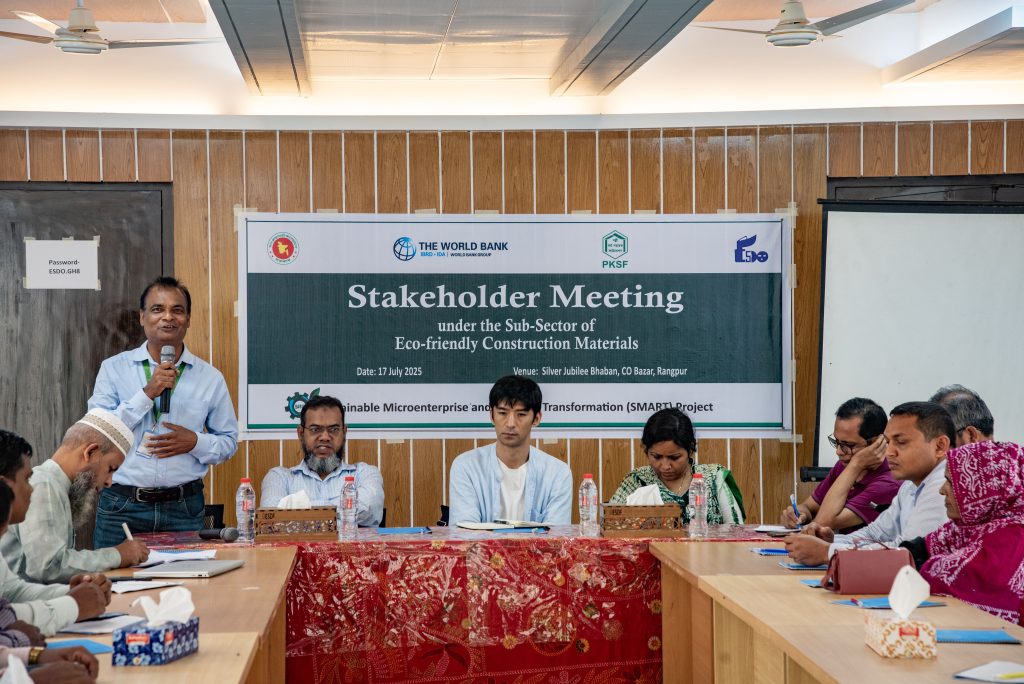
Micro-entrepreneurs in Rangpur are now focused on product diversification within the construction materials sector. They expressed aspirations to expand into high-quality eco-block production while following the environmental and waste management protocols. This vision, they noted, hinges on receiving financial and technical support.
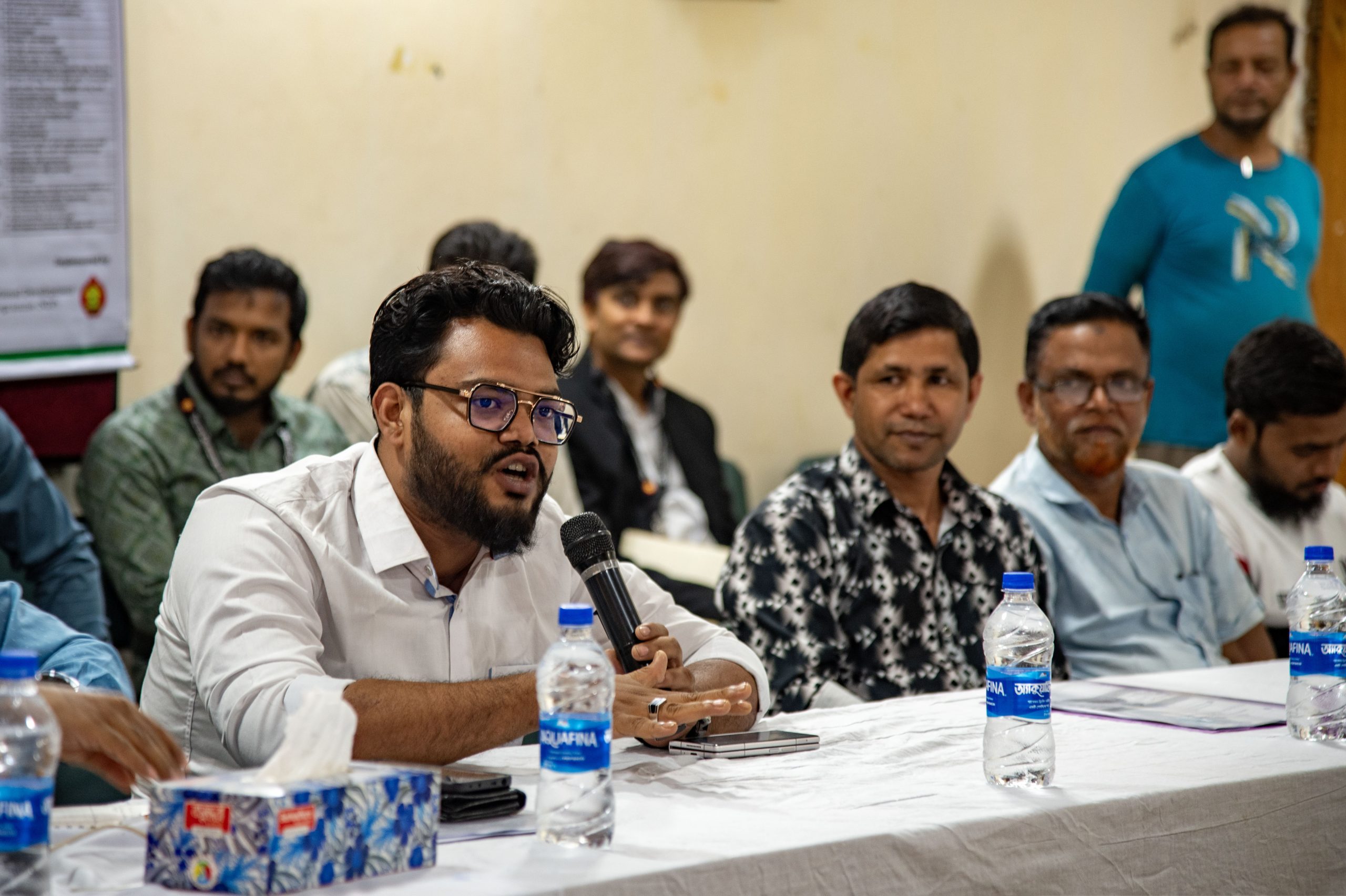
This discussion took place during a workshop organized by ESDO at their office in Rangpur. The event provided a vital platform for local micro-entrepreneurs to discuss the adoption of new technologies, resource-efficient and cleaner production methods, as well as associated challenges and possibilities.
The workshop was presided over by Gokul Chandra Biswas, where Keisuke Iyadomi spoke as the Chief Guest. Attendees included eight micro-entrepreneurs, several contractors, government officials from the Department of Environment (DoE) and Public Works Department (PWD), teachers from Hajee Mohammad Danesh Science and Technology University, and other relevant stakeholders.
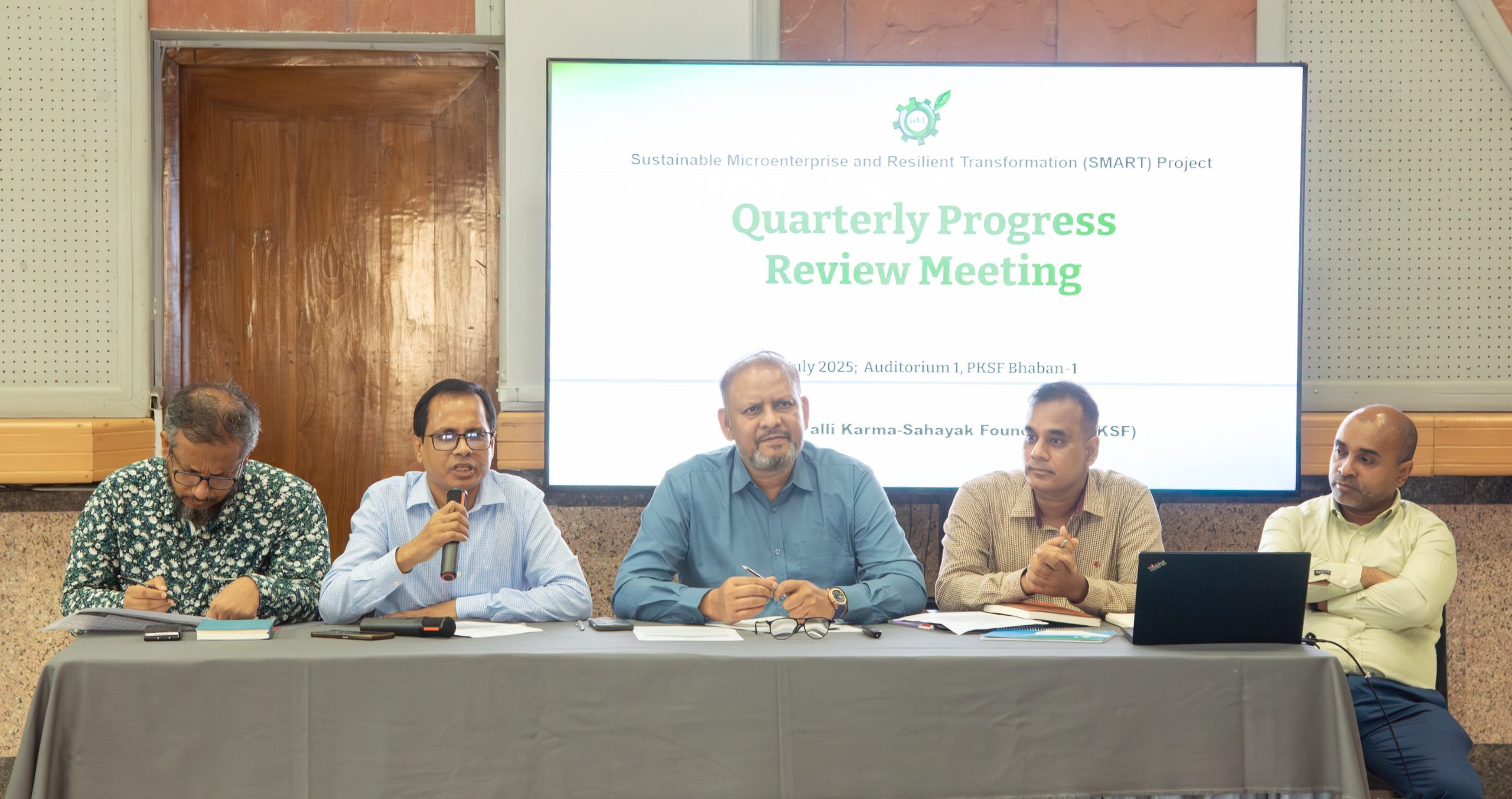
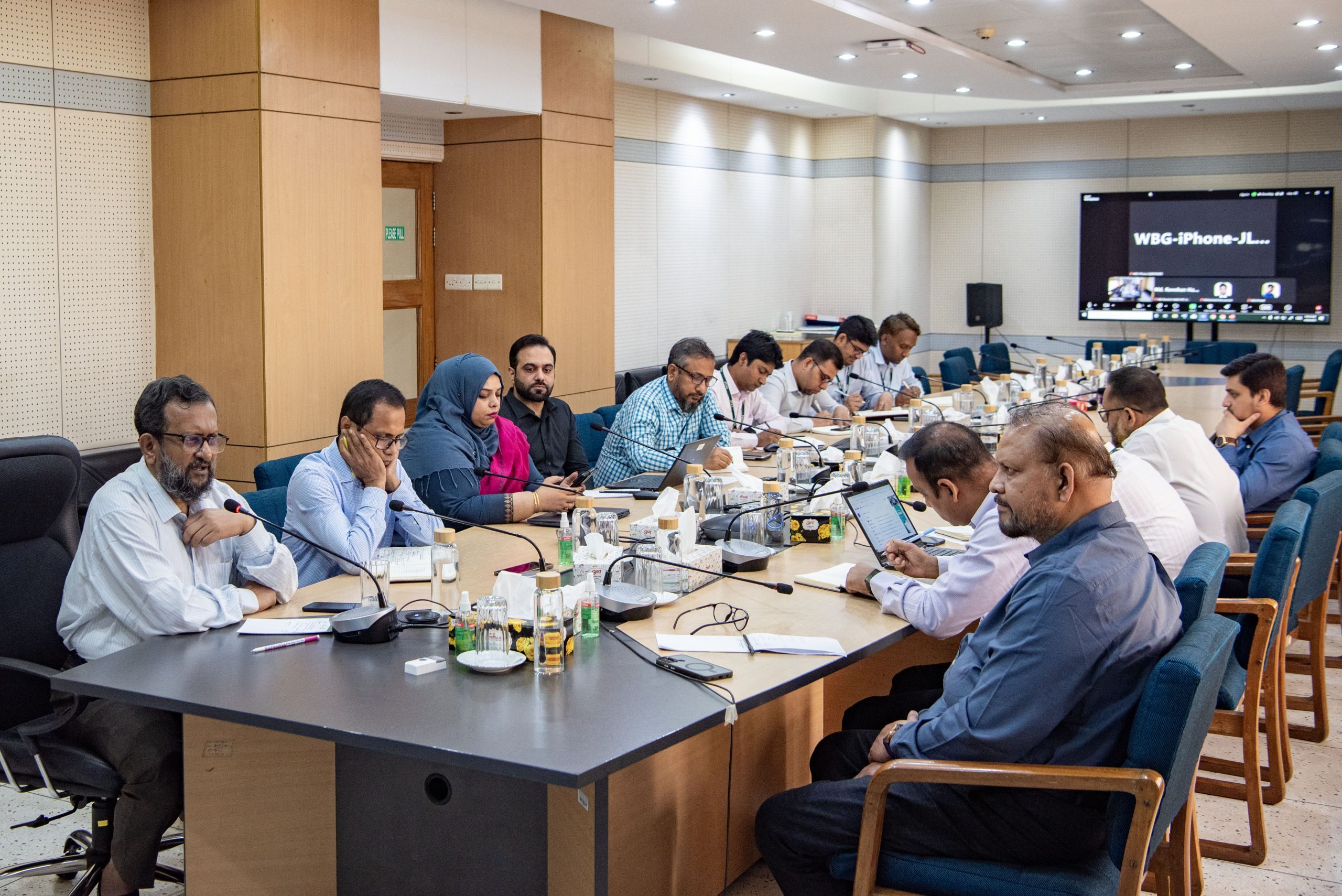
The Sustainable Microenterprise and Resilient Transformation (SMART) project concluded a five-day Quarterly Progress Review meeting on 31 July 2025. The meeting, which commenced on 27 July, brought together SMART project officials and 150 representatives from 41 Partner Organizations currently implementing 50 sub-projects across the country.
PKSF’s Deputy Managing Director Md Mashiar Rahman presided over the inaugural session, emphasizing the unique approach of the SMART project. “In addition to the overall development review, the progress of each individual microenterprise will also be evaluated in this project,” stated Md Mashiar Rahman. He highlighted the critical importance of all micro-entrepreneurs embracing Resource-Efficient and Cleaner Production (RECP) practices and urged partner organizations to swiftly achieve their member targets.
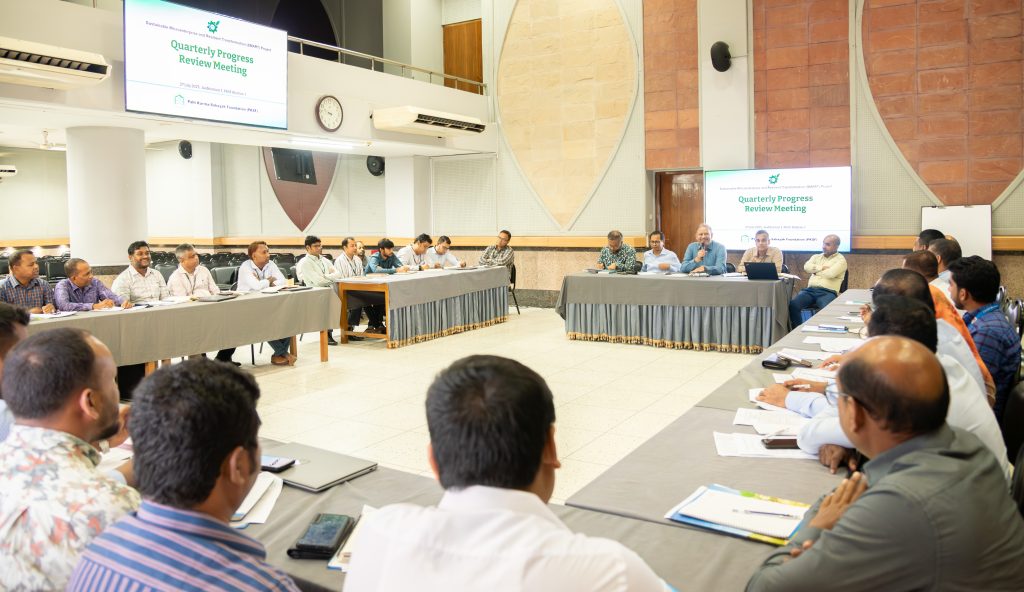
Project Coordinator Gokul Chandra Biswas delivered the opening speech, highlighting the long-term vision. “A microenterprise today holds the potential to become a large enterprise in the future,” he remarked. “Therefore, generating ‘green growth’ within these initiatives will yield significant benefits for us down the line.”
Throughout the review meeting, sub-project implementing POs presented on the updates on their respective sub-projects, along with insights into the challenges came across during implementations.
The SMART is a five-year project aimed at fostering green growth in microenterprises by ensuring climate-resilient RECP practices. The project is set to support approximately 80,000 micro-entrepreneurs by 2028.
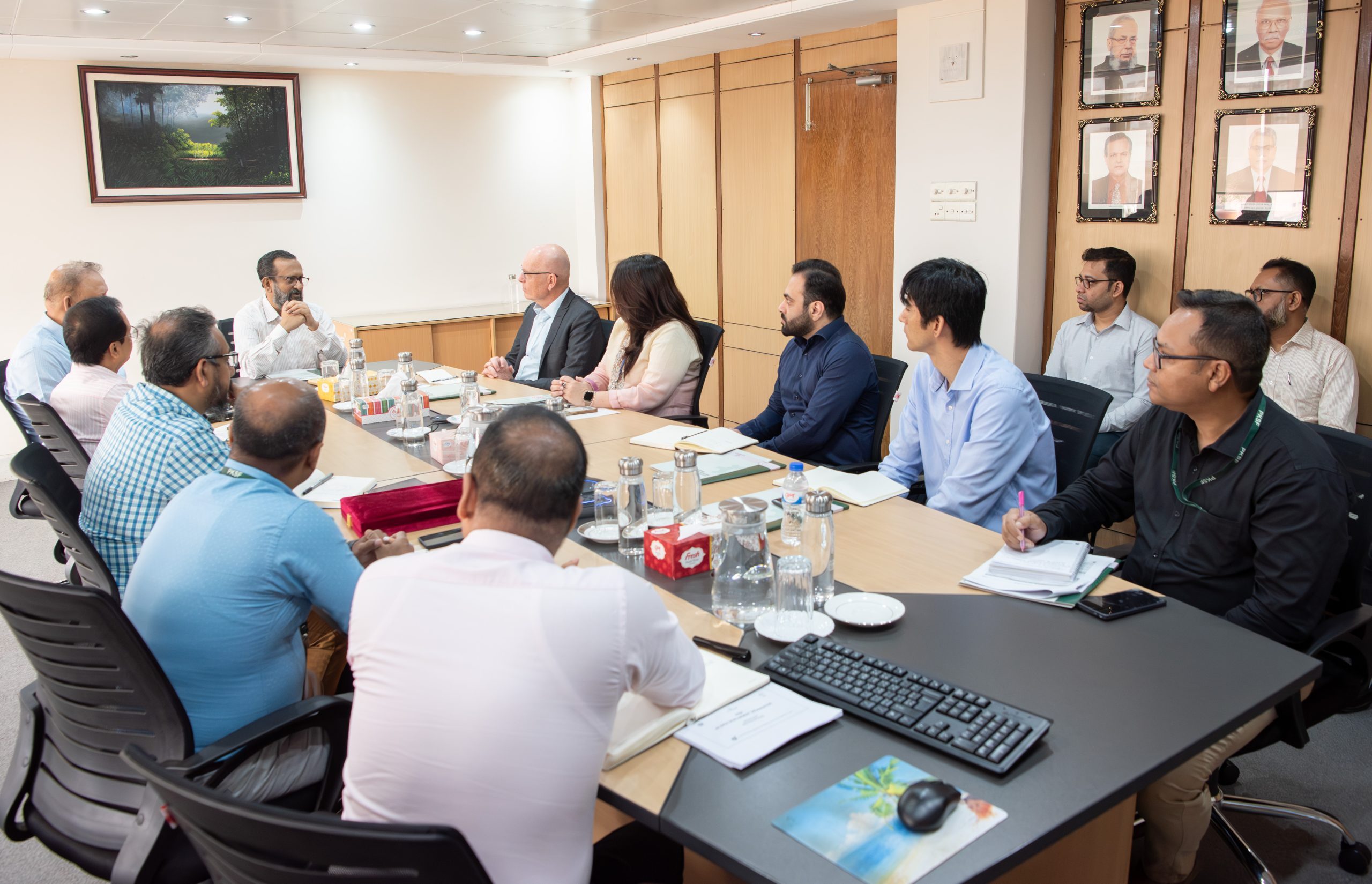
Christian Peter, Practice Manager of Environment, Natural Resources, and Blue Economy at the World Bank, paid a courtesy visit to the Palli Karma-Sahayak Foundation (PKSF) on Wednesday, 14 May 2025. A courtesy meeting was held between him and the Managing Director of PKSF Md Fazlul Kader. The Project Management Unit (PMU) of the Sustainable Microenterprise and Resilient Transformation (SMART) project informed the progress of the project during the meeting.
During the discussion, PKSF Managing Director Md Fazlul Kader highlighted the multifaceted benefits of the SMART project. He stated that the SMART is a project where we are prioritizing resource efficiency, green growth, and climate resilience of the microenterprises (MEs). By adopting resource-efficient technologies, MEs can achieve significant cost savings. Furthermore, our introduction of the zero-waste approach empowers them to minimize waste generation and maximize its utility by transforming it into resources and adding value. Our field observations indicate that MEs can command better prices by enhancing the value of their offerings. Importantly, MEs create employment opportunities not only for those directly involved but also for many others in backward and forward linkages. This is why investment in microenterprises is bringing a great result for the country.
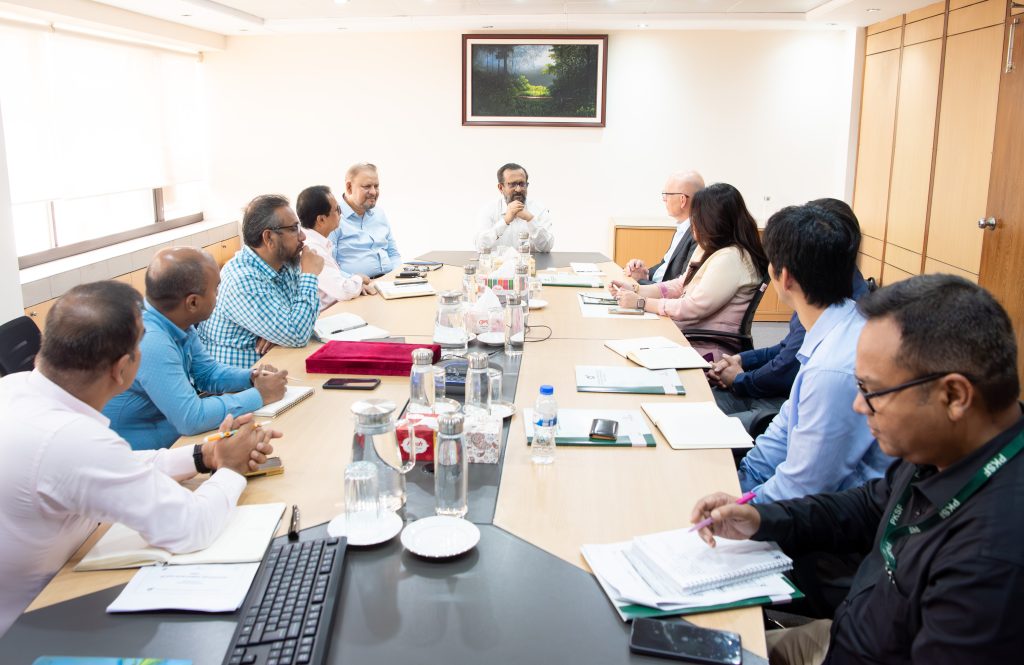
Acknowledging the comprehensive impact of the SMART project, Mr Peter concurred with Mr Kader’s assessment. He affirmed the World Bank’s commitment, stating, “We should put necessary emphasis on the value chain where the best results can be achieved.” Both of them recognized the enduring partnership between the World Bank and PKSF and reaffirmed their commitment to continued collaboration in the future.
The meeting also served as an opportunity for the current World Bank Task Team Leader (TTL) for the SMART project Eun Joo Allison to introduce Keisuke Iyadomi, who will assume the role of the new TTL on behalf of the World Bank starting in July 2025. PKSF MD thanked Ms Allison for her continued support during the tenure and expressed his expectation for the same in the future.
Deputy Managing Director of PKSF Md Mashiar Rahman, and Project Coordinator of the SMART project Gokul Chandra Biswas, among others, were also present in the meeting where Md Rawshan Habib, Deputy Project Coordinator of the SMART project, made a presentation on the SMART project and its activities.
Jharna Akter (46), a dedicated entrepreneur from Kabutar Khola village in Srinagar, Munshiganj district, has proven that even the toughest obstacles can be overcome with the right approach and technology. Despite her long experience in cattle rearing, she faced severe social discontent and harsh reality due to poor waste (cow dung) management on her farm. With support from PKSF’s Sustainable Microenterprise and Resilient Transformation (SMART) project, Jharna has transformed her farm into a clean, profitable, and socially acceptable model.
Today, Jharna’s farm houses 12 cows, producing about 60 liters of milk daily, which serves as the main source of income for her family. Previously, she used to store cow dung beside the farm, causing the pond next to it to overflow into neighboring paddy fields. Located by the roadside, her farm’s waste created unbearable stench and environmental pollution. Eventually, complaints from neighbors and an order from the local union council chairman forced Jharna to consider shutting down her farm.
In this critical situation, a new opportunity emerged when she connected with the officials of the SMART project, implemented in the field by Resource Integration Center (RIC), a PKSF Partner Organization. Through them, she learned about the project’s Resource-Efficient and Cleaner Production (RECP) practices and how efficient resource use and improved waste management could make her farm sustainable and environmentally friendly.
Beginning of a new chapter: After joining the SMART project, the sub-project officials facilitated a solution by arranging for Md Mobarak Hossain, a local organic fertilizer producer, to purchase the dung from Jharna’s farm. Jharna shared, “The dung that almost forced me to shut down my farm is now being sold for money — something I never imagined. I learned from the project officials that Mobarak Hossain produces organic fertilizer commercially and sells it both locally and nationally.”
Inspired by this new income opportunity, Jharna decided to venture into organic fertilizer production herself. She took a loan of BDT four lakh from the Partner Organization under the SMART project. With project support, she established a biogas plant, a waste pit, and a vermicompost unit on her farm. She now uses biogas for cooking, and waste management is no longer an issue.
Additionally, she installed transparent sheets on the roof to reduce electricity costs, introduced net ventilation to improve indoor air quality, and fitted nozzles and foggers to ensure moderate water usage. These measures have significantly reduced the wastage of electricity, water, and fodder, while lowering environmental pollution. Consequently, her farm has maintained business growth while preserving environmental sustainability.
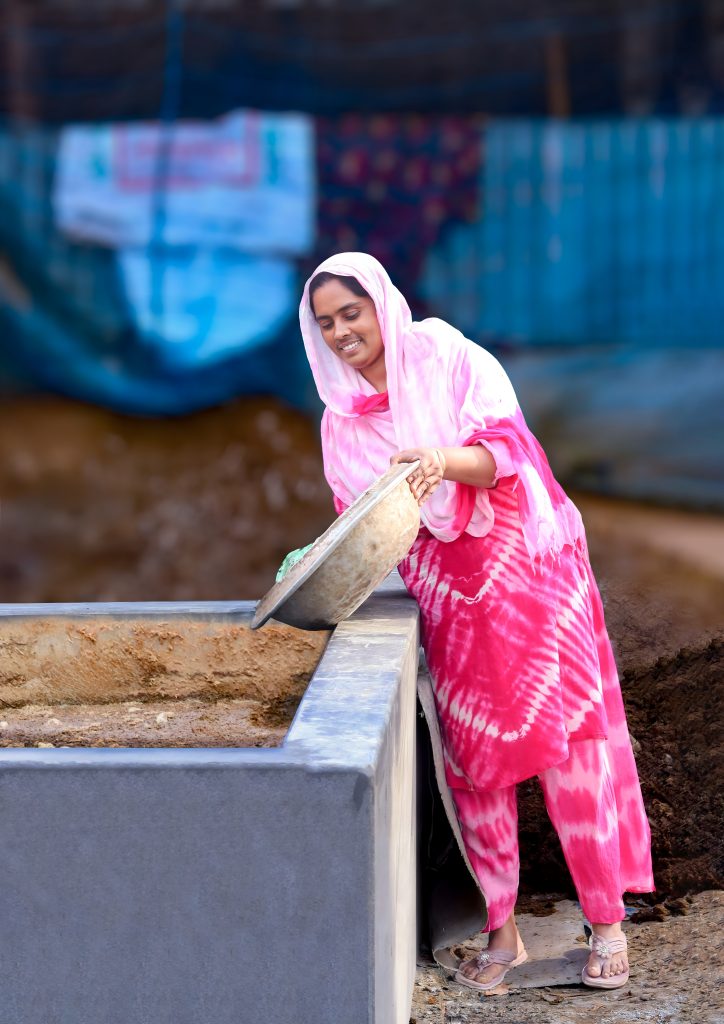
Taste of success: These interventions have not only reduced operational costs but also significantly boosted Jharna’s income. With further support from the SMART project, the health of her livestock has improved through regular balanced feeding, timely vaccinations, and deworming.
Seeing her success, other farmers in the area are now eager to adopt RECP practices, reinforcing the potential for a cleaner, more sustainable agricultural sector. Jharna proudly says, “The dung that almost closed my farm is now my source of income!”
Jharna Akter’s journey is more than just the transformation of a farm — it stands as a testament to how the right support and awareness can turn challenges into opportunities. Today, her farm shines as a model of clean and sustainable production.
The Financial Institutions Division (FID) and the World Bank commended the impressive progress of the Sustainable Microenterprise and Resilient Transformation (SMART) project during the concluding session of the World Bank’s Implementation Support Mission (ISM). The wrap-up session took place on 20 April 2025 at PKSF Bhaban-1, marking the end of the mission that began on 8 April.
Task Team Leader of the SMART project, Eun Joo Allison, express the World Bank’s satisfaction with the project’s progress at the wrap-up session of the meeting chaired by Md Ahsan Kabir, Additional Secretary of the FID. Md Ahsan Kabir also echoed his appreciation for the achievements made under the project. A similar note of encouragement was shared during an earlier session chaired by PKSF Managing Director Md Fazlul Kader.
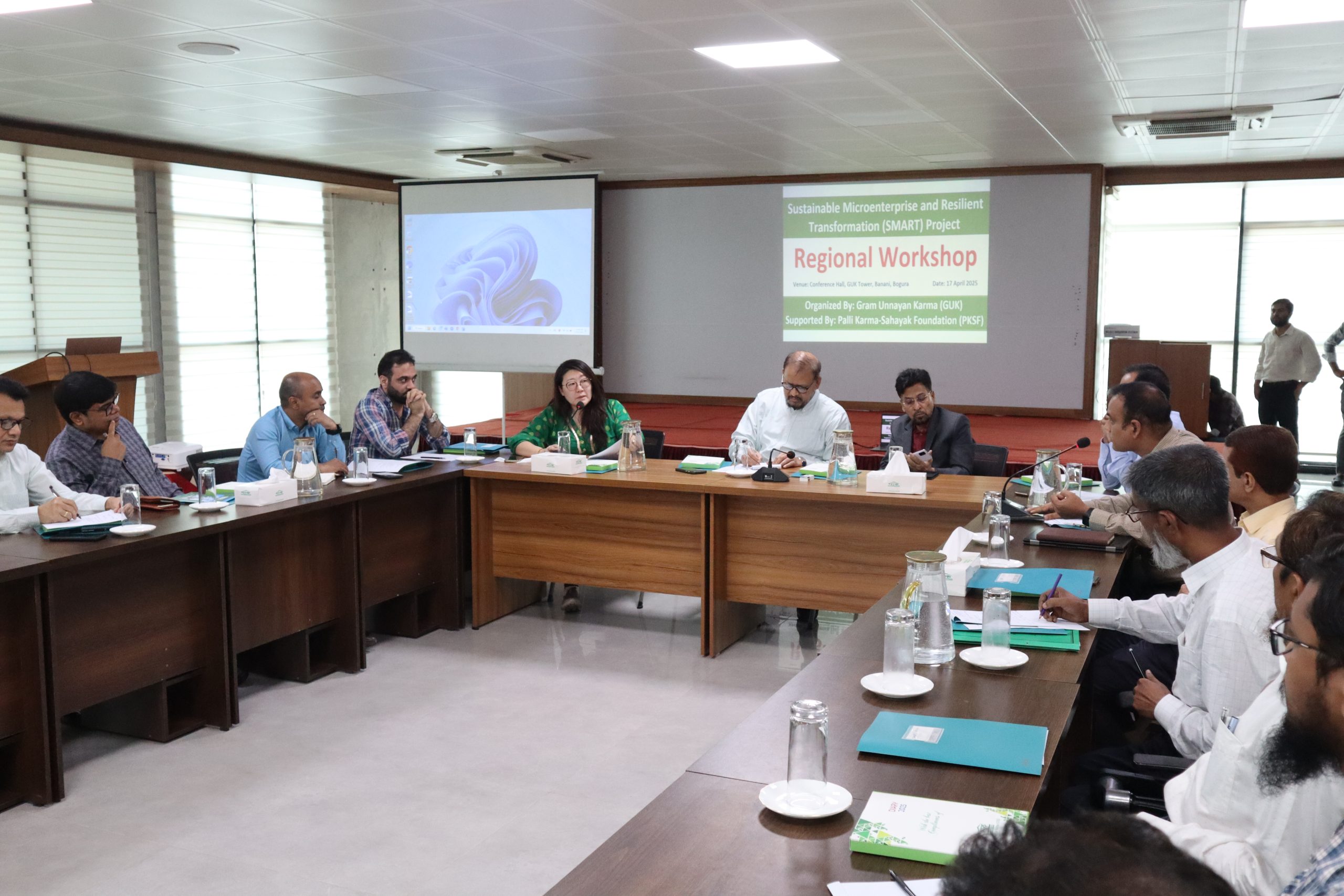
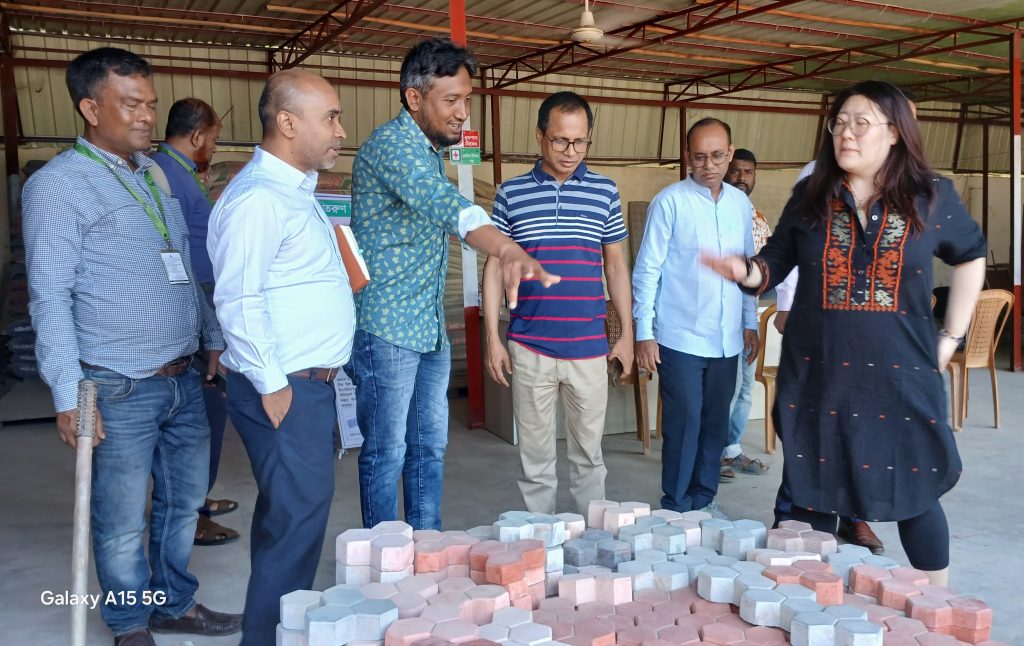
Other key attendees included PKSF Deputy Managing Director Md Mashiar Rahman, SMART Project Coordinator Gokul Chandra Biswas, and officials from both FID and PKSF. The mission commenced with a kick-off meeting chaired by Md Mashiar Rahman, who emphasized the SMART PMU’s dedication to implementing low-cost, energy-efficient technologies, particularly in wastewater management in the loom sector.
Throughout the mission, the World Bank team conducted an in-depth review of component-wise progress and visited multiple field-level interventions. From 13 to 17 April, they observed plastic recycling activities in Chattogram (implemented through YPSA), eco-friendly construction and eco-tourism initiatives in Thakurgaon and Panchagarh (via ESDO), automobile workshop interventions in Bogura (through TMSS), and machinery and equipment-related enterprises in Bogura (implemented by GUK).
A stakeholder workshop was also held at GUK’s headquarters in Bogura, bringing together regional stakeholders, micro-entrepreneurs, and relevant government officials.
The SMART project, jointly implemented by PKSF and the World Bank, aims to improve the environmental sustainability of 80,000 microenterprises across the manufacturing, agriculture, and service sectors in Bangladesh. By promoting energy-efficient technologies and cleaner production methods, the project is enhancing productivity, generating employment, empowering women, and contributing to inclusive economic growth.
Micro-entrepreneurs in Sirajganj, known for their expertise in producing Lungi and Gamcha, are now setting their sights on product diversification. They aspire to expand into quality garment production while adhering to environmental and waste management protocols, provided they receive the necessary financial and technical support.
This vision was expressed during a workshop organized under the Sustainable Microenterprise and Resilient Transformation (SMART) Project of PKSF at the National Development Programme (NDP) Head Office in Sirajganj. The event served as a platform for local micro-entrepreneurs to discuss the adoption of new technologies and resource-efficient, cleaner production methods.
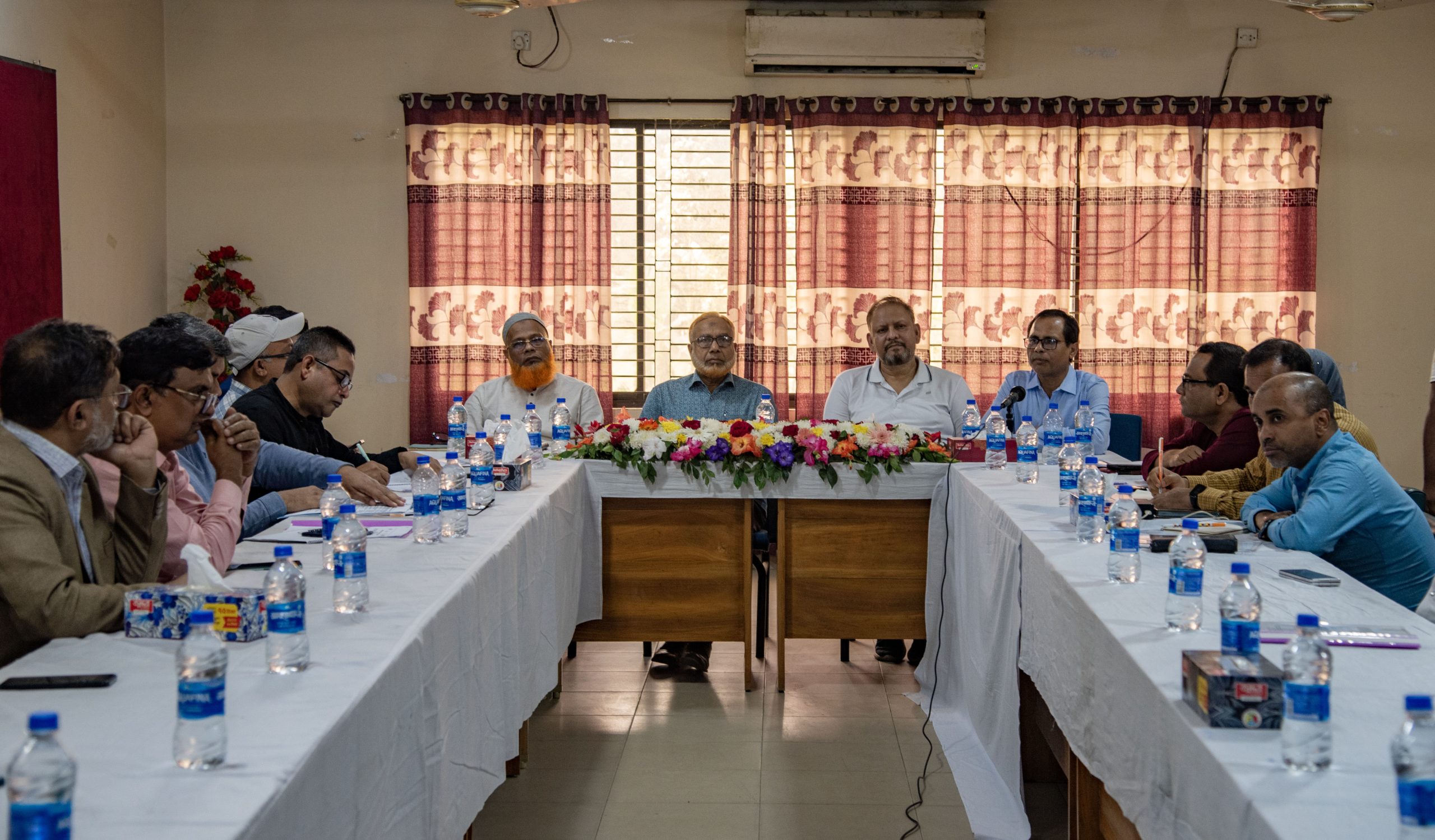
The workshop was graced by Md Mashiar Rahman, Deputy Managing Director of PKSF, as the Chief Guest, with Md Alauddin Khan, Executive Director of NDP, presiding over the session. Also in attendance were six micro-entrepreneurs, PKSF Panel Supervisors, and other stakeholders. The session commenced with a welcome speech by Gokul Chandra Biswas, Project Coordinator of the SMART Project.
In his concluding remarks, Md Mashiar Rahman emphasized the importance of efficient waste management in loom and dyeing factories. He highlighted the potential of solar power systems as an alternative energy source, stating, “Solar power can significantly reduce electricity consumption and serve as a viable alternative where transparent sheets cannot be used.” He also recommended conducting a study to assess the impact of poor waste management practices on the local community in loom and dyeing clusters.
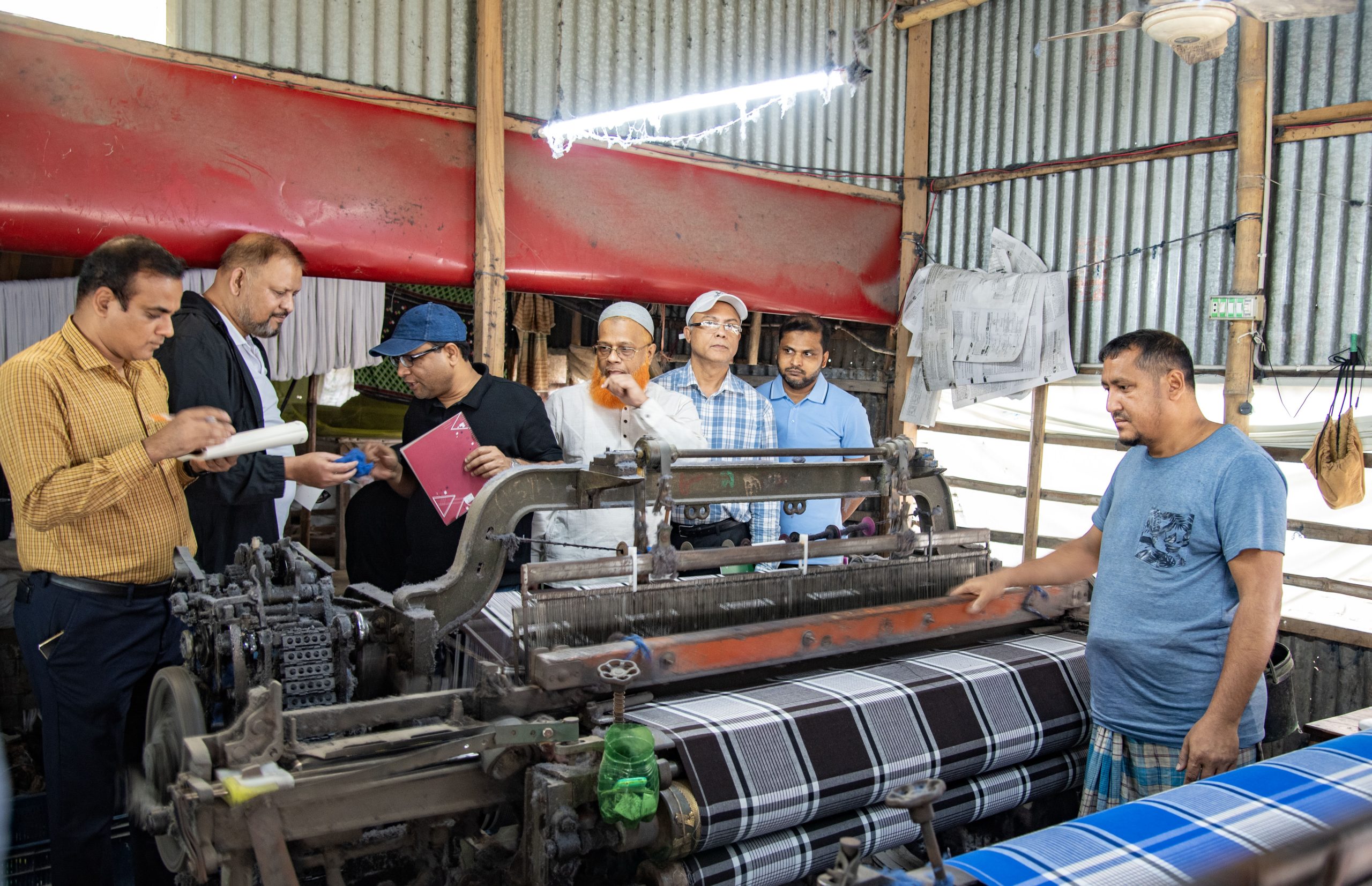
As part of the workshop, participants visited a mini Effluent Treatment Plant (ETP) at a dyeing factory in Tamai village, Belkuchi upazila, along with several loom factories in the business cluster. The visit provided insights into sustainable waste management solutions, reinforcing the commitment of micro-entrepreneurs to adopting environmentally responsible practices.