
RECP practices transformed Rubel’s vegetable farm from conventional to sustainable
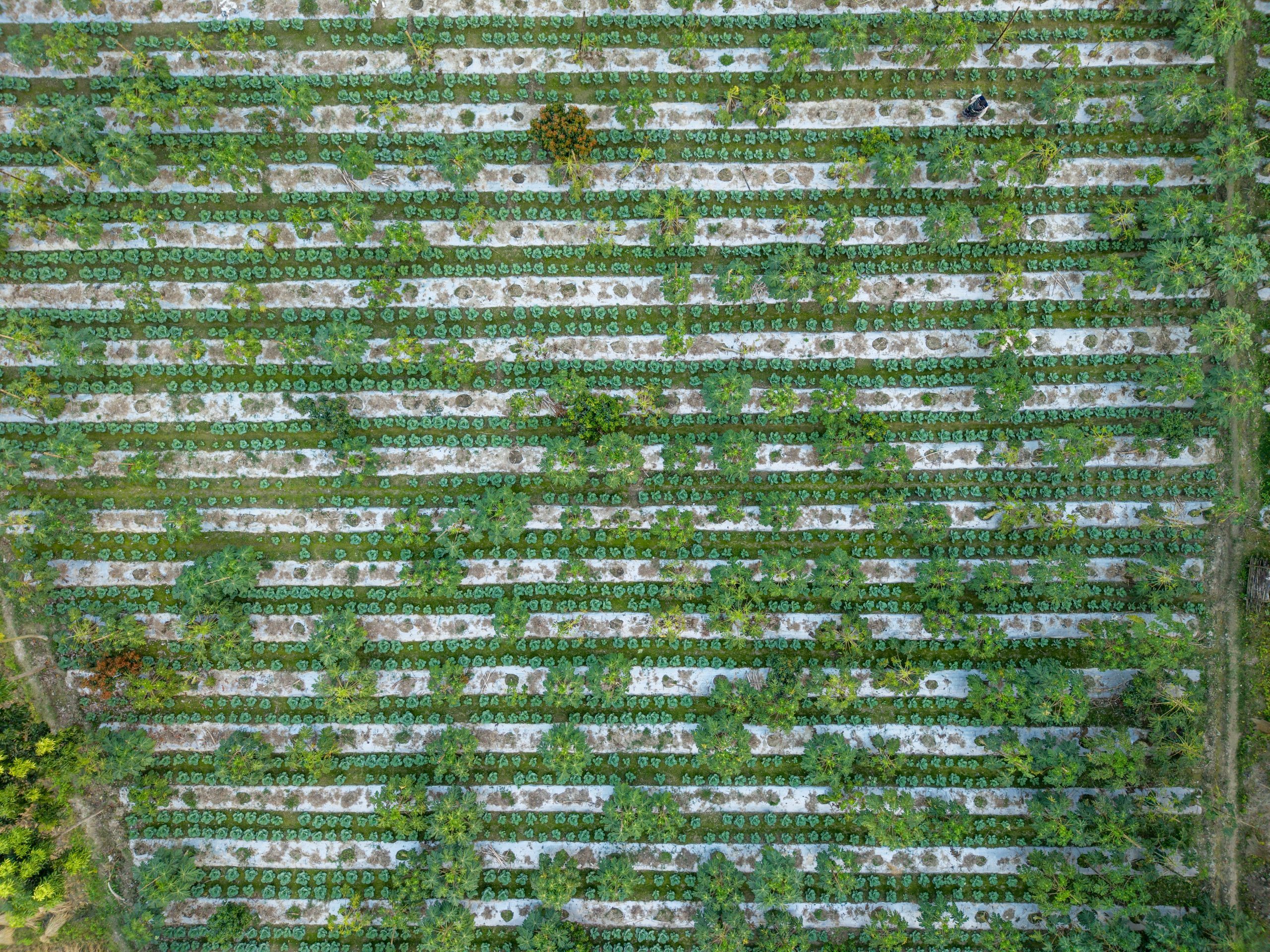
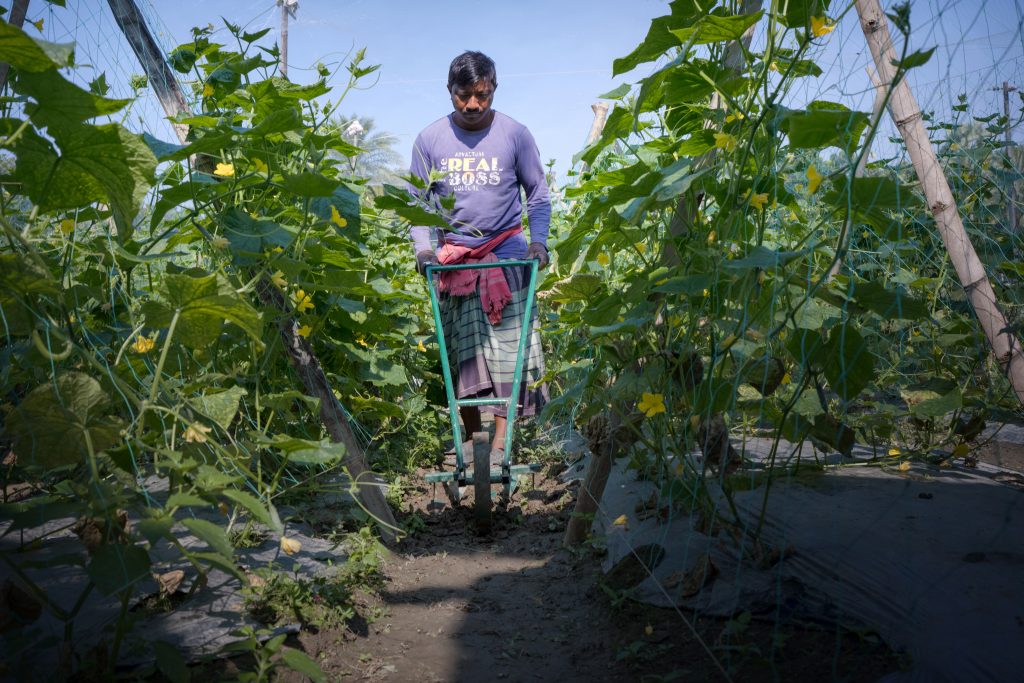
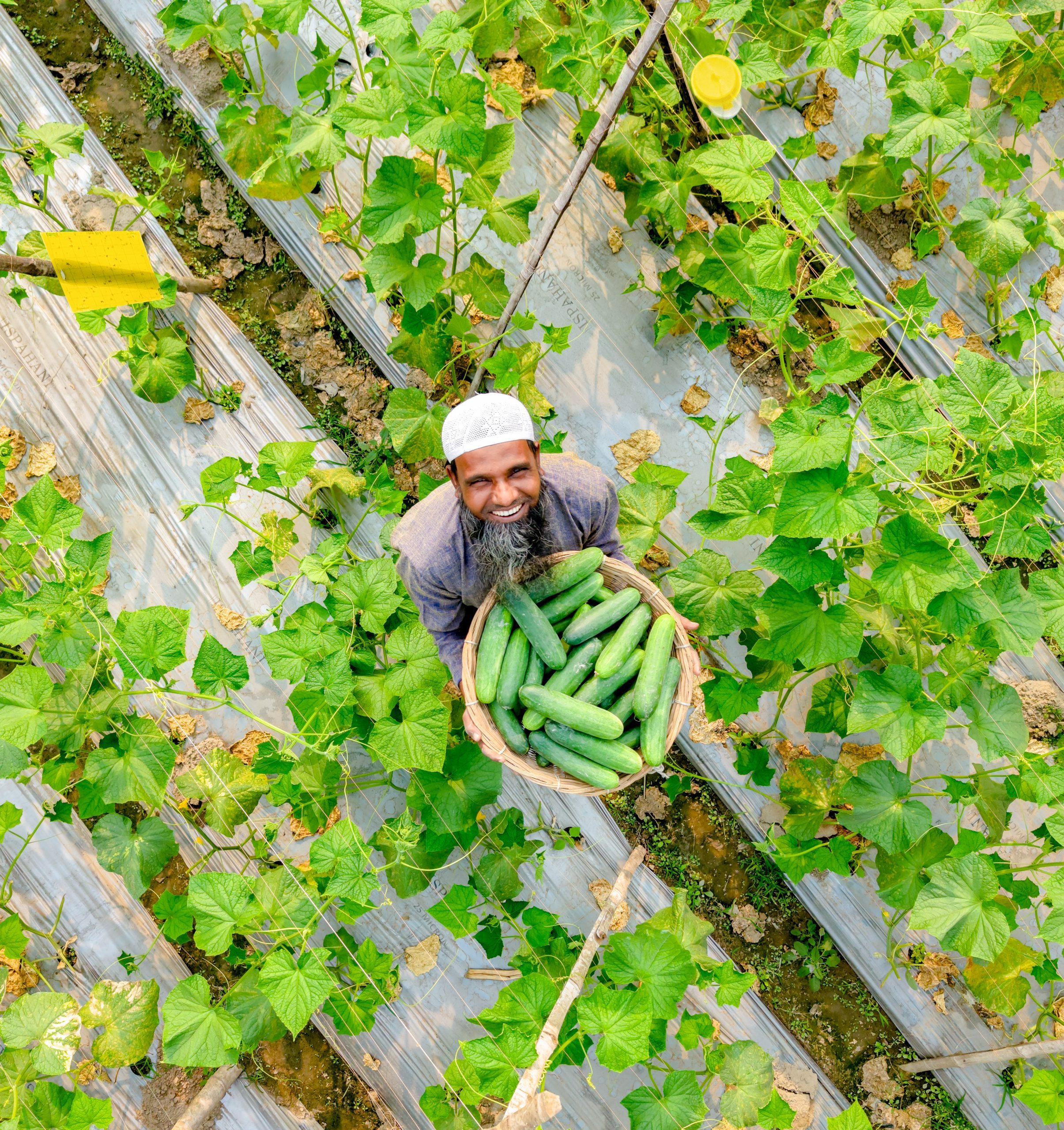
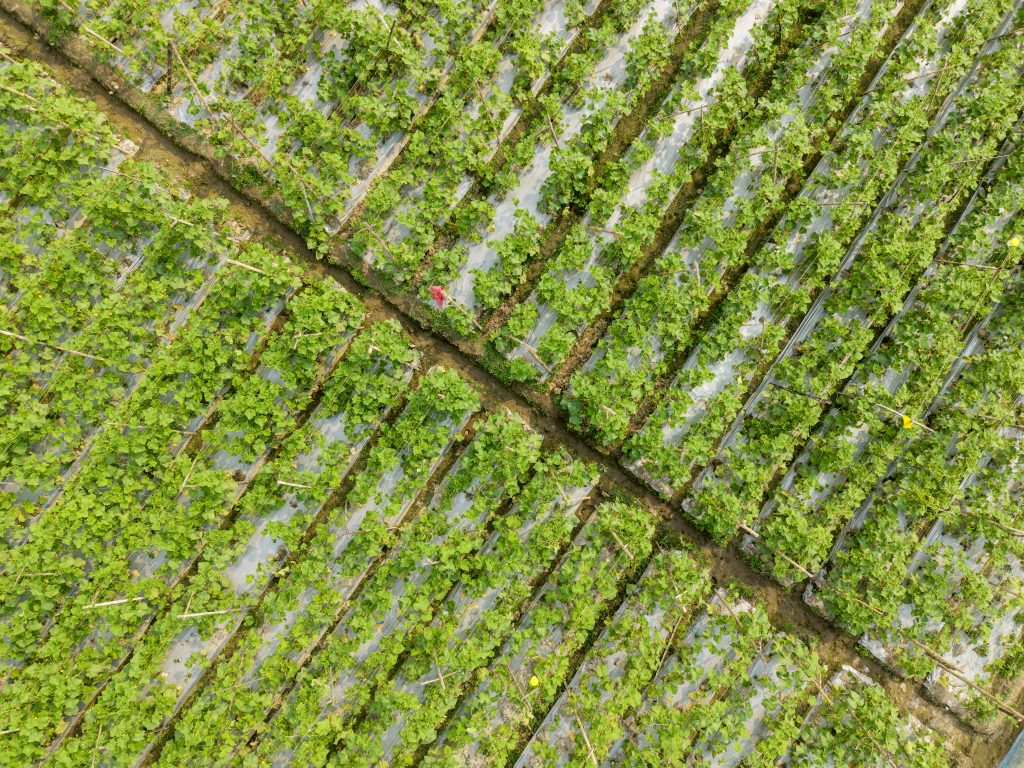
On a crisp morning in Mostafabad, Md Rubel Hosain walks through his 148-decimal vegetable farm with the quiet confidence of someone who has discovered a better way of doing things. The 37-year-old farmer, who supports a family of five, has become something of a local pioneer in sustainable agriculture.
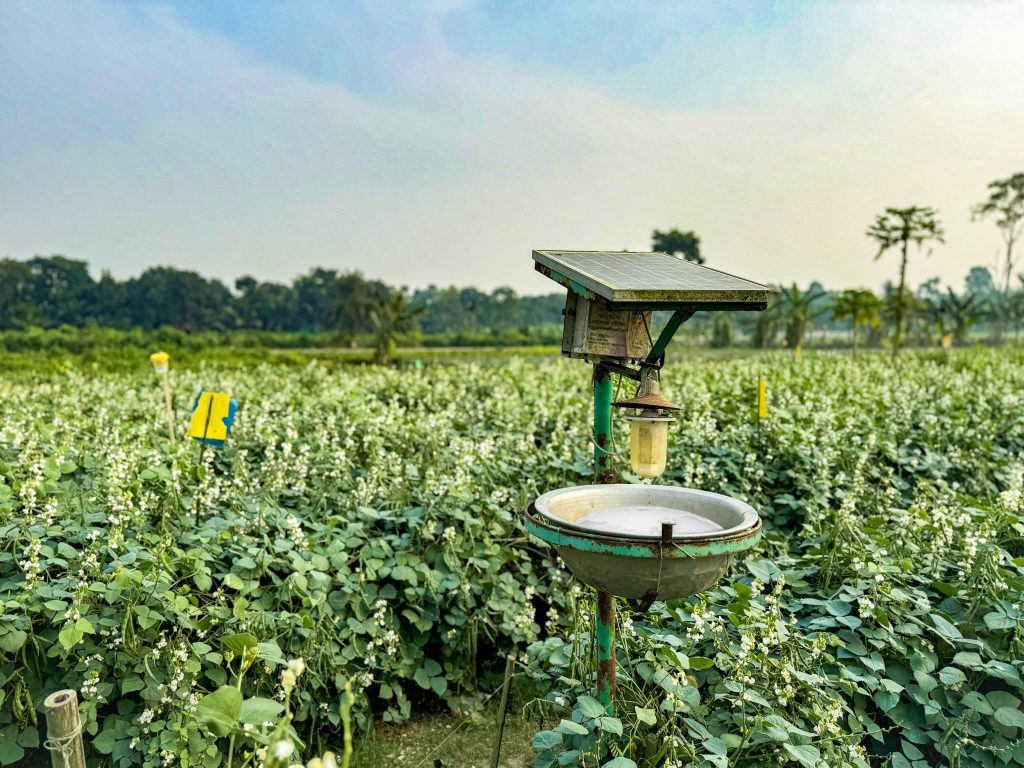
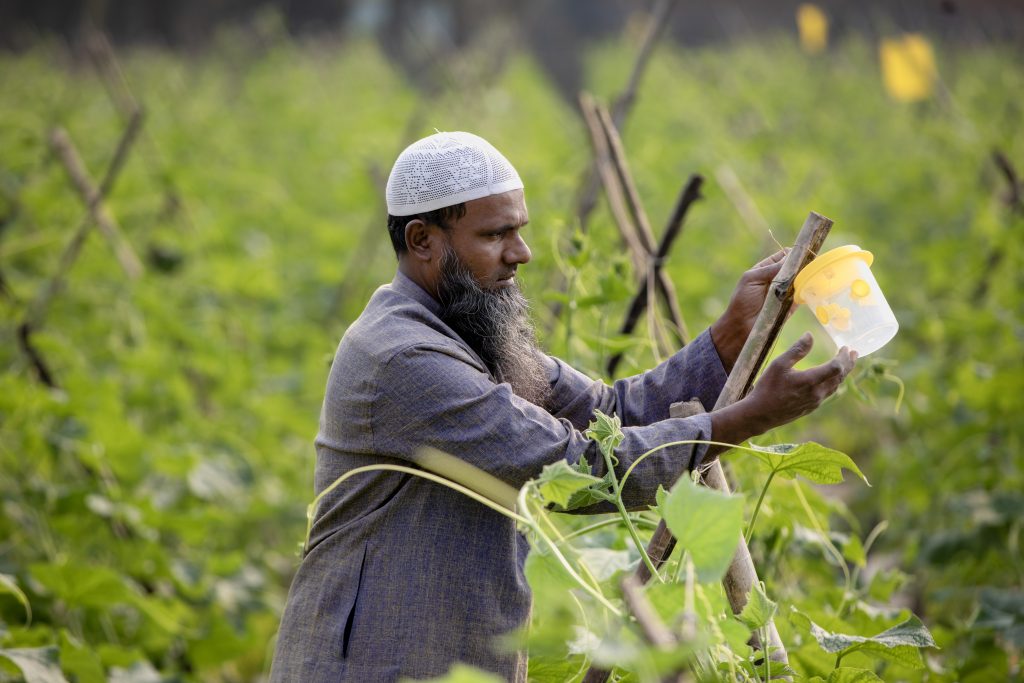
His journey toward Resource-Efficient and Cleaner Production (RECP) practices began with skepticism. “When GBK’s workers first told me about RECP, I wasn’t entirely convinced,” Rubel admits, standing beside rows of thriving tomatoes and eggplants. “But I decided to try mulching, pheromone traps, color traps, and organic fertilizers in my vegetable cultivation. The result? My production costs have decreased, profits have increased, and many people in the area have now started growing vegetables using mulching and organic methods.”
A shift in approach
Before embracing RECP practices, Rubel’s farm operated like most conventional vegetable enterprises in the region. Chemical fertilizers and pesticides were liberally applied, water flowed freely through traditional irrigation channels, and yields hovered around 8-10 tonnes per hectare. Net profits barely crossed BDT 60,000-70,000 per hectare per season. It was marginal but had to scope for expansion or investment.
The turning point came in July 2025, when Rubel secured a loan of BDT 100,000 through Gram Bikash Kendra (GBK) and began implementing RECP techniques. The changes were methodical: organic fertilizers replaced excessive chemical inputs, mulching conserved precious water, and color traps and pheromone traps managed pests without the use of harsh pesticides.
Measurable impact
The transformation was faster than Rubel expected. Within a single cropping season, the numbers told a compelling story. Water consumption dropped by 25-30%, while chemical fertilizer and pesticide use decreased by 20-35%. But efficiency was not the only gain – crop yields actually increased to 11-13 tonnes per hectare, and the vegetables’ improved quality commanded better market prices.
The financial impact was even more striking. Production costs fell by 15-20%, and net profits soared to approximately BDT 100,000-120,000 per hectare per season, which is a remarkable 40-60% increase compared to his baseline earnings.
“The soil health has improved significantly,” Rubel explains, gesturing toward his integrated farming setup where five cattle provide both milk for his family and organic manure for his fields. “The vegetables have fewer chemical residues, which consumers appreciate. And I’m spending less on inputs while earning more.”
Metric | Before RECP (Baseline) | After RECP Adoption |
Average Yield | 8–10 tons per hectare | 11–13 tons per hectare |
Water Usage | High conventional use | Reduced by 25–30% |
Chemical Use | High reliance | Reduced by 20–35% |
Net Profit | BDT 60,000–70,000 | BDT 100,000–120,000 |
Looking ahead
Rubel’s influence extends beyond his own farm boundaries. His success with RECP practices has sparked interest throughout Mostafabad and surrounding areas, with neighboring farmers beginning to adopt similar methods.
His aspirations have grown alongside his profits. He envisions expanding his cultivated area, diversifying into off-season and value-added vegetables, and adopting digital platforms for better market information and input sourcing. His wish list includes improved irrigation systems like drip or sprinkler technology and post-harvest facilities for grading, sorting, and packaging.
“I want to strengthen my market linkages further,” he says, “and explore certification and branding for RECP-grown vegetables. There’s so much potential.”
As the morning sun climbs higher, Rubel surveys his thriving farm – a patchwork of green vitality where sustainability and profitability have proven to be partners rather than competitors. His story offers a template for other smallholder farmers in Bangladesh: that environmental responsibility and economic success can flourish together.